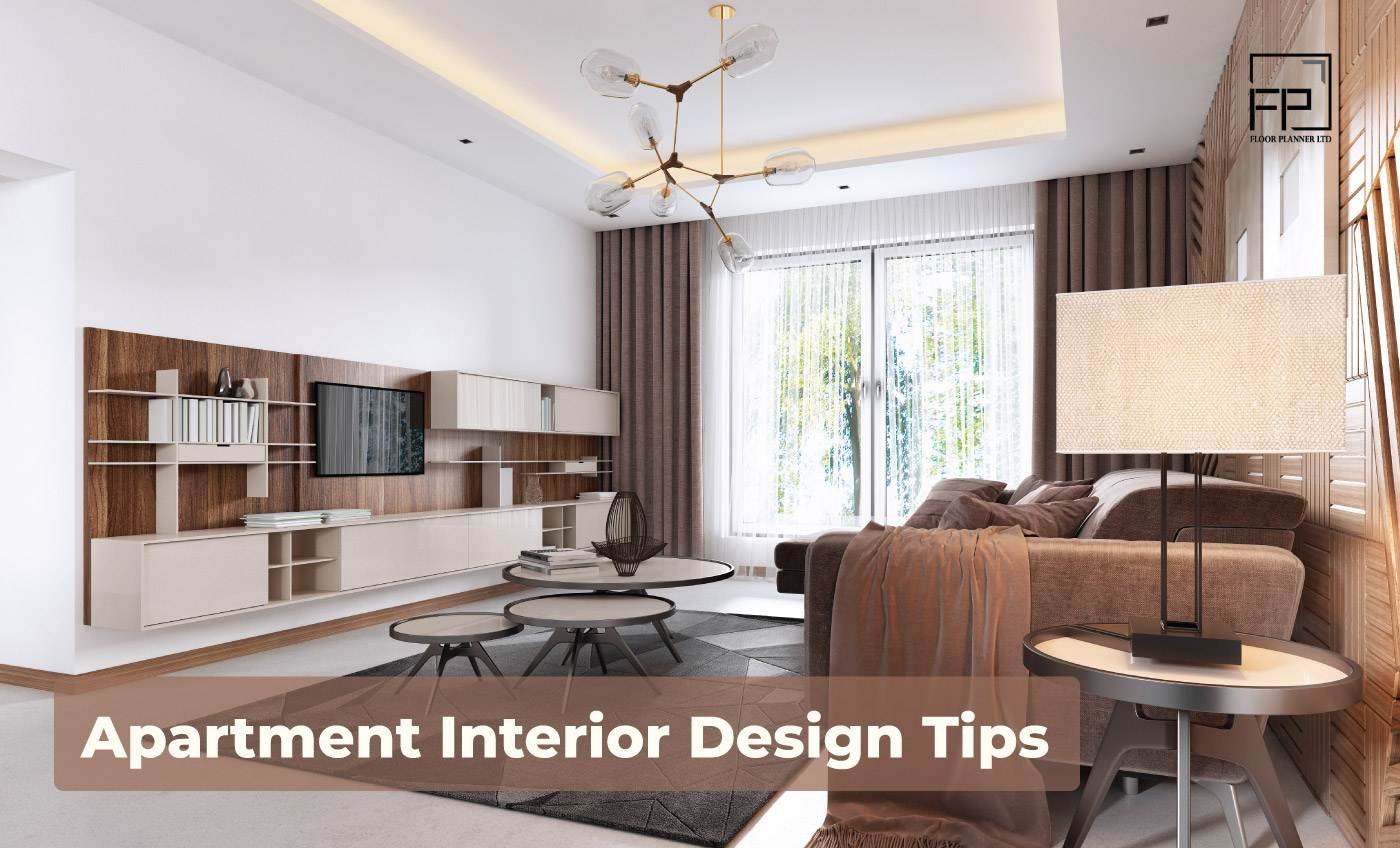
Living in a small apartment doesn’t mean sacrificing style, comfort, or functionality. In fact, designing a small space is one of the most creatively rewarding challenges I’ve ever tackled. I used to think small spaces meant small dreams, until I discovered the magic of smart design.
With the right layout, furniture, and a touch of style, even the tiniest apartment can feel like a dreamy, spacious retreat. Let’s dive into my favorite tried-and-true tips for making the most of every inch and turning your compact space into a home you absolutely love.
Start with a Smart Layout
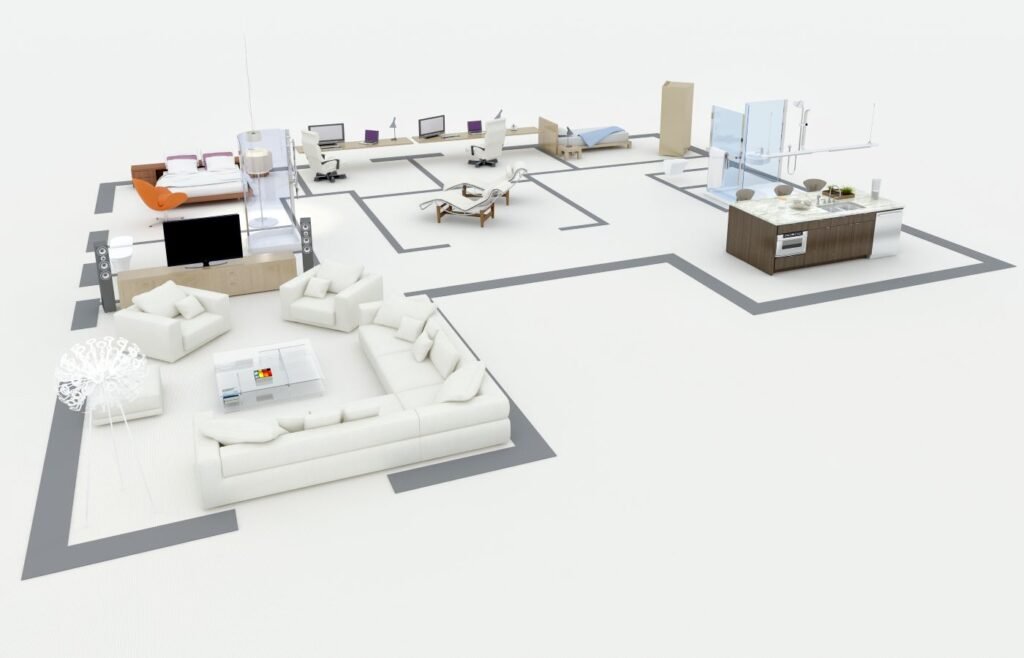
Before you pick out your sofa or decide where the bed should go, take a beat. One of the most overlooked aspects of a well-designed small apartment is the layout, and I don’t just mean where you put the furniture.
I’m talking about the flow, the function, and how well the space supports your everyday life.
- Understand Your Daily Flow: Think about your routines. Do you work from home? Host friends for dinner? Need a quiet nook for reading or meditating? Your answers should guide your layout. Identify traffic patterns to avoid cramming walkways or blocking windows.
- Create Zones: Even in a studio apartment, you can create distinct zones for living, sleeping, working, and dining. Use area rugs to define spaces, bookcases as dividers, or even different lighting to signal a change in function.
- Floating Furniture for Function: Don’t be afraid to float your furniture. A strategically placed sofa can help divide a living and dining space. Try angling pieces or using open-backed furniture so that everything feels connected but still defined.
- Scale Matters: Choose furniture that matches your space. Avoid oversized sectionals or massive coffee tables. Look for compact pieces that maintain visual openness.
Choose Multi-Functional Furniture
When square footage is limited, your furniture needs to multitask. Every item you bring into your home should offer more than one function or serve a practical purpose.
- Beds with Storage: Platform beds with built-in drawers or lift-up mattresses are lifesavers. They offer storage for bedding, off-season clothes, or random items you don’t need daily.
- Convertible Sofas: Whether it’s a pull-out bed for guests or a sectional that includes hidden storage, a well-chosen sofa can make a massive difference.
- Dining Table + Work Desk Combo: A slim dining table can double as your home office. Choose one with leaves or extensions if you entertain occasionally.
- Stacking and Nesting Options: Stackable chairs, nesting coffee tables, and foldable stools are perfect for when you need to expand your space temporarily.
- Custom Built-Ins: If you can invest in custom carpentry, consider a wall unit that includes a bed, shelves, and a fold-out desk. These tailored solutions maximize every corner.
Keep The Color Palette Light and Airy
Color has a huge psychological effect on how a space feels. In smaller homes, your color palette can either make your apartment feel cramped and cluttered or open and inviting.
- Stick with Light Neutrals: Whites, creams, pale greys, and light beiges reflect light and expand the space visually. They’re timeless and create a calm, airy feel.
- Use Accent Colors Thoughtfully: Introduce color through smaller decor pieces like cushions, throws, vases, or a feature wall. This adds personality without overwhelming the space.
- Tone-on-Tone Magic: Painting walls, ceilings, and trim the same or similar color creates continuity, making ceilings appear higher and rooms larger.
- Add Texture Over Color: Use texture to keep your space visually interesting. Think linen curtains, a jute rug, a boucle chair—these create warmth without the need for bold colors.
Play with Lighting for Depth
Lighting can dramatically transform the atmosphere and perceived size of your apartment. The goal is to layer lighting and emphasize openness.
- Maximize Natural Light: Keep windows clear of heavy drapes. Use light-filtering curtains or roman shades. Avoid placing bulky furniture in front of windows.
- Layered Lighting Approach: Think ambient (overhead), task (desk and kitchen lights), and accent (sconces, string lights, LED strips). This layered effect adds dimension.
- Statement Fixtures: A unique ceiling light or floor lamp can become a design focal point and elevate the entire space.
- Mirrors and Reflective Surfaces: Position mirrors across from windows to bounce light. Use glossy finishes on furniture, metallics in decor, or even glass elements to enhance brightness.
Use Vertical Space Like a Pro
Vertical space is your best friend in small apartments. When you run out of floor space, start looking up.
- Tall Shelving Units: Go for bookcases that stretch to the ceiling. These draw the eye upward and provide ample storage without a bulky footprint.
- Wall-Mounted Storage: Install floating shelves, pegboards, or hanging systems in kitchens, bathrooms, and bedrooms. Use wall-mounted nightstands or desks to keep floors clear.
- Hooks, Rails, and Pegs: In the entryway, install hooks for coats and bags. In the kitchen, use wall rails for utensils or pans. Even behind-the-door hooks help utilize dead zones.
- High Curtains: Hang curtains just below the ceiling to make windows feel taller and rooms airier.
Declutter and Curate
Let’s be honest: in small apartments, clutter isn’t just an eyesore, it’s a space killer. Streamlining what you own and how you store it is crucial.
- Purge Regularly: If you haven’t used it in six months and it doesn’t bring you joy, donate or recycle it. Be ruthless with duplicates, expired items, or unused gadgets.
- Storage Within Storage: Use drawer organizers, storage baskets inside cabinets, and under-bed boxes. Invest in furniture with hidden compartments.
- Edit Your Decor: Don’t overcrowd surfaces. A few well-chosen pieces tell a better story than a cluttered display. Rotate decor seasonally to keep things fresh.
Add Personality Without Overcrowding
It’s easy to fall into the trap of stripping your space down too far. A home should still feel like you.
- Choose a Statement Piece: Whether it’s a bold artwork, a vintage rug, or a uniquely shaped chair, let one item shine and build the rest of the room around it.
- Soft Layers: Texture can be as powerful as color. Think velvet pillows, chunky knit throws, shaggy rugs, or breezy linens.
- Greenery Adds Life: Even one or two plants can freshen up a room. Opt for hanging planters or vertical gardens if you’re short on floor space.
- Personal Touches: Frame photos, display travel souvenirs, or showcase your hobbies. Just keep it curated and intentional.
Room-Specific Design Ideas
Living Room
- Choose low-profile seating to keep sight lines open.
- Use an ottoman instead of a coffee table for comfort and storage.
- Mount the TV and use floating media shelves.
Kitchen
- Maximize vertical storage with shelves, hanging racks, and magnetic strips.
- Use cabinet doors for added storage with adhesive hooks or mounted racks.
- Choose compact appliances where possible.
Bedroom
- Mount lighting to walls to free up nightstand space.
- Use headboards with built-in shelves.
- Add storage benches or trunks at the foot of the bed.
Bathroom
- Use mirrored medicine cabinets for dual function.
- Install slim open shelves above toilets or in corners.
- Use rolling carts or under-sink organizers to streamline products.
Final Thoughts: Embrace the Charm of Small Living
Here’s the truth: small spaces require big thinking. But they also offer something truly special. They challenge you to be intentional, to choose quality over quantity, and to live more simply but beautifully.
Every square foot can be beautiful. Every corner can be useful. And every detail can tell your story. Embrace the process, and fall in love with your space—no matter how small.
Have your own space-saving secrets or small apartment wins? Share them in the comments or tag me in your photos—I’m always looking for new inspiration from real homes just like yours.
FAQs
How can I make a small apartment feel bigger?
Use light colors, mirrors, and multi-functional furniture to create a sense of openness.
What color scheme works best in small spaces?
Light, neutral tones like white, beige, and soft grey help reflect light and make rooms feel larger.
What furniture is best for small apartments?
Choose space-saving, multi-functional pieces like storage beds, fold-out desks, and nesting tables.
How do I divide a studio apartment into zones?
Use rugs, lighting, furniture placement, or open shelving to define living, dining, and sleeping areas.
Can I use bold decor in a small apartment?
Yes! Just keep it minimal—use one or two statement pieces to avoid overwhelming the space.
How should I light a small apartment?
Layer your lighting with ceiling fixtures, task lamps, and wall lights. Maximize natural light where possible.
What are some smart storage ideas for tiny apartments?
Use under-bed bins, wall-mounted shelves, over-the-door organizers, and furniture with hidden storage.
How do I decorate without making my apartment feel cluttered?
Keep decor minimal and meaningful. Focus on a few standout pieces and store the rest.
Where should I place my furniture in a small room?
Float furniture strategically to improve flow and avoid blocking windows or pathways.
How can I make my apartment feel cozy but not cramped?
Layer textures, use warm lighting, and add personal touches, just don’t overfill the space.