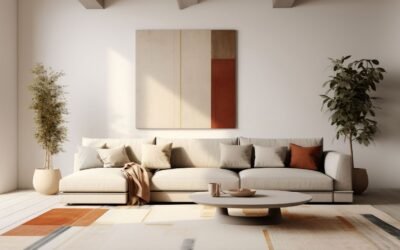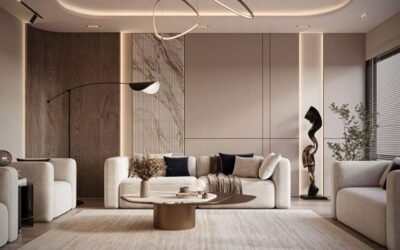

There’s something magical about walking into a beautifully designed home, the soft lighting, the calm colors, the way everything feels just right. It instantly lifts your mood and reminds you why your home is more than just walls and furniture, it’s your sanctuary.
Over the past few years, our homes have taken on new meaning. They’ve become our workplaces, gyms, and safe spaces, a reflection of who we are and how we want to live.
That’s why investing in thoughtful design isn’t about luxury anymore; it’s about wellbeing. The right design choices can inspire calm, boost productivity, and make every day a little brighter.
In this complete guide, I’ll walk you through the essentials of residential interior design, from timeless principles and room-by-room ideas to the latest 2025 trends and sustainable design tips.
Whether you’re refreshing a cozy apartment or creating your dream home from scratch, this guide will help you design a space that feels both beautiful and beautifully yours.
What Is Residential Interior Design?
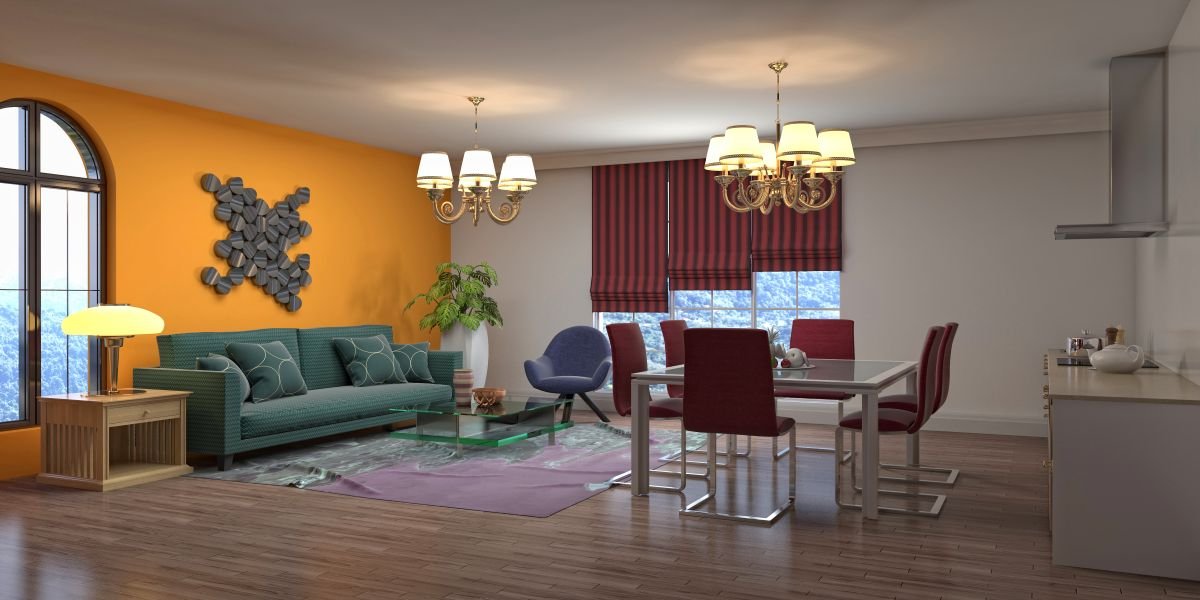
Residential interior design is the art and science of turning a house into a home, a space that feels beautiful, functional, and truly yours. It’s more than picking furniture or colors; it’s about creating harmony between layout, light, and lifestyle so every corner supports how you live.
When I start a project, I imagine how sunlight moves through the rooms, how families gather, and how textures and tones shape daily moments. That’s the heart of residential design, making spaces feel alive and deeply personal.
Why It Matters
A well-designed home improves how you live, work, and feel every day.
Comfort & Wellbeing: Soft textures, warm lighting, and calm colors ease stress and lift your mood.
Functionality: Smart layouts make life smoother and spaces more useful.
Productivity: Thoughtful design fuels focus and creativity, especially at home.
Sustainability: Natural light and eco-friendly materials reduce energy use and waste.
Value: Timeless, cohesive design always adds lasting worth.
At Floor Planner Limited, we believe great design isn’t a luxury, it’s a lifestyle that makes every moment at home more meaningful.
Popular Design Styles and Their Characteristics
Every home tells a story, and design style is the language it speaks. Some homes whisper elegance, others radiate calm minimalism or joyful color. The beauty of residential interior design is that there’s no single “right” style; it’s about finding the one that reflects you.
Let’s explore some of the most popular interior design styles and what makes each unique, and remember, you can always blend elements from different styles to create your own signature look.
Contemporary and Modern
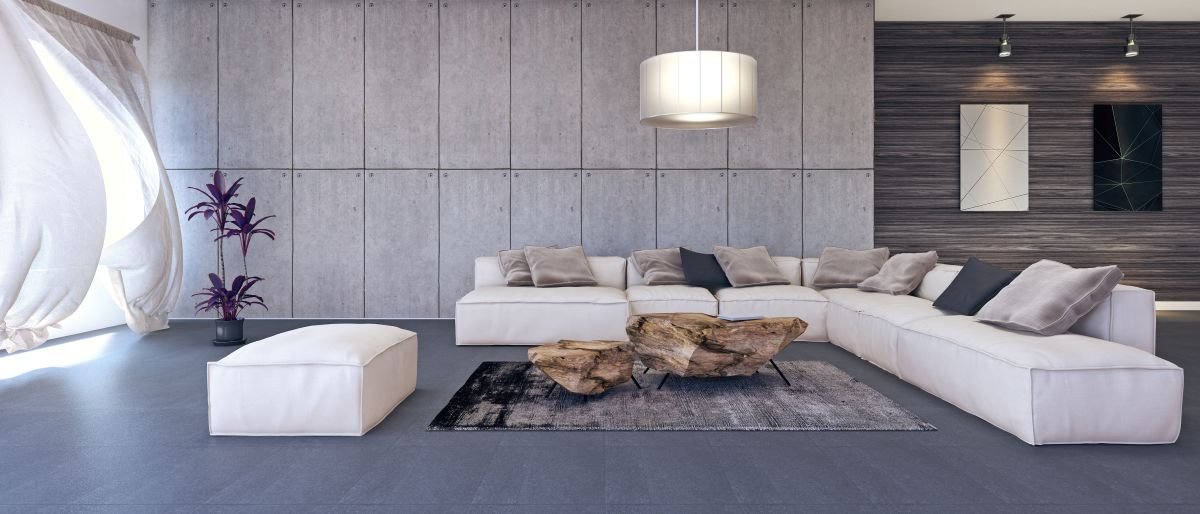
Modern Design
Rooted in the early 20th century, modern design draws inspiration from the Bauhaus and Scandinavian movements. Think clean lines, open spaces, and a “less is more” philosophy.
Modern interiors often feature natural materials like wood, leather, and linen, paired with neutral tones, whites, grays, and warm woods. Every piece serves a purpose, and decoration feels effortless rather than ornamental.
If you want to see how this looks in real apartments, exploring some modern living space examples can help you get a clearer visual direction.
Contemporary Design
Contemporary design, often mistaken for modern, is actually of the moment. It evolves with time, blending modern simplicity with current trends, soft curves, bold contrasts, and eco-friendly materials.
You’ll find sleek furniture, open layouts, and plenty of natural light, balanced with personal touches that keep it warm and inviting.
Minimalist Design
Minimalism takes modern principles to the next level. It celebrates simplicity through clean lines, uncluttered spaces, and a neutral palette. The focus is on functionality and calmness, fewer things, more meaning.
A minimalist home feels airy, peaceful, and refreshingly clear, perfect for anyone who values serenity and balance.
Traditional and Transitional
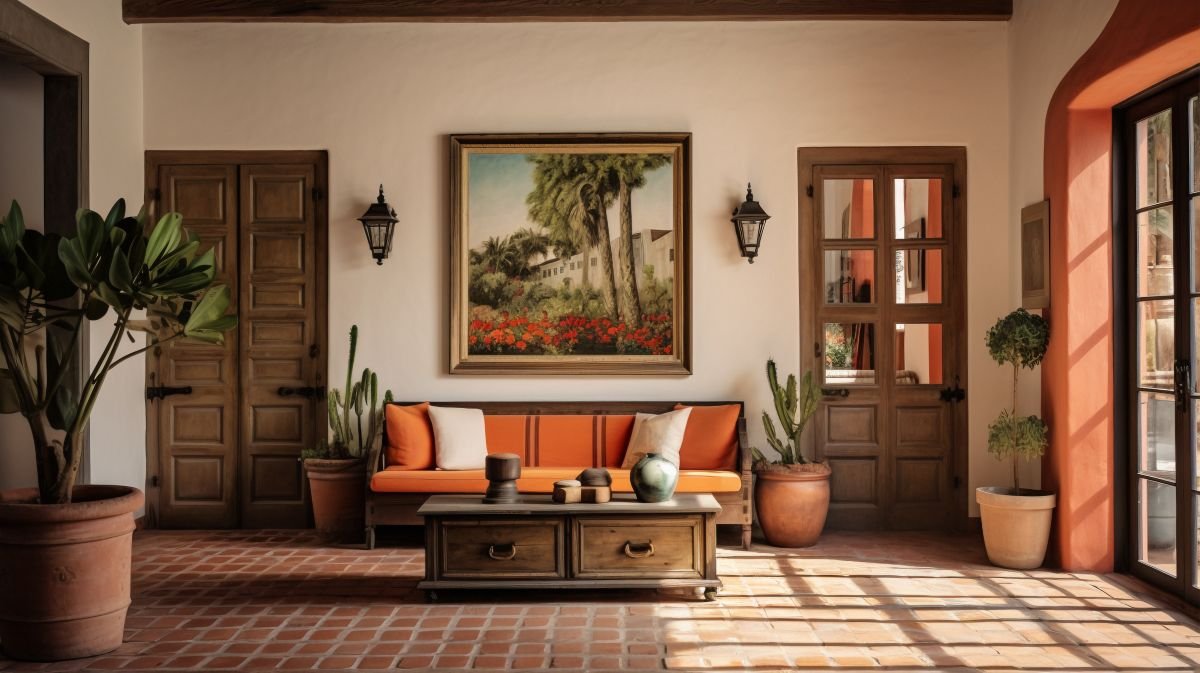
Traditional Design
Timeless, elegant, and comforting, traditional interiors are inspired by 18th and 19th-century European homes. Picture rich wood furniture, classic patterns, soft fabrics, and architectural details like crown moulding or wainscoting.
It’s a look that feels layered, warm, and familiar, a nod to heritage and craftsmanship.
If you love the sophistication of traditional design but crave a more modern edge, transitional might be your perfect match. It blends old and new, pairing classic furniture with modern finishes, neutral tones with sleek lines.
The result is a balanced, welcoming space that feels stylish yet timeless.
Scandinavian and Nordic
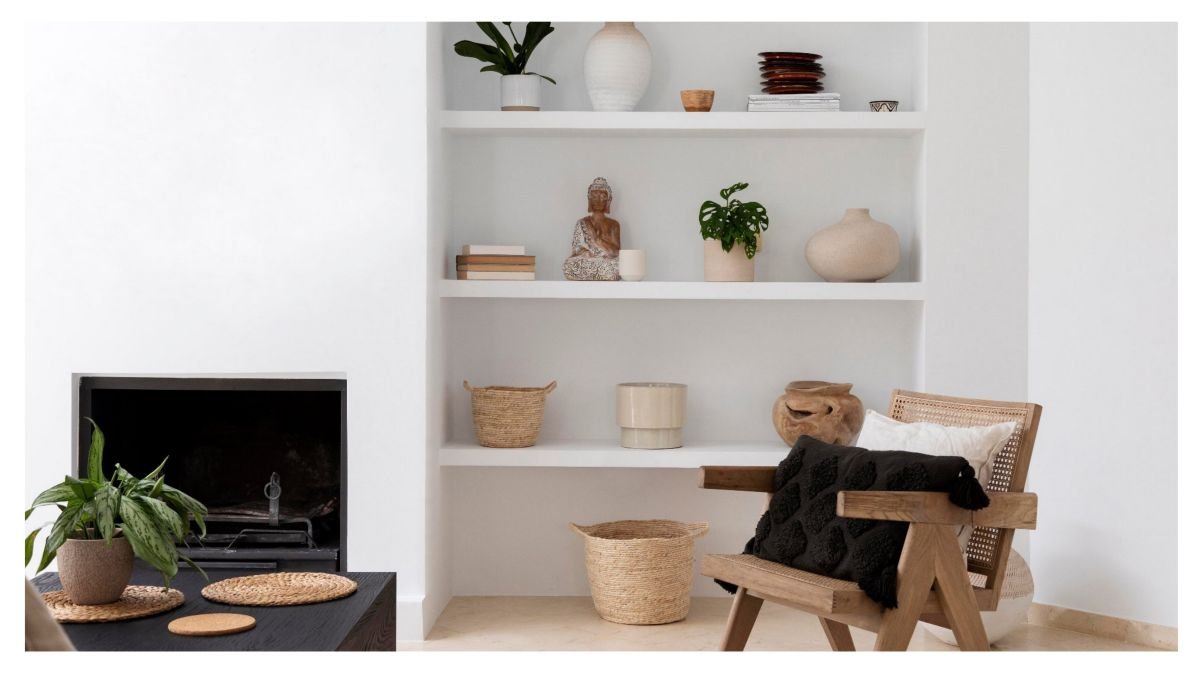
Light, calm, and effortlessly beautiful, Scandinavian design captures the essence of functional beauty. White walls, wooden floors, and minimal clutter create an atmosphere of openness and peace.
It’s all about comfort and simplicity, enhanced by warm textures like wool throws, natural wood, and soft lighting.
At the heart of this style lies the Danish concept of hygge, a sense of coziness and contentment. Nordic variations may introduce richer colors, rustic details, or hand-crafted elements, but they always stay grounded in nature and comfort.
Bohemian (Boho)
Bohemian style celebrates freedom, creativity, and individuality. It’s eclectic, layered, and full of life — a delightful mix of colors, textures, and patterns. Think vintage furniture, woven rugs, macramé wall hangings, and treasures from travels around the world.
Warm earthy tones meet jewel colors like emerald, amber, and turquoise, often paired with metallics or brass accents. Boho spaces feel relaxed and soulful — perfect for dreamers and free spirits who want their homes to tell their story.
Industrial and Urban Loft
Industrial design finds beauty in rawness. Inspired by converted warehouses and city lofts, it showcases exposed brick walls, concrete floors, metal beams, and reclaimed wood. The palette is often muted — grays, blacks, browns — balanced with statement lighting and oversized artwork.
To soften the look, designers often add cozy textiles, indoor plants, or warm lighting. The result is edgy yet livable — a perfect blend of urban grit and modern sophistication.
Coastal, Biophilic, and Nature-Inspired
Coastal Design
Inspired by breezy California homes and seaside living, this style brings the outdoors in. Think neutral bases, soft blues and greens, and natural materials like rattan, jute, and linen. The vibe is relaxed, fresh, and full of sunlight, like summer, all year long.
Biophilic Design
Biophilic design is all about reconnecting with nature. It uses greenery, natural textures, daylight, and eco-friendly materials to create spaces that promote wellbeing and sustainability.
Living walls, large windows, and earthy tones help blur the boundary between indoors and outdoors, a must for anyone craving calm in a busy city.
Other Notable Styles
Here are a few more timeless and trending styles worth exploring:
Mid-Century Modern: Sleek lines, organic shapes, and retro charm from the 1950s and ’60s.
Farmhouse: Cozy, rustic charm with shiplap walls, distressed wood, and soft neutrals.
Rustic: Raw materials, stone textures, and earthy tones that evoke countryside comfort.
Art Deco: Glamorous geometry, metallic accents, and bold colors for a touch of vintage luxury.
Maximalist: A joyful explosion of pattern, color, and personality, “more is more.”
Luxury / Glam: Polished surfaces, plush fabrics, and statement lighting for an opulent, hotel-like feel.
Room-by-Room Design Breakdown
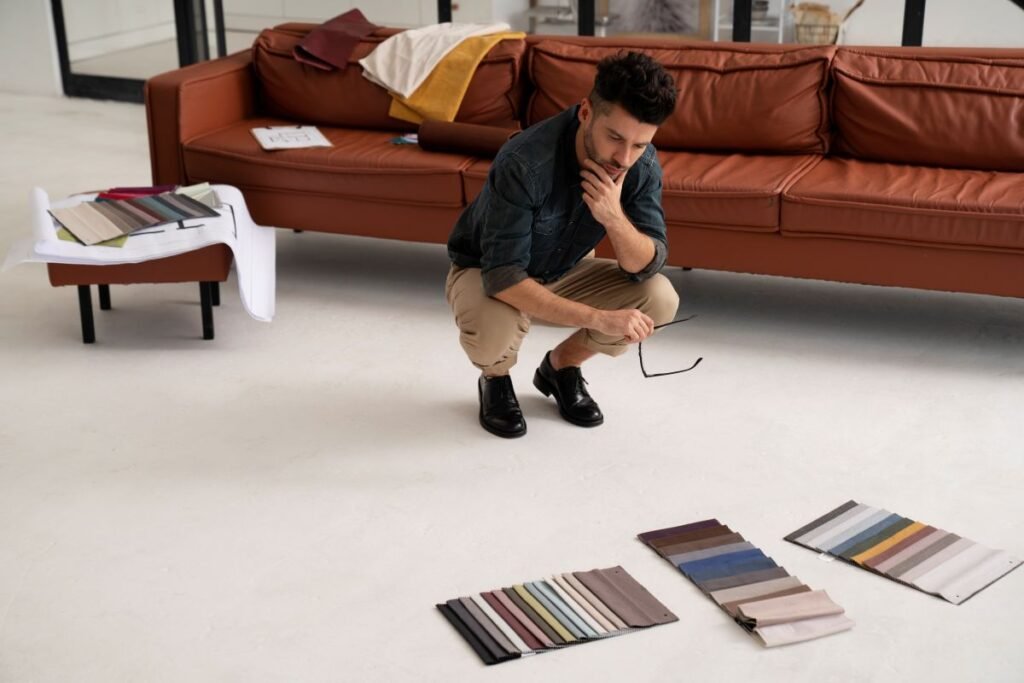
Designing a home isn’t just about choosing a style it’s about bringing that style to life, one room at a time. Each space has its own purpose and personality, and when designed thoughtfully, they flow together to create a home that feels harmonious and complete.
Here’s how to approach every room with comfort, beauty, and balance in mind.
Living Room – The Heart of the Home
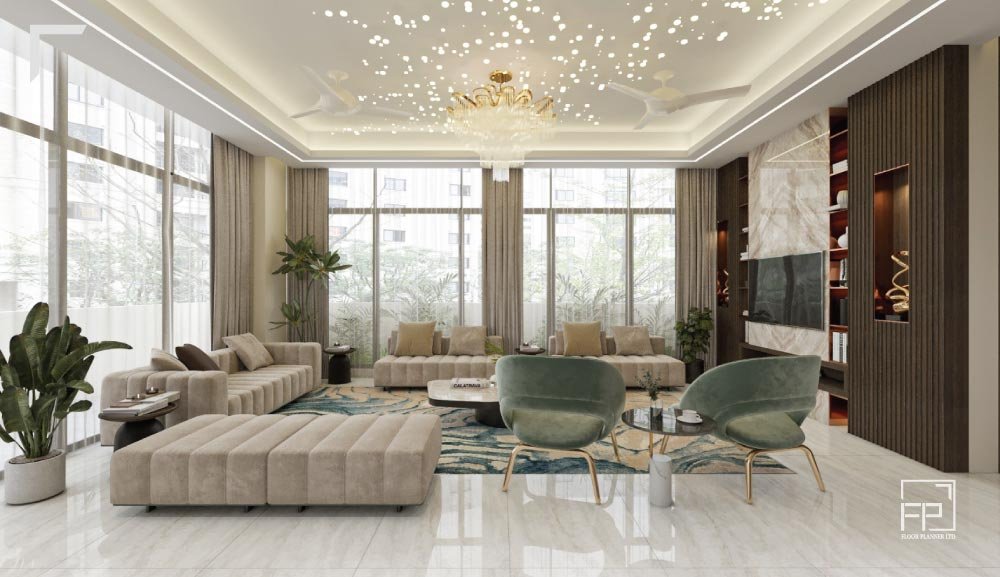
The living room is where life happens, where you relax after work, host guests, and make memories.
Layout & Flow:
Start with the layout. Arrange furniture in a way that encourages conversation and easy movement. If the room is large, create smaller zones — a cozy reading corner or a coffee nook, to make the space feel inviting. For more layout inspiration, explore our living room design ideas to discover creative ways to make your space both stylish and functional.
Furniture & Textiles:
Choose sofas and chairs that fit the room’s proportions. Layer with soft throws, patterned cushions, and area rugs to add warmth and texture. A statement coffee table can serve as both functional and aesthetic center.
Lighting:
Combine three layers of lighting, ambient (ceiling lights), task (floor or reading lamps), and accent (spotlights or decorative fixtures). Dimmer switches help set the mood from bright and lively to soft and relaxing.
Décor:
Bring personality into your living room through art, plants, mirrors, and accent walls. Display meaningful items, travel souvenirs, books, or family photos, for a touch of authenticity.
Bedroom – A Sanctuary for Rest
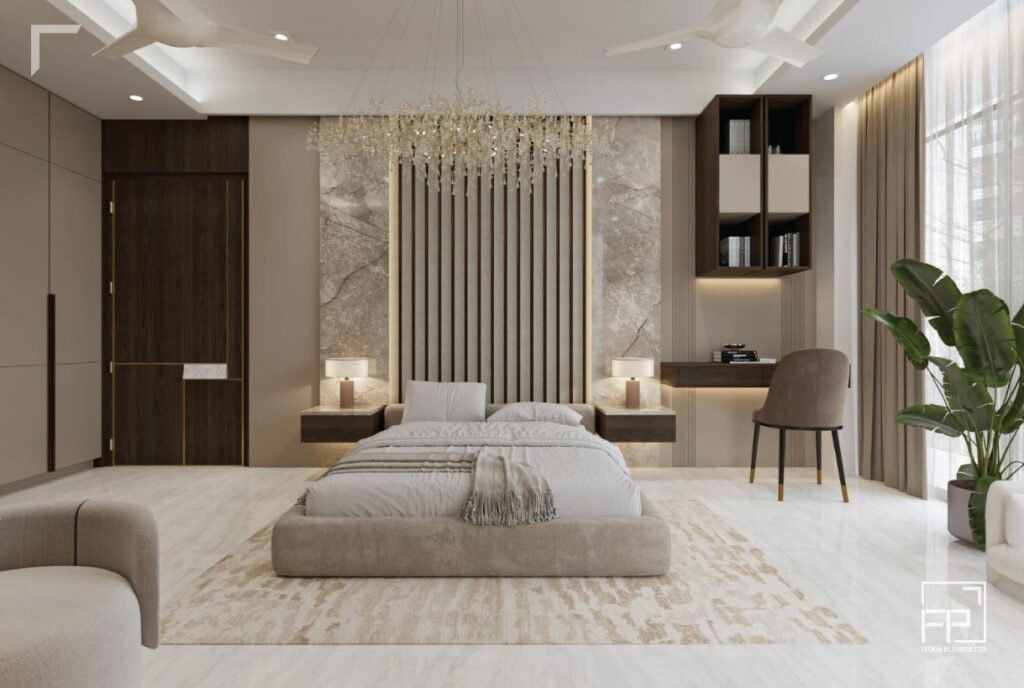
Your bedroom should feel like a retreat – calm, comfortable, and completely yours.
Color & Mood:
Opt for soothing colors like soft blues, greens, or neutrals. They naturally create a sense of peace. Invest in a high-quality mattress, plush bedding, and blackout curtains for restful sleep. If you’re planning a makeover and wondering how much it might cost to bring your dream space to life, you can learn more about the pricing and design breakdowns here – explore details
Storage & Organization:
Built-in wardrobes and under-bed storage help keep clutter away. Minimalism in the bedroom promotes mental clarity and relaxation.
Lighting & Ambience:
Use warm, dimmable lights and bedside lamps for reading. Layered lighting, ceiling, bedside, and accent, allows flexibility from morning brightness to evening calm.
Personal Touches:
Add cozy textures with rugs and throws. Display framed photos, artwork, or even a statement headboard to reflect your personality.
Kitchen – The Functional Heartbeat
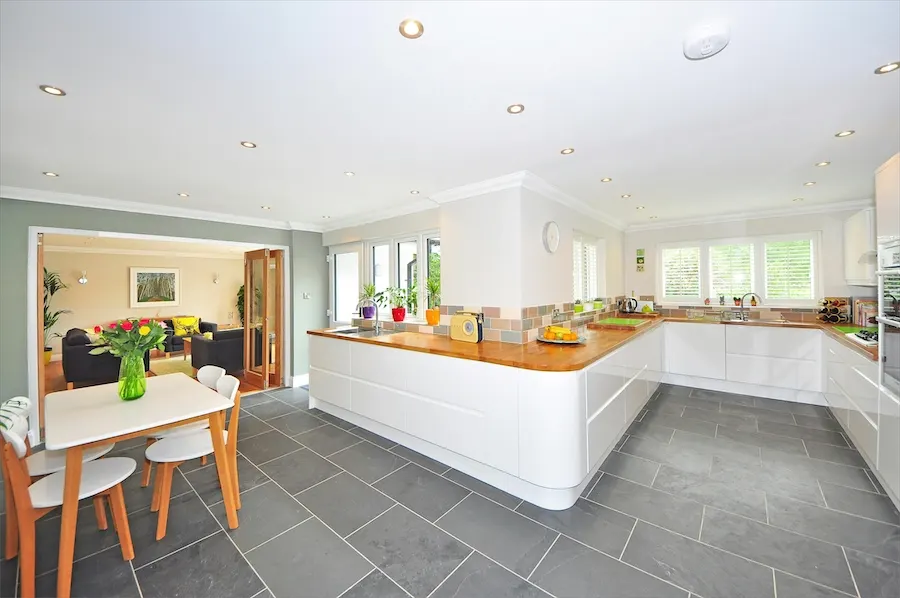
The kitchen is the most hardworking room in any home, a perfect mix of practicality and beauty.
Layout & Function:
Follow the work triangle rule, the sink, stove, and refrigerator should form a triangle to make movement efficient. Keep counters clear for prep and flow.
Cabinetry & Materials:
Natural woods, durable laminates, or painted finishes add character. English-style kitchens are trending, rich woods, deep colors, and classic range alcoves paired with stone countertops bring timeless charm.
Countertops & Backsplash:
Use durable materials like quartz, granite, or marble. Add personality with patterned or colored backsplash tiles.
Lighting & Storage:
Under-cabinet lighting brightens work areas. Mix open shelving for display and closed cabinetry for essentials. Good storage keeps the space tidy and enjoyable to use.
Smart storage starts with great cabinetry. Explore more ideas for stylish kitchen storage solutions that combine beauty and function.
Dining Room – Where Conversations Flow
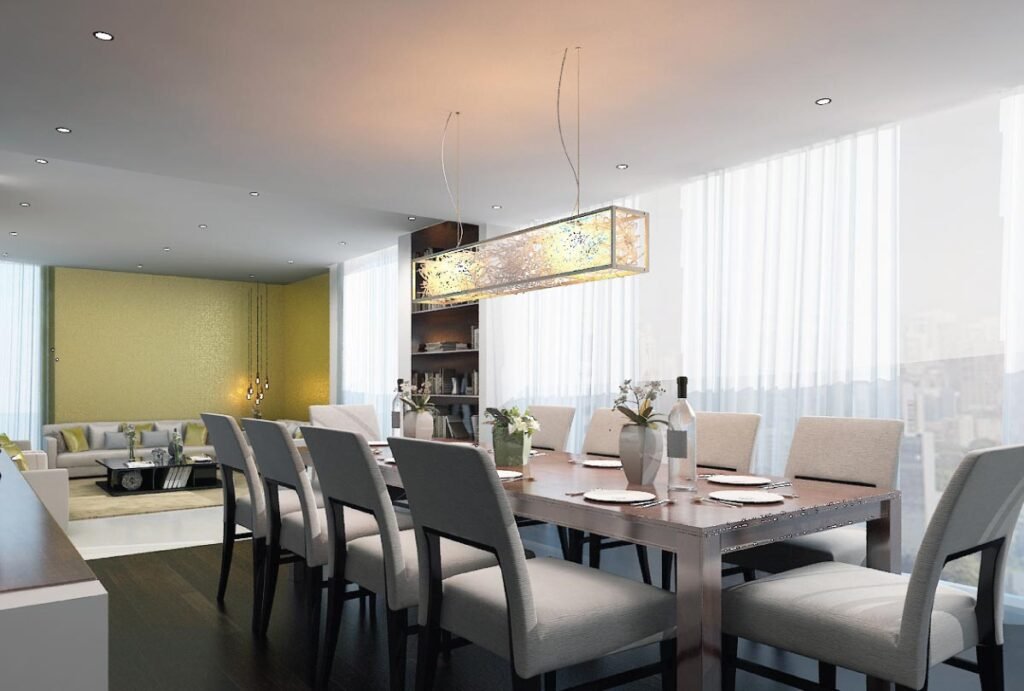
The dining room connects family, food, and stories.
Furniture & Layout:
Choose a table that fits the scale of your room, rectangular for long spaces, round for intimate gatherings. Ensure chairs are comfortable and easy to move.
Lighting & Atmosphere:
A chandelier or pendant above the table instantly elevates the space. Use warm, soft light to make every meal feel special.
Style Tips:
Accent walls, artwork, and sideboards can bring personality. A simple floral centerpiece or candles add charm without clutter.
Bathroom – Everyday Luxury
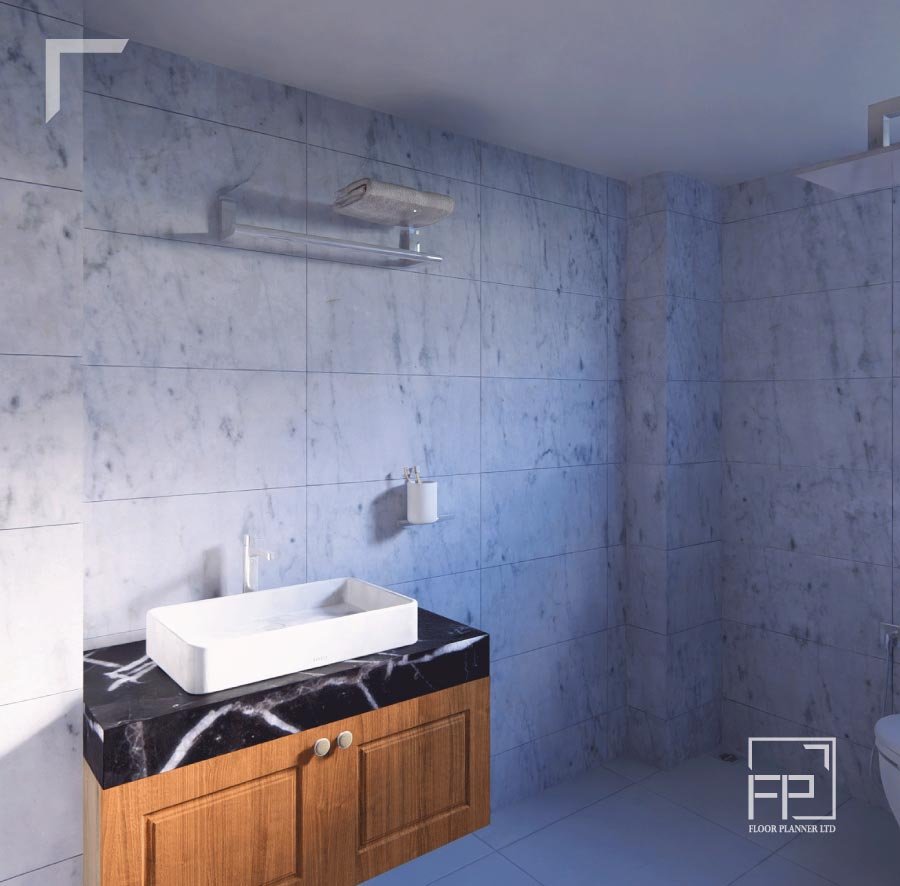
Bathrooms today are evolving into spa-like sanctuaries, small spaces with big impact.
Design & Layout:
Maximize every inch with wall-mounted vanities, recessed shelves, and glass partitions. Narrow wet rooms with rainfall showers are stylish and practical for compact homes. To explore more space-saving and stylish bathroom ideas, check out my full guide on bathroom design layouts.
Materials:
Use water-resistant materials like porcelain tile, stone, or high-quality laminate. A mix of matte and glossy finishes adds texture and depth.
Comfort & Safety:
Choose slip-resistant flooring and ensure proper ventilation to avoid humidity issues. Add soft lighting or candles for that relaxing spa feel.
Home Office – Designed for Focus
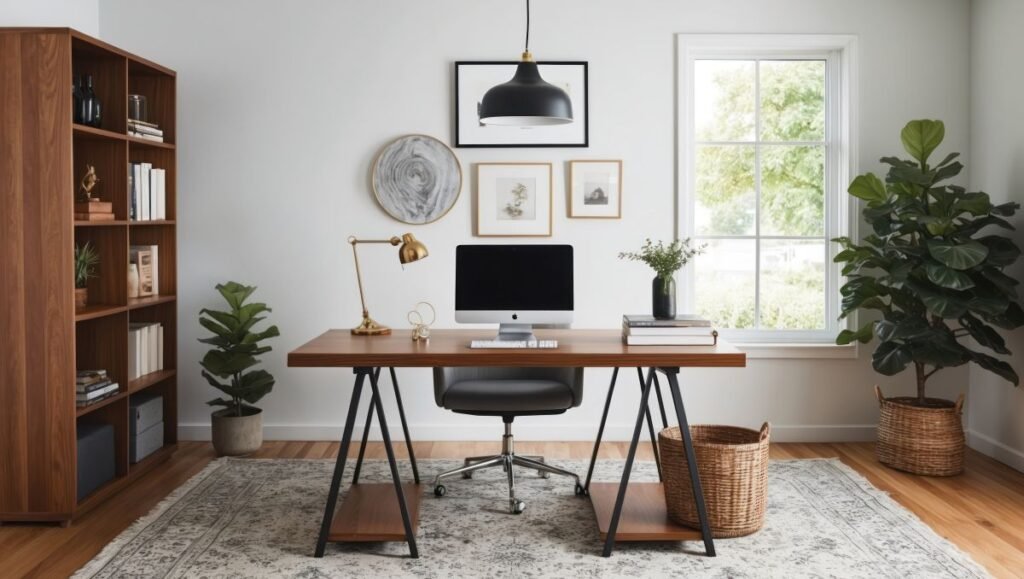
With hybrid work now part of modern life, a well-designed home office boosts productivity and wellbeing.
Layout & Function:
Choose ergonomic furniture, an adjustable chair, proper desk height, and ample storage. Position your desk near natural light if possible.
Lighting & Mood:
Task lighting is essential for focus, while soft accent lights can make the room feel calm. Vertical and horizontal lines in furniture design promote a sense of strength and stability.
Personalization:
Incorporate plants, artwork, or motivational quotes. A touch of greenery not only looks great but also reduces stress and boosts creativity.
Entryways, Hallways & Outdoor Spaces – The Transitions That Matter
Entryways:
Your entryway sets the tone for your entire home. Keep it functional yet inviting with a console table, a mirror, and smart storage for shoes or keys. A rug can anchor the space and add warmth.
Hallways:
Turn hallways into opportunities, gallery walls for art or family photos, or built-in shelves for books and décor. Proper lighting keeps them bright and welcoming.
Outdoor Spaces:
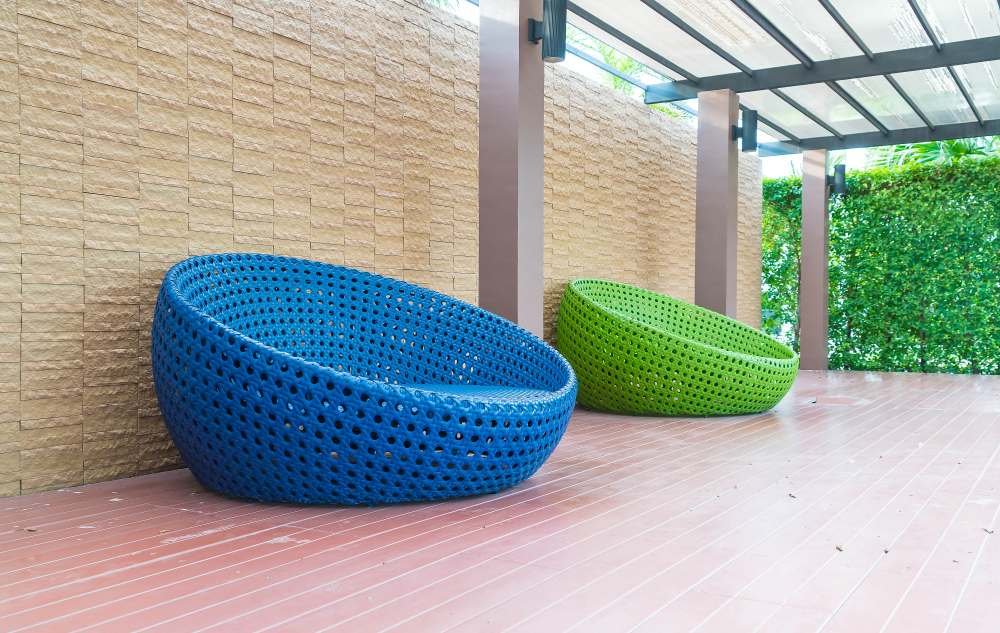
Whether it’s a balcony, patio, or garden, treat your outdoor area as an extension of your home. Use cozy seating, string lights, and greenery to create a relaxing retreat that mirrors your indoor design language.
Core Principles of Interior Design
Behind every beautiful home lies a set of timeless design principles. These principles guide everything, from furniture placement to color choices, ensuring that every room feels balanced, cohesive, and effortlessly elegant.
Let’s walk through the fundamentals that every great designer (and homeowner) should know.
1. Balance
Balance is what makes a room feel right. It’s the visual equilibrium that ensures no single area feels heavier or emptier than another. There are three main types:
Symmetrical Balance: Common in traditional interiors, think of two identical sofas facing each other or matching lamps on either side of a bed. It creates calmness and formality.
Asymmetrical Balance: Often used in modern spaces. Instead of identical pieces, visual weight is balanced through color, texture, or scale, like a large sofa balanced by a bold artwork on the opposite wall.
Radial Balance: Everything radiates around a central point, such as a chandelier above a round dining table. It’s dynamic yet harmonious.
To achieve balance, distribute furniture, lighting, and décor thoughtfully. Step back often, if a space “feels” uneven, your eyes will know before your mind does.
2. Harmony and Unity
Harmony is the thread that ties your home together. It’s what makes spaces flow seamlessly from one to the next.
You can create unity by repeating patterns, colors, or textures across rooms. For example, using warm wood tones throughout your home or repeating brass hardware in both kitchen and bathroom ensures consistency without monotony. Harmony doesn’t mean sameness it means connection.
3. Rhythm
Just like in music, rhythm in design creates movement and flow. It guides the eye smoothly through a space.
There are four ways to build rhythm:
Repetition: Repeating an element, such as color, shape, or texture, across different areas (like black picture frames or woven baskets).
Progression: Gradually increasing or decreasing size, color intensity, or pattern, for instance, a series of pendant lights in different lengths.
Transition: Smooth visual pathways that lead the eye naturally, such as curved lines in furniture or arched doorways.
Contrast: Sharp differences, dark vs light, rough vs smooth, that add energy and excitement.
A well-designed home feels rhythmic, your eye dances from one beautiful detail to another without pause.
4. Proportion and Scale
Proportion is about the relationship between objects; scale relates objects to the room itself. Both are vital for comfort and aesthetics.
Large furniture in a small room feels cramped, while tiny décor in a big living room feels lost. The key is balance — mix sizes for interest, but maintain harmony. For example, pair a large sectional sofa with a substantial coffee table rather than a delicate one.
A simple tip: if your ceiling is high, go for taller furniture or artwork to fill vertical space. If it’s low, use horizontal lines to visually widen the room.
5 Focal Points and Emphasis
Every room needs a star of the show, a focal point that draws the eye and anchors the design.
It could be a fireplace, a stunning artwork, a feature wall, or a statement light fixture. Once you’ve identified it, arrange furniture and lighting to highlight that element. Avoid competing focal points, let one statement piece shine while the rest supports it subtly.
6 Contrast
Contrast brings life to design. Without it, rooms can feel flat or monotonous.
Play with contrasting colors (black and white, navy and gold), textures (smooth marble with rough jute), and shapes (soft curves beside sharp angles).
The right contrast adds depth, interest, and personality while keeping your space visually stimulating.
7 Attention to Detail
Details may be small, but they define the difference between a “nice” interior and a stunning one.
Door handles, trims, light switches, cushions, and curtain rods, these finishing touches complete the design story. Choose them intentionally, in materials and finishes that complement the overall look. Polished hardware, elegant trims, or a well-placed vase can make a huge impact.
Elements of Interior Design
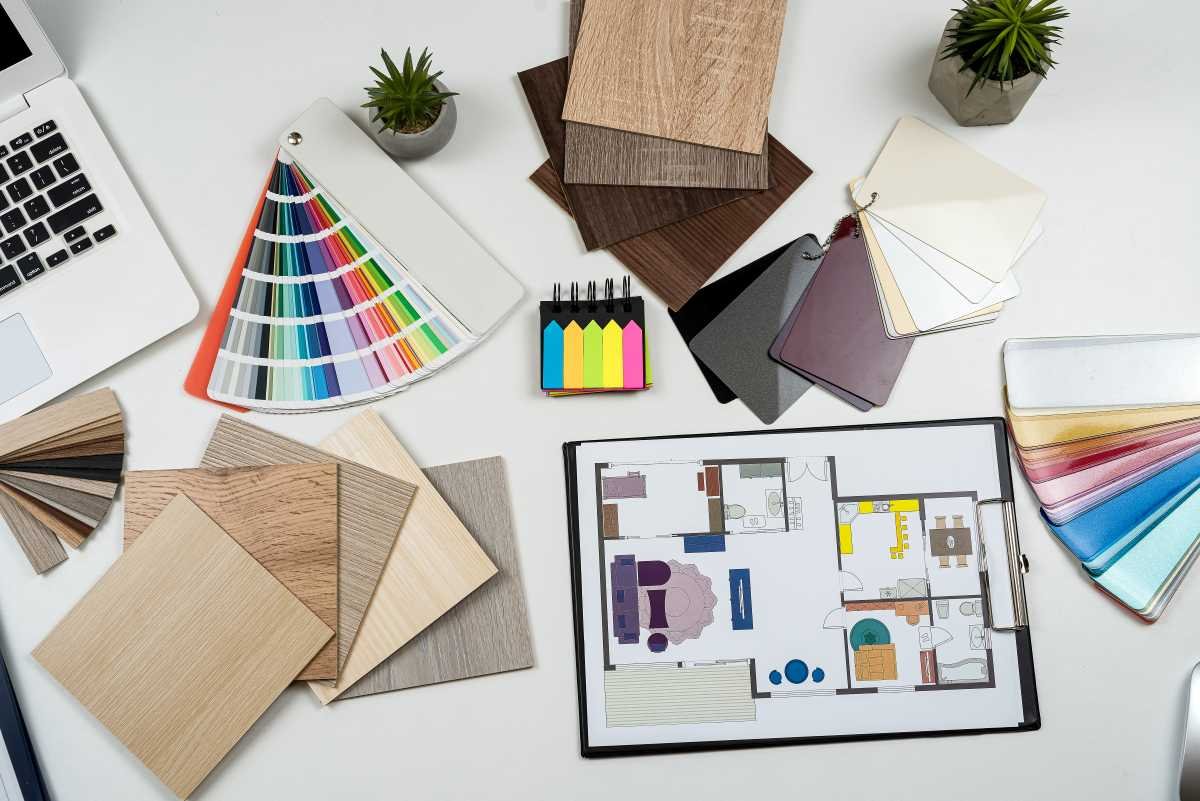
While principles guide how to design, the elements are what you design with. These seven elements work together like instruments in an orchestra, each essential on its own, but magical when in harmony.
1 Line
Lines define form and direct the eye.
Vertical lines (from columns or tall windows) convey strength and height.
Horizontal lines (from tables or low furniture) create stability and calm.
Dynamic lines (like curves or diagonals) add energy and movement.
A balanced mix of all three creates visual interest and flow.
2 Space
Every design begins with space, the physical boundaries within which you create.
Positive space is filled with furniture and décor; negative space is the empty area around them. A good design balances both. Too much positive space feels cluttered; too much negative space feels bare. Leave room for movement and breathing space, your design needs to “breathe” just like you do.
3 Light
Light transforms everything.
Natural light enhances mood and makes rooms feel open and alive.
Artificial light adds functionality and warmth through layers:
Task lighting (for reading, cooking, working)
Ambient lighting (overall room brightness)
Accent lighting (highlighting artwork or textures)
A well-lit home feels vibrant by day and cozy by night.
4 Form
Form refers to the shape of furniture, décor, and architectural elements.
Geometric forms, squares, rectangles, circles, bring structure.
Organic forms, curves and natural shapes, add softness.
Open forms create airiness, while closed forms feel solid and grounded.
A thoughtful mix keeps interiors balanced and inviting.
5 Texture
Texture gives depth and tactile richness to a room. There are two kinds:
Actual texture: what you physically feel (like wood grain, velvet, or stone).
Visual texture: what your eyes perceive (like a printed fabric that mimics depth).
Layer textures, smooth with rough, shiny with matte, to make spaces feel warm and dimensional.
6 Color
Color sets the mood more powerfully than any other element.
Blues and greens bring calm and serenity; yellows add energy and warmth; reds stimulate appetite and conversation. Neutrals provide balance and allow accent colors to shine.
Use color thoughtfully, it should reflect both your personality and the room’s purpose.
7 Pattern
Patterns add character and rhythm. They can appear in fabrics, wallpapers, tiles, or rugs.
Use patterns strategically, bold ones make a statement, while subtle ones add texture. Always ensure patterns complement your color palette and room size. In small spaces, stick to smaller prints; in large rooms, go bolder.
Together, these principles and elements form the backbone of every successful design, the invisible structure that makes a space feel effortlessly beautiful.
At Floor Planner Limited, we use these fundamentals not as rigid rules but as creative tools, guiding us to design homes that feel balanced, alive, and unmistakably yours.
Custom Furniture, Materials, and Decor Selection
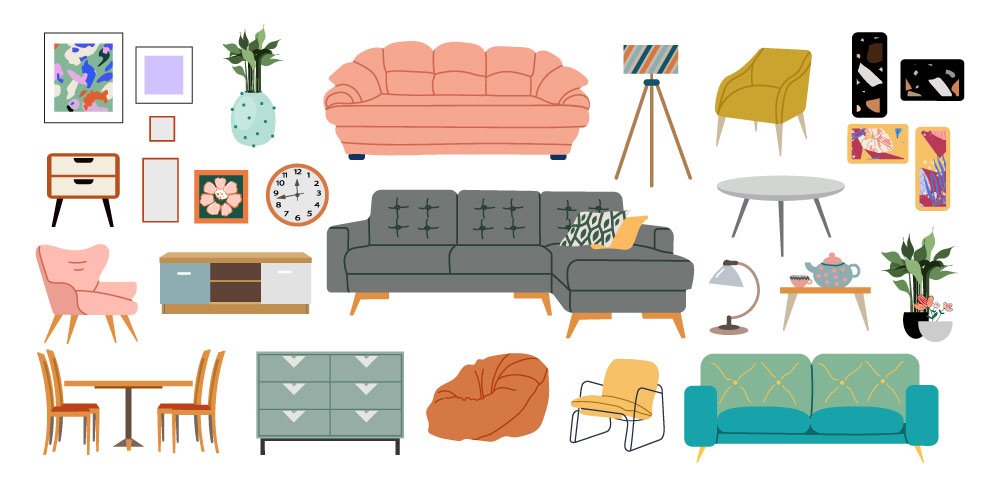
Once the foundation of design is set, the real magic happens through furniture, materials, and décor, the tangible layers that give your home its personality. These elements define how your space feels every day, lived-in, elegant, or refreshingly modern.
Furniture: Comfort Meets Character
Furniture is the backbone of every interior. Invest in quality pieces that suit your lifestyle, fit the scale of your rooms, and will last through the years.
For smaller homes or apartments, modular and multi-functional furniture, like sofa beds, nesting tables, or extendable dining sets, can make a huge difference. They maximize space without compromising style.
When selecting larger pieces, think beyond trends. Choose designs that feel timeless and versatile. A well-made sofa, a solid wood dining table, or a beautifully upholstered chair are investments that anchor your home.
Tip: Always measure your space before buying. Even the most stunning furniture can look out of place if it’s too large or too small for the room.
Materials: Natural Warmth, Modern Durability
The materials you choose determine both the look and longevity of your interiors.
Natural materials: like wood, stone, linen, wool, and rattan bring warmth and texture. They age beautifully and connect your home to nature.
Synthetic materials: such as engineered wood, laminates, or acrylic, offer affordability and resilience, especially for high-use areas.
Trending for 2025: Textured elements are taking center stage, think woven or mesh cabinet fronts, ribbed glass, and cane furniture. These add visual depth and a handmade feel to modern spaces.
When selecting finishes, consider durability and maintenance. Matte finishes hide smudges better than gloss; stone countertops are long-lasting but require sealing; and natural woods may need occasional treatment.
The key is to strike a balance between beauty, practicality, and your lifestyle.
Decor & Accessories: Telling Your Story
Décor is where design becomes personal. It’s your chance to tell your story through color, art, and collected treasures.
Artwork & Textiles: Mix paintings, photographs, and wall décor with cushions, throws, and rugs to add color and comfort.
Plants: Indoor greenery brings life and freshness, while improving air quality.
Mirrors: Use mirrors to reflect light and visually expand small spaces.
Memorabilia: Display souvenirs, family photos, or handcrafted pieces to make your space uniquely yours.
Remember, you don’t need to fill every surface. Leave negative space (empty space) around key pieces so your room feels balanced and calm. Layering textures, soft against rough, shiny against matte, keeps the design rich and inviting.
Trending Residential Design Ideas for 2025
Every year brings new inspirations, but 2025 is all about warmth, texture, and individuality. Homeowners are leaning toward designs that feel organic, tactile, and expressive, a return to comfort with a creative twist.
English-Style Kitchens
Rich wood cabinetry, natural stone countertops, and classic range alcoves are making a comeback. This timeless kitchen style combines craftsmanship with elegance, creating a space that feels both traditional and refined.
Rounded Furnishings and Arches
Curves are replacing sharp edges, from arched doorways and mirrors to curved sofas and coffee tables. These shapes add softness and movement, creating a sense of calm and sophistication.
Spa-Like Shower Rooms and Wet Spaces
Bathrooms are becoming serene retreats. Enclosed glass shower rooms with rainfall showers, built-in benches, and soft lighting bring a luxurious, spa-like feel even to compact spaces.
Woven and Mesh Cabinet Fronts
A subtle yet stunning trend, woven rattan, cane, or mesh cabinet fronts in kitchens and living areas introduce natural texture and craftsmanship, offering a tactile balance to sleek modern lines.
Wood-Infused Warmth
Expect to see creamy off-whites paired with natural wood tones, oak, walnut, or ash, for a soothing, organic aesthetic. It’s the perfect mix of modern simplicity and timeless comfort.
Layered Colors and Maximalism
While minimalism remains timeless, maximalism is making a vibrant return. It’s about confidence, mixing patterns, textures, and colors to tell your story. Deep tones like terracotta, emerald, and navy pair beautifully with metallic or natural accents.
Outdoor Kitchens and Alfresco Living
Blurring the line between indoors and outdoors, more homeowners are embracing outdoor cooking areas, dining terraces, and lounge patios. Think weatherproof furniture, cozy lighting, and plants that extend your interior aesthetic outside.
Smart Home Integration
Design meets technology with smart lighting, climate control, and entertainment systems. Integrating tech seamlessly, hidden wiring, smart thermostats, voice-controlled lights, adds convenience and a modern edge to elegant interiors.
Sustainable and Budget-Friendly Design Tips
A beautiful home shouldn’t come at the cost of the environment, or your budget. Sustainable design is about making smart, thoughtful choices that benefit both you and the planet.
Sustainability Principles
Sustainable interior design means creating homes that minimize environmental impact while promoting health and comfort.
Here’s how to design responsibly:
Energy Efficiency: Choose LED lighting, energy-saving appliances, and water-efficient fixtures. Use natural light wherever possible, lighter wall colors and mirrors amplify brightness and reduce electricity use.
Natural & Renewable Materials: Incorporate bamboo, recycled wood, rattan, cork, or organic fabrics.
Low-VOC Paints & Finishes: These improve indoor air quality by reducing harmful chemicals.
Biophilic Design: Integrate plants, natural textures, and earthy tones to strengthen your connection with nature.
Local & Upcycled Items: Support local artisans and reuse vintage or pre-loved furniture. It’s sustainable and adds unique character to your home.
The goal is to create spaces that look good, feel healthy, and do good for the planet.
Budget-Friendly Strategies
Great design doesn’t have to be expensive, it just needs intention and creativity.
Start by decluttering. Clear away what you don’t love or need; it instantly makes your home feel lighter and more spacious.
Then try these smart, affordable approaches:
DIY & Simple Updates: Paint a wall, refinish a table, or reupholster a chair, small changes can make a big difference.
Shop Smart: Explore flea markets, vintage stores, and online marketplaces for one-of-a-kind finds.
Repurpose Existing Pieces: Move furniture between rooms, reframe old art, or give unused décor a second life.
Prioritize Impact: Focus your budget on high-impact updates, lighting, hardware, or a statement piece that transforms a room.
Budget-friendly doesn’t mean cutting corners, it’s about being resourceful and intentional. The most stylish homes often come from a mix of old and new, crafted and collected.
Common Mistakes to Avoid
Even the most stylish spaces can fall short if the basics aren’t right. Great design isn’t about how much you add, it’s about how well everything works together. Here are some common mistakes to watch out for and how to avoid them.
Ignoring Scale and Proportion
One of the most frequent design missteps is mismatched scale. Oversized furniture can overwhelm a small room, while tiny pieces can make a spacious area feel sparse.
Tip: Measure your space carefully before buying. Always leave enough breathing room around major pieces to keep the space open and functional.
Poor Lighting
Lighting can make or break a room. Relying only on a single ceiling fixture often leaves corners dark and moods flat.
Solution: Layer your lighting, mix ambient (overhead), task (reading or workspace), and accent (decorative or highlight) lights. Natural light should also play a leading role, never underestimate the power of sunlight.
Clutter and Over-Decorating
More isn’t always better. Overfilled rooms feel chaotic and heavy. Give your interiors room to breathe with negative space, the empty areas that allow key elements to shine. Curate rather than collect. Keep only the pieces that truly bring you joy or serve a purpose.
Neglecting Functionality
A beautiful room that doesn’t work for your lifestyle will never feel right. Think about how you move, live, and use each space before designing it. Choose layouts that make daily life easier, not just prettier. Practical comfort is the essence of good design.
Following Every Trend
Trends come and go, but your home should reflect you. It’s fine to embrace new ideas, but avoid chasing every trend that appears online. Stick to designs that feel authentic and timeless; they’ll always age gracefully. A well-chosen trend should complement your style, not define it.
Step-by-Step Process for Working with an Interior Design Firm
Working with an interior design firm is an exciting journey, one that transforms ideas into reality with structure, creativity, and expert guidance.
Here’s what the process typically looks like when you collaborate with a professional team like Floor Planner Limited. If you’re still exploring reputable teams in the city, take a moment to discover some of Dhaka’s most trusted design studios before starting your project.
Step 1: Initial Consultation – Discover Your Vision
Everything begins with a conversation. During the initial consultation, we take time to understand your lifestyle, goals, and budget. This is where we explore your preferred style, modern, traditional, minimalist, or something unique, and discuss what you want your home to feel like.
Clear communication at this stage sets the tone for a smooth, successful project.
Step 2: Concept Development – Shaping the Dream
Once we know your vision, the design team develops mood boards, color palettes, and layout options that bring your ideas to life. This phase blends creativity with practicality, exploring various design directions until we find one that feels like “you.”
It’s the exciting part where imagination meets structure, where your dream starts to take visual form.
Step 3: Design & Planning – From Vision to Blueprint
After approving the concept, the project moves into detailed planning. We finalize floor plans, select materials and finishes, and specify furniture, lighting, and accessories. Budgets and timelines are established, ensuring everything is clear and realistic before any work begins.
Good planning ensures that every detail aligns perfectly, from proportions to textures to lighting flow.
Step 4: Implementation – Bringing It to Life
Here’s where the transformation truly happens. Contractors, artisans, and suppliers work under professional coordination to bring the design plan to life. Orders are managed, installations are supervised, and any challenges are handled proactively to maintain both quality and schedule.
This stage is all about precision, turning blueprints into a beautiful, functional reality.
Step 5: Finishing Touches – The Art of Completion
Once installation is complete, it’s time for the finishing touches, styling the space, arranging accessories, hanging artwork, and adding those final flourishes that make a house feel like home.
Finally, we walk you through your new space, review every detail, and ensure it’s perfect. This final step is where your design story comes full circle, beautifully, thoughtfully, and personally.
FAQs About Residential Interior Design
1. What’s the difference between interior design and interior decoration?
Interior design focuses on layout, structure, and function, how spaces work. Decoration is about styling and aesthetics, how spaces look. Great homes combine both.
2. How do I find my personal interior design style?
Start with inspiration, Pinterest, magazines, or showrooms. Notice what colors, shapes, and textures you’re drawn to. Your style often reflects your lifestyle and personality.
3. What are the biggest interior design trends for 2025?
Natural wood tones, curved furniture, textured materials, and sustainable design are leading the way. Homes are becoming warmer, softer, and more personal.
4. How can I make a small apartment feel spacious?
Use light colors, multi-functional furniture, and mirrors. Keep clutter minimal and let natural light flow freely, open space feels like luxury.
5. Do I need a big budget to have a beautiful home?
Not at all. Smart planning, a few statement pieces, and creative DIY updates can completely transform your space. Design is about intention, not expense.
6. How often should I update my home’s interior?
Every 4–5 years is ideal for a refresh, paint, lighting, or textiles. Full redesigns depend on lifestyle changes or wear over time.
7. Can interior design improve my wellbeing?
Absolutely. Thoughtful design, with natural light, soft textures, calming colors, and good air flow, can boost mood, focus, and relaxation.
8. What’s the first step before hiring an interior designer?
Define your goals and budget. Gather inspiration images and note what you love (and don’t). This helps your designer understand your vision clearly.
9. How do I mix old and new furniture styles?
Balance is key, repeat a few colors or textures to tie them together. A vintage wood cabinet can look stunning next to modern art if they share tone or proportion.
10. Why should I hire Floor Planner Limited?
Because we don’t just design spaces, we design experiences. Our approach blends creativity, functionality, and personalization to create homes that feel beautifully you.