Have you ever walked into an office that just drains you the moment you sit down? Maybe the lighting is harsh, the air feels stale, and the cubicles look like relics from the ’90s. You can almost feel your motivation slip away.
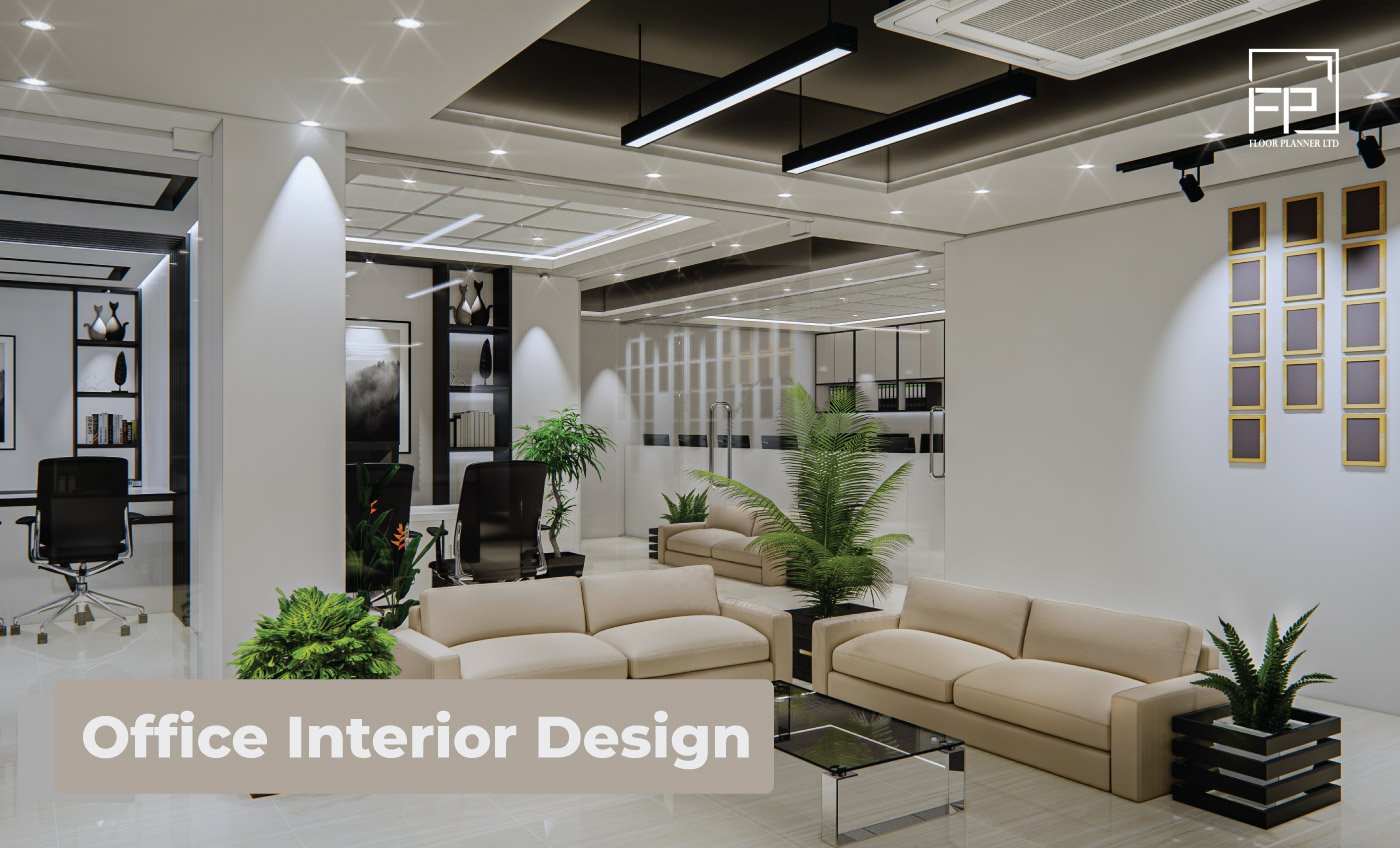
Now picture the opposite: an office filled with natural light, clean lines, calming colors, and cozy corners that invite collaboration. You instantly feel sharper, lighter, and ready to take on the day.
That difference isn’t just in your head, it’s in the design. The way an office looks, feels, and flows quietly influences how people think, feel, and perform. And that’s exactly where Office Interior Design makes a powerful impact.
In this post, I’ll break down how thoughtful interior design goes far beyond aesthetics—it’s actually a science-backed strategy to enhance focus, creativity, and well-being.
Why Office Design Matters More Than Ever
The world of work has changed. The rise of hybrid and remote work means offices are no longer just a place to clock in, they need to compete with the comfort and flexibility of home. Employees now ask a simple question: If I can work anywhere, why should I come to the office?
The answer often lies in the environment. A well-designed office makes people want to be there. It’s not about flashy décor or expensive furniture, it’s about creating a space that supports focus, sparks creativity, and feels genuinely good to spend time in.
Research backs this up: offices that prioritize design and comfort see measurable boosts in productivity and employee satisfaction. On the flip side, poor design leads to fatigue, mental burnout, and higher turnover.
Design isn’t just a “nice-to-have.” It’s a core business strategy, one that influences everything from engagement to innovation.
The Psychology of Productive Workspaces
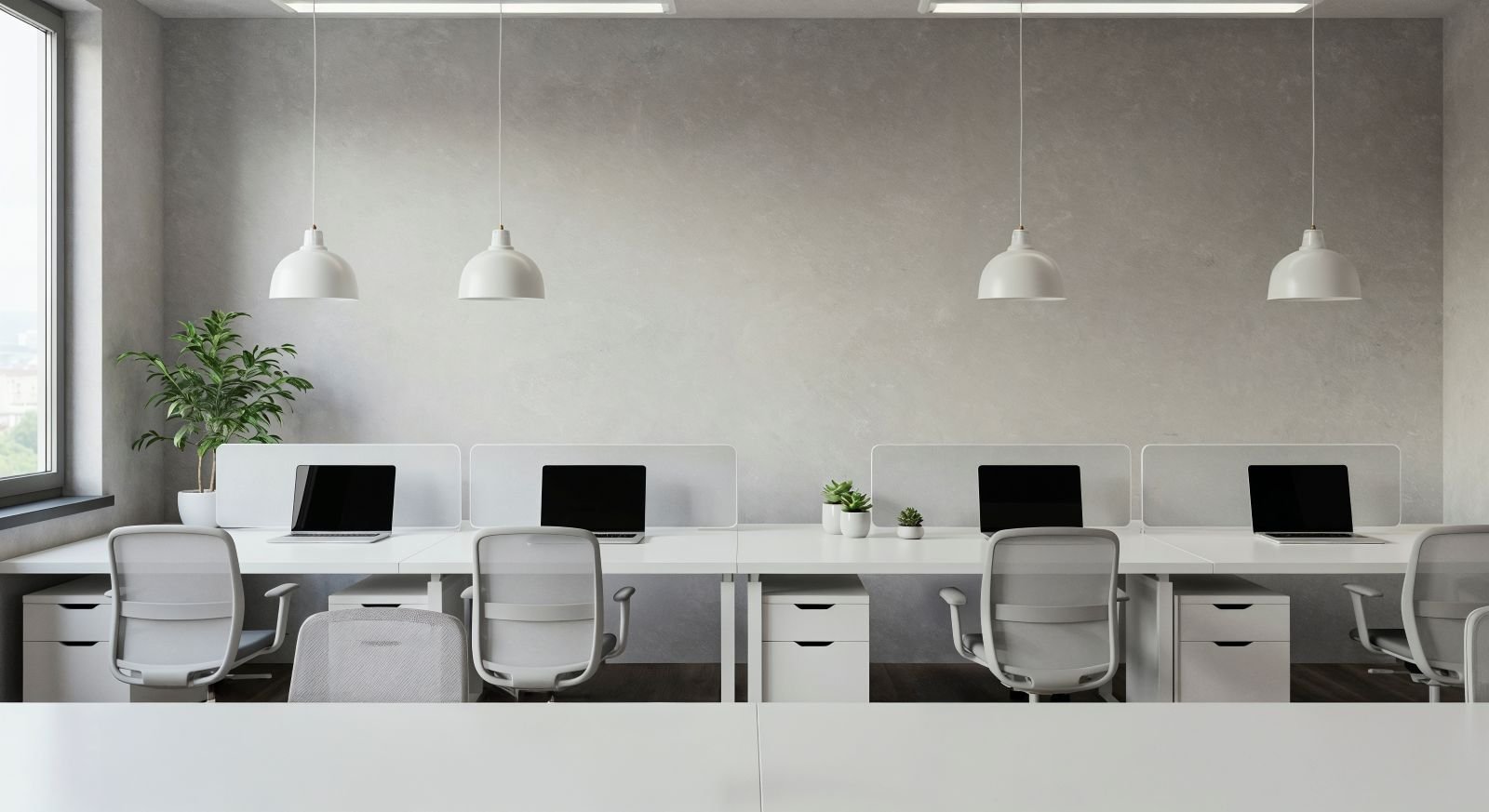
We spend a huge portion of our lives indoors, and our brains are wired to respond to our surroundings, often in ways we don’t even notice. The right design elements can lower stress, enhance creativity, and help people stay in the flow longer.
Let’s break it down.
Order vs. Clutter
Clutter is more than just a mess, it’s mental noise. Studies show that disorganized spaces increase cortisol levels (the stress hormone) and make it harder to focus. When employees work in a clean, well-organized environment, their brains process information more efficiently.
Smart storage, minimal visual distractions, and well-planned layouts keep the workspace feeling calm and clear, freeing up mental bandwidth for actual work.
Light vs. Dimness
Lighting is one of the most powerful (and underestimated) design elements. Natural light improves mood, regulates sleep cycles, and boosts productivity. In contrast, dim or artificial lighting causes eye strain and fatigue.
Offices with large windows, open blinds, and adjustable light levels help workers stay alert and positive throughout the day. If natural light isn’t possible, full-spectrum LED lighting can mimic daylight and maintain energy levels.
Color vs. Monotony
Color psychology plays a huge role in workplace design. Blues and greens tend to promote calm and concentration, while yellows and oranges inspire creativity and optimism. Neutral tones help balance the palette and prevent overstimulation.
A thoughtful color scheme, whether it’s a bold feature wall or subtle accent tones, can instantly shift the mood of a space and reinforce a company’s culture.
Temperature and Comfort
Temperature is often the silent productivity killer. A room that’s too hot or too cold can break focus faster than a ringing phone. Studies suggest the ideal office temperature hovers around 70–72°F (21–22°C).
Ergonomic furniture, adjustable chairs, and breathable fabrics also contribute to comfort, and when people are physically comfortable, they’re far more likely to stay engaged.
Emotional Triggers That Boost Performance
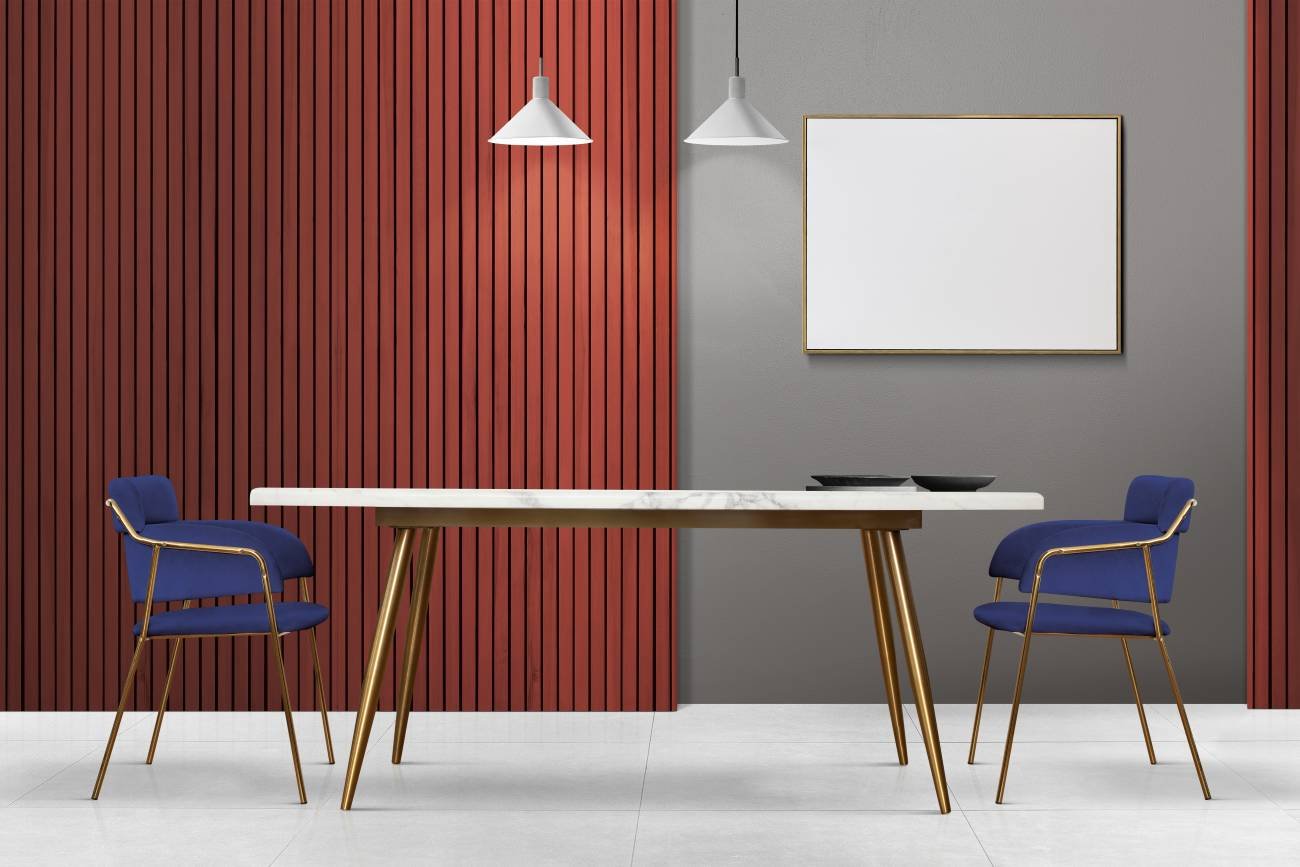
Sense of Control
People thrive when they have some control over their environment, whether that’s adjusting lighting, choosing where to sit, or personalizing their desk. Modern offices that include flexible zones (quiet rooms, open lounges, collaborative areas) give employees the freedom to choose how they work best.
That autonomy fosters ownership, and ownership fuels motivation.
Sense of Belonging
Office design can subtly communicate inclusion and teamwork. Shared spaces, community tables, and collaborative zones encourage connection. When employees see their company’s values reflected in the design, through branding, artwork, or cultural cues, they feel part of something bigger.
A sense of belonging doesn’t just boost morale; it strengthens loyalty.
Visual Calmness
Overstimulating environments, with bright screens, loud colors, and constant motion, lead to mental fatigue. The most productive offices find a visual balance: clean lines, natural textures, soft lighting, and thoughtfully spaced décor.
Visual calm helps people focus longer and think more clearly.
Reduced Cognitive Load
Cognitive load refers to how much mental effort it takes to process your surroundings. Every extra distraction, tangled cords, cluttered desks, or chaotic layouts, drains focus.
Good design minimizes those distractions, making it easier for employees to think, create, and make decisions without unnecessary friction.
Lighting: The Hidden Productivity Booster
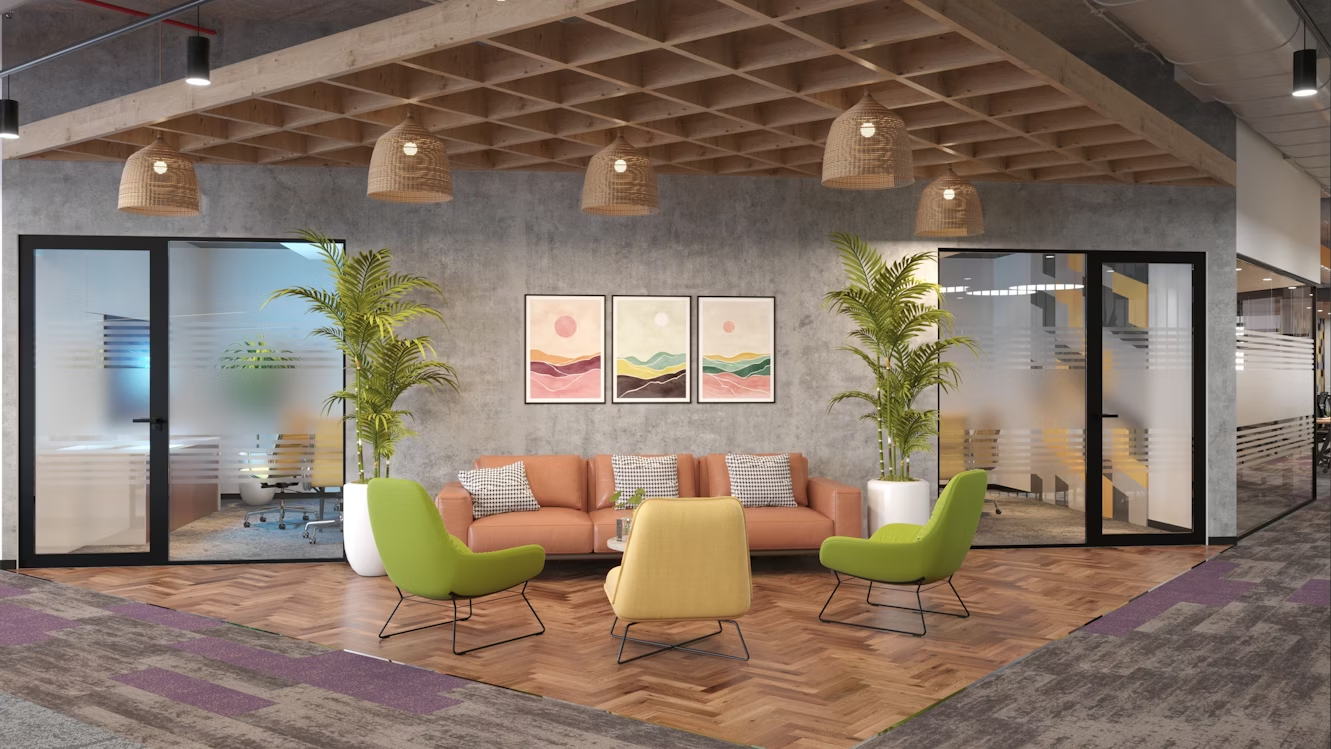
If there’s one design element that quietly influences mood and focus more than people realize, it’s lighting. The right lighting setup doesn’t just help you see better, it helps you think better.
It sets the tone for energy, creativity, and even how long people can stay focused before their brain needs a break.
Let’s break it down.
Natural Light
Nothing beats sunlight. Exposure to natural light has been proven to improve alertness, reduce eye strain, and regulate our circadian rhythm, that internal clock that tells us when to be awake and when to wind down.
Employees who sit near windows report higher energy levels and better sleep quality, which translates directly into productivity.
Design Ideas:
Window placement: When planning office layouts, position workstations close to windows whenever possible. Even partial sunlight is better than none.
Glass partitions: Instead of solid walls, use frosted or clear glass to let light flow through different sections of the office while maintaining privacy.
Skylights and light wells: For offices with limited exterior walls, overhead openings can bring in much-needed daylight to central zones.
Natural light also creates a visual connection to the outdoors, something our brains instinctively crave. It keeps the space feeling open, alive, and refreshing.
Artificial Lighting
Of course, not every office can rely entirely on sunlight. That’s where artificial lighting steps in, and the choices you make here can make or break the workspace atmosphere.
Warm vs. Cool Lights:
Warm lights (yellowish tones) create a relaxed, cozy vibe, great for lounges or break areas. Cool lights (bluish tones) enhance alertness and focus, making them ideal for workstations and meeting rooms. A mix of both can help define different zones within the same office.Task Lighting vs. Ambient Lighting:
Ambient lighting sets the general mood, while task lighting, think desk lamps or under-cabinet fixtures, provides focused brightness for detailed work. Giving employees control over their individual task lighting adds comfort and flexibility.Common Mistakes to Avoid:
Overhead fluorescent tubes that cast harsh, sterile light
Dark corners that make parts of the office feel forgotten
Uneven lighting that causes glare or shadow fatigue
The goal is balance, lighting that feels natural, consistent, and easy on the eyes throughout the day.
Light Positioning for Different Zones
Different parts of the office serve different purposes, and their lighting should reflect that.
Workstations: Use cool, evenly distributed lighting that minimizes shadows and glare on screens. Adjustable desk lamps give each employee control over brightness.
Meeting Rooms: Blend ambient light with controllable task lights. For presentations, dimmable options help set focus.
Lounge Areas: Go for warmer, softer light that encourages relaxation and casual conversation. Pendant lights or wall sconces can add a cozy, welcoming touch.
When done right, lighting doesn’t just illuminate, it energizes, comforts, and inspires.
Noise Control: Creating a Focus-Friendly Environment
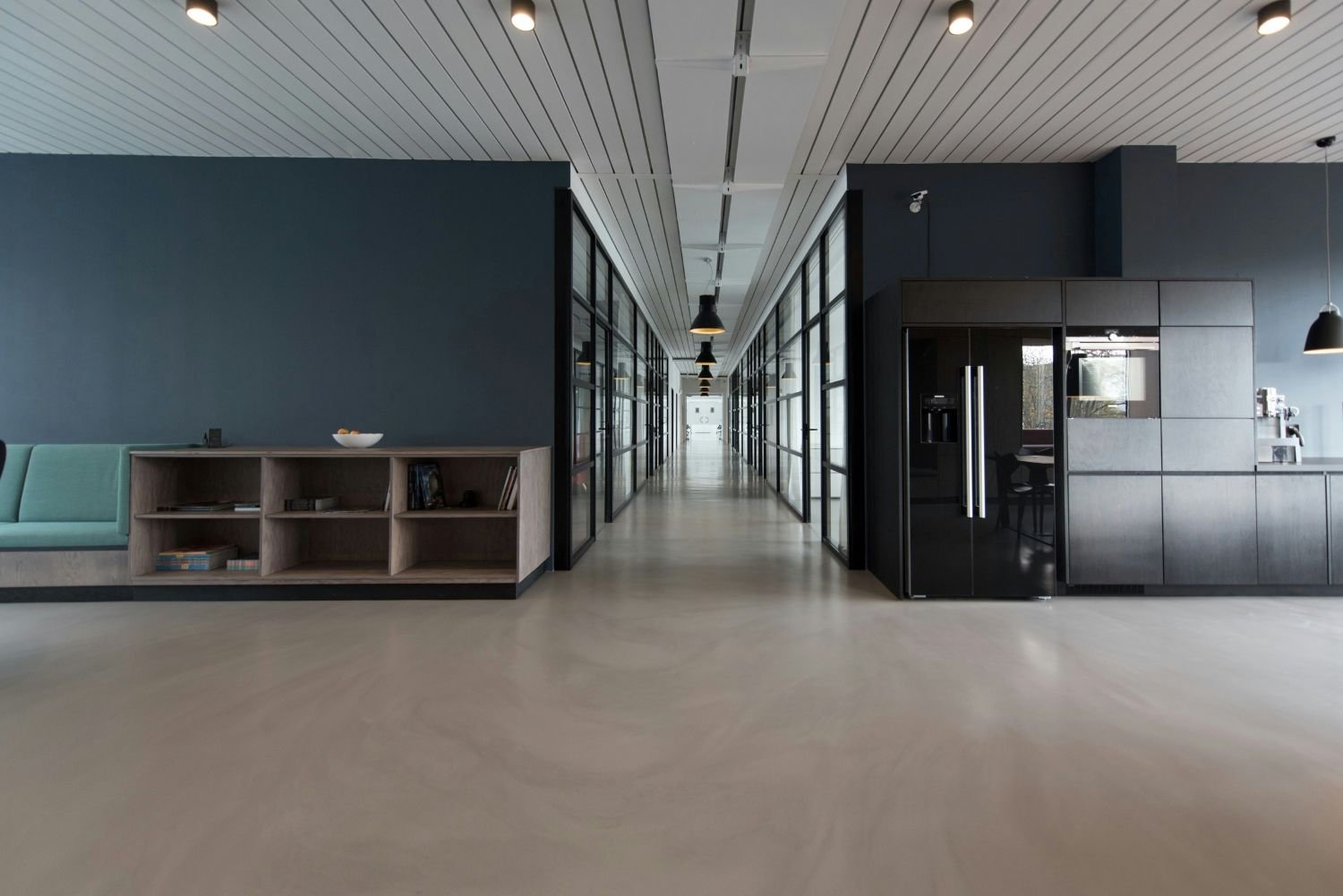
If light shapes how we feel in a space, noise shapes how well we think. The hum of conversation, clattering keyboards, or a ringing phone can quickly pull you out of deep focus, and it takes the brain several minutes to fully refocus after each interruption.
Let’s look at why noise matters and how smart design keeps it in check.
Why Noise Destroys Productivity
Constant noise does more than just distract, it actually increases stress levels and mental fatigue. When our brains are constantly filtering out background sounds, we burn valuable cognitive energy that should be spent on real work.
Over time, that leads to:
Shorter attention spans
Reduced creativity
Higher frustration and irritability
In open offices, this is one of the top complaints employees have — but it’s also one of the easiest to fix with the right design strategies.
Design Solutions
Acoustic Panels: These sound-absorbing panels can be mounted on walls or ceilings to dampen echoes and absorb mid-to-high frequency sounds. Modern acoustic panels also come in stylish shapes and colors that double as décor.
Carpets, Curtains, and Padded Dividers: Hard surfaces bounce sound. Soft materials, like rugs, fabric wall coverings, and upholstered partitions, soak it up. A mix of these materials can drastically reduce background noise.
Soundproof Meeting Rooms: Meetings and calls are unavoidable, but they don’t need to spill into the rest of the office. Sound-insulated glass walls or double-door entryways can contain noise effectively without sacrificing openness.
Quiet Zones for Deep Work: Designating silent areas or “focus pods” gives employees the option to step away from noise when they need uninterrupted time. Think of it as a library corner for serious concentration.
Office Layout Choices That Reduce Noise
Sometimes, solving noise issues starts with the layout itself.
Avoid Long Echoing Corridors: Large, bare hallways act like echo chambers. Breaking up those spaces with artwork, plants, or textured walls helps absorb sound.
Strategic Spacing Between Teams: Place noisier departments (like sales or customer service) away from quieter ones (like accounting or design).
Buffer Zones: Use lounge areas, coffee stations, or storage spaces as “sound buffers” between different work zones. This not only cuts down on noise but also improves traffic flow.
Smart Space Planning: Layout That Drives Efficiency
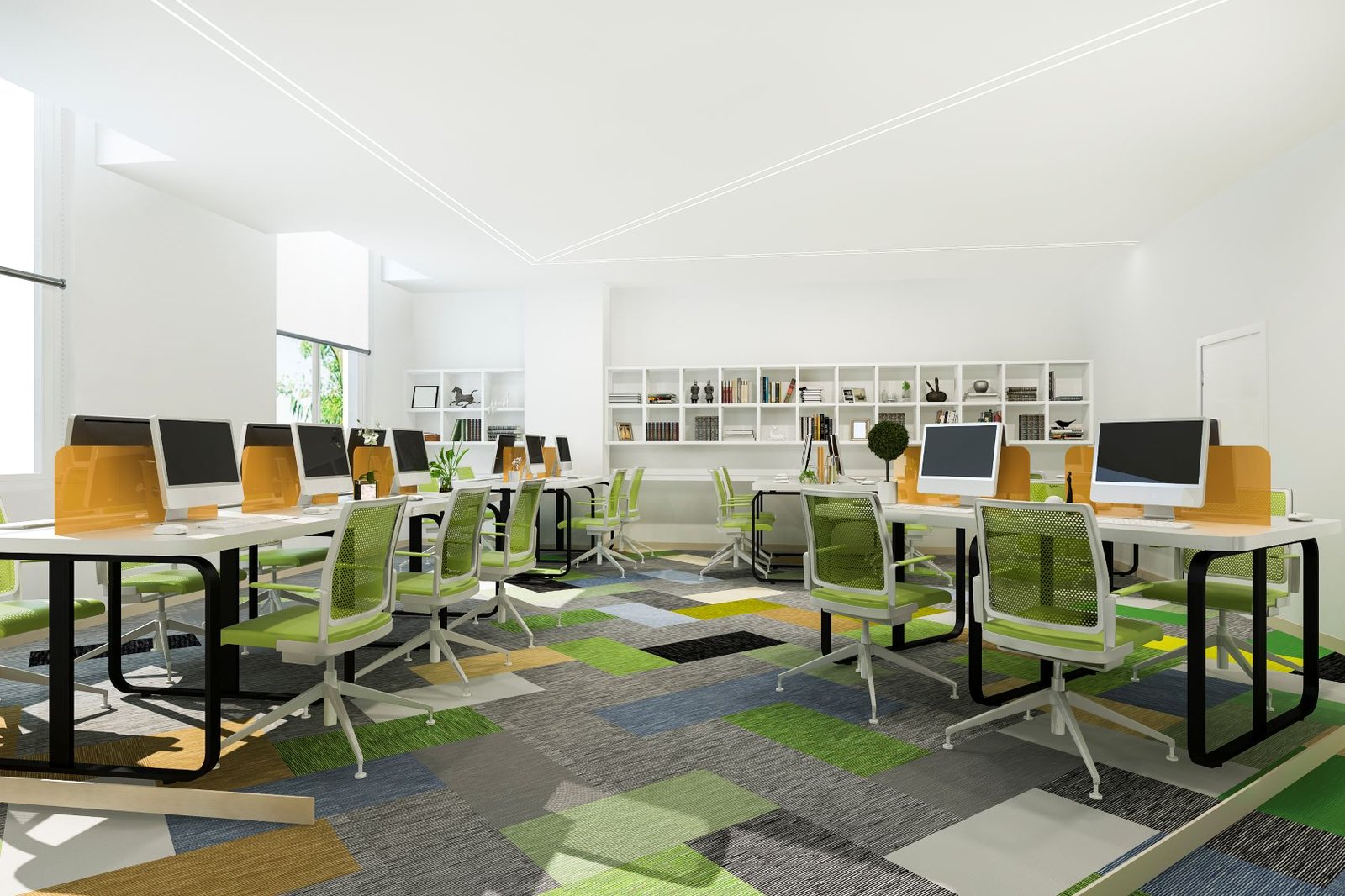
A great office layout isn’t just about where desks go, it’s about how people move, think, and connect throughout the day. Smart space planning makes every square foot purposeful, supporting different work styles while keeping energy flowing naturally.
Let’s look at how layout choices can make or break productivity.
Open Office vs. Private Office, What Really Works?
Ah, the age-old debate. Open office or private cabins? Truth is, there’s no one-size-fits-all answer, it depends on the type of work and the culture you want to create.
Open Layouts – The Pros:
Encourage collaboration and team spirit.
Create a sense of transparency and equality.
Feel dynamic and lively, boosting creative energy.
Open Layouts – The Cons:
Can get noisy fast.
Offer little privacy for focused work or sensitive conversations.
Sometimes lead to “visual chaos,” making it harder to concentrate.
Private Offices – The Pros:
Provide quiet, distraction-free focus.
Offer privacy for calls, strategy work, or management tasks.
Reduce sensory overload, especially for analytical roles.
Private Offices – The Cons:
Can feel isolating.
May reduce spontaneous collaboration and communication.
Hybrid Layouts: The Modern Solution
The sweet spot lies somewhere in between. A hybrid office layout blends the openness of collaborative zones with private nooks for concentration. Think of it as giving employees “freedom of choice” to pick the kind of space that matches their task.
Work Zones That Actually Make Sense
The best offices are divided into purposeful zones, each designed to support specific activities and energy levels.
Task-Focused Zones: Quiet, minimal, and distraction-free. Ideal for deep, independent work.
Collaboration Areas: Open tables or soft seating clusters for brainstorming, teamwork, and quick discussions.
Phone Booths: Small enclosed pods where employees can take calls or video meetings without disturbing others.
Breakout Areas: Relaxed, creative corners where casual ideas can spark, usually near coffee stations or lounges.
Micro-Meeting Spaces: Small rooms for two to four people, perfect for quick check-ins without occupying large conference rooms.
When each zone has a clear purpose, the office flows naturally, people instinctively know where to go for the kind of work they need to do.
Traffic Flow & Movement
A smart layout also considers how people move. Bad traffic flow can create unnecessary distractions and frustration.
Avoid Blocking Pathways: Keep walkways clear and intuitive, nothing kills focus like constant interruptions or bumping chairs.
Separate Movement from Deep-Work Zones: Position frequently used areas (like printers or pantries) away from quiet zones.
Encourage Light Movement: Subtle design choices like standing tables, wider hallways, or stair-accessible floors encourage movement, which helps blood flow and brain function.
Movement isn’t just about logistics, it’s about energy. When employees can move freely, they think more clearly and stay healthier.
Ergonomics: Healthy Employees Work Better
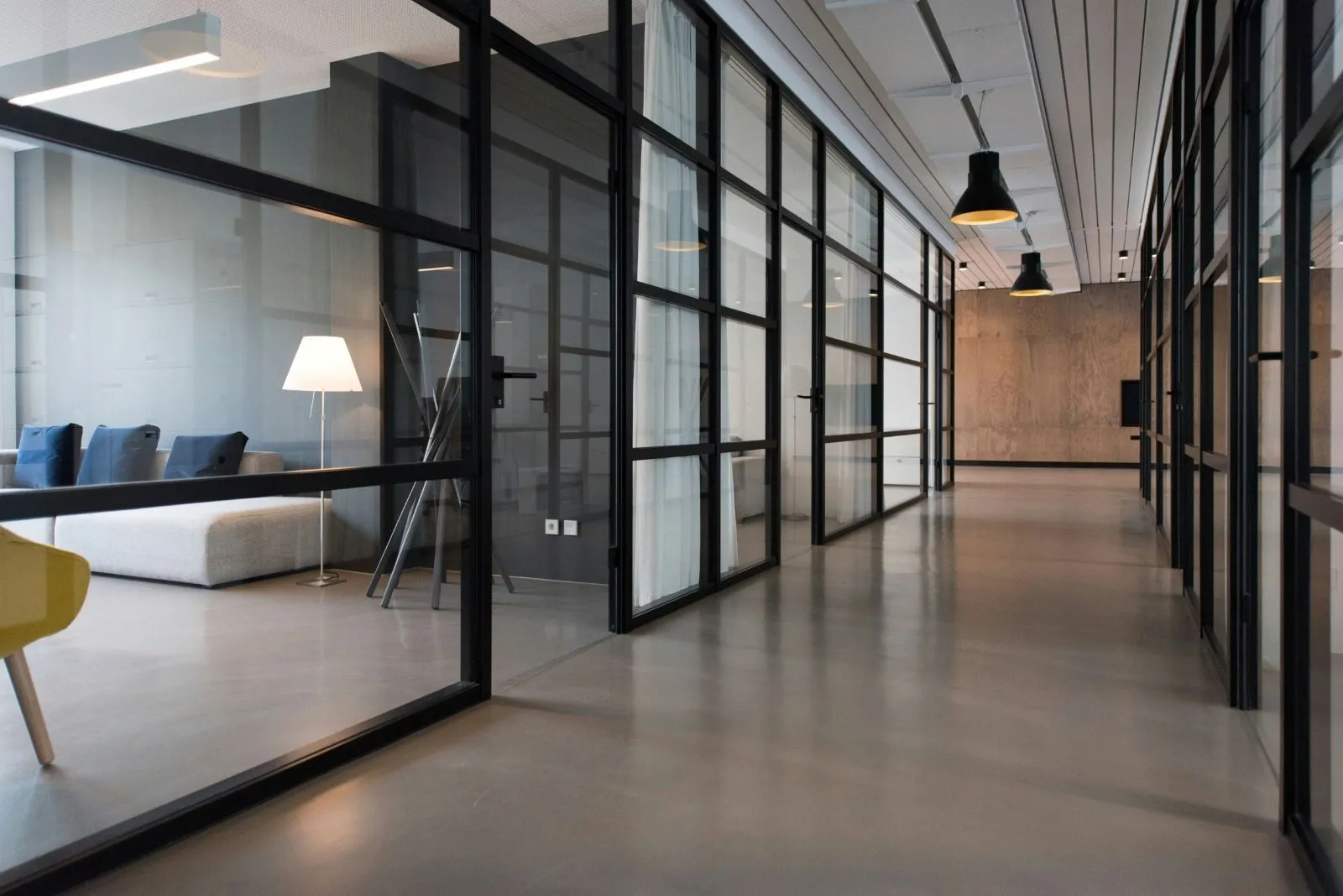
You can have the most stunning office design in the world, but if people end the day with sore backs and stiff necks, productivity will always take a hit. Ergonomics, the science of comfort and posture, is where design meets well-being.
Ergonomic Chairs & Height-Adjustable Desks
The chair might just be the most important “tool” in any office. A well-designed ergonomic chair supports natural posture, keeps the spine aligned, and reduces muscle tension.
Height-adjustable desks take it up a notch, allowing employees to switch between sitting and standing — which not only improves comfort but also boosts energy levels.
Better posture means less back pain, fewer headaches, and, ultimately, fewer sick days.
Monitor Height, Keyboard Placement, Foot Support
Sometimes the smallest details make the biggest difference.
Monitor Height: The top of the screen should be at or slightly below eye level to prevent neck strain.
Keyboard Placement: Keep wrists straight and elbows at a 90-degree angle.
Foot Support: Feet should rest flat on the floor, or on a footrest if needed, to relieve pressure from the lower back.
These tweaks may seem minor, but over time, they add up to healthier, happier employees.
Flexible Seating Options
A modern office recognizes that everyone works differently. That’s where flexible seating comes in.
Standing Desks: Perfect for people who prefer more movement throughout the day.
Lounge-Style Creative Corners: Sofas and low tables spark relaxed, free-flowing ideas.
Sit-Stand Hybrid Workstations: Adjustable setups that adapt to each person’s preferred style.
When employees can choose how and where they work, they’re more comfortable, and comfort leads to better performance.
Colors & Materials: The Mood Setters
Color and texture might seem purely aesthetic, but they have a surprisingly powerful effect on how people feel and perform. A well-thought-out palette can lift mood, inspire creativity, and even calm stress.
Color Psychology for Offices
Each color triggers a different emotional response, and using them strategically can help shape how people experience the space.
Blue → Focus: Ideal for analytical tasks and high-concentration areas.
Green → Calm: Refreshing and easy on the eyes, great for relaxation zones or shared spaces.
Yellow → Creativity: Adds energy and optimism, perfect for brainstorming rooms.
Neutrals → Clarity: Keep the space balanced, light, and timeless.
Red → Energy (in small doses): Stimulates excitement and urgency, use as an accent, not a wall-to-wall color.
The key is balance. Too much of any one color can be overwhelming, but the right mix brings harmony and flow.
Using Materials to Shape Experience
Materials don’t just affect how an office looks, they influence how it feels.
Wood: Brings warmth and a touch of nature indoors, creating a welcoming vibe.
Metal: Conveys professionalism and precision, great for corporate or tech-focused spaces.
Glass: Adds openness, transparency, and a sense of connection between teams.
Fabrics: Soften the environment, enhance comfort, and help with sound absorption.
Combining materials thoughtfully creates a sensory balance, where hard meets soft, sleek meets cozy — making the space both beautiful and functional.
Storage, Decluttering & Organization
You can have the best lighting, ergonomic furniture, and layout in the world, but if the office is cluttered, it’s game over for productivity. Clutter doesn’t just fill physical space; it clutters the mind too.
How Clutter Kills Productivity
When you’re surrounded by piles of papers, tangled cables, and random office supplies, your brain subconsciously processes it all as visual noise. That constant background “mess” leads to stress, reduces focus, and makes it harder to think clearly.
Studies show that a clean, organized workspace lowers cortisol (the stress hormone) and helps people get into a deeper state of concentration. Simply put: a tidy space equals a tidy mind.
Smart Storage Ideas
Hidden Storage: Built-in cabinets and under-desk drawers keep essentials close but out of sight, maintaining that clean look.
Modular Shelves: Flexible shelving units that can expand or move as the team grows. They look modern and make reorganization easy.
Cable Management: The unsung hero of organization. Use cable trays, clips, or floor channels to keep wires neatly tucked away.
Minimalist Workstations: Encourage employees to keep only what they truly need on their desks. Less clutter = more focus.
Digital Documentation: Moving from paper to digital systems reduces mess and makes files easier to access from anywhere.
Breakout Spaces: The Secret Productivity Weapon
Here’s a little secret, productivity doesn’t always happen at the desk. Some of the best ideas are born over coffee or during a casual chat in a comfy corner. That’s where breakout spaces come in.
Why Breaks Boost Performance
Breaks aren’t just for rest, they reset the brain. Stepping away from the desk gives the mind a chance to recharge, process ideas subconsciously, and come back sharper.
They also foster social bonding, those informal connections that make a workplace feel human, and boost creativity by changing scenery and mental pace.
Types of Breakout Zones
Coffee Corners: Casual and inviting, perfect for quick mental breaks or impromptu chats.
Mini-Libraries: Quiet reading nooks that inspire calm reflection.
Gaming / Relax Lounges: Spaces with board games or light entertainment to encourage laughter and stress relief.
Outdoor / Green Balconies: A little sunlight and fresh air can do wonders for energy and mood.
Designing Break Areas That Recharge the Mind
The best break areas feel cozy, not corporate.
Use comfortable seating, soft materials, and warm lighting to create a sense of retreat. Add a few plants or calming art pieces, and you’ll have a space where people genuinely enjoy spending time, and return to work refreshed.
Biophilic Design: Bringing Nature Indoors
Humans were never meant to work in sterile boxes. Biophilic design, the art of connecting interiors with nature — has become one of the most powerful ways to improve well-being and focus.
How Nature Improves Focus
Just being near natural elements like plants or sunlight can lower stress and restore mental clarity. Plants clean the air, boost oxygen levels, and bring a sense of calm that reduces anxiety.
Nature also gives the eyes a break from screens, helping improve visual comfort and reducing fatigue.
Practical Biophilic Ideas
Indoor Plants: Easy to maintain and instantly uplifting.
Green Walls: A living statement piece that doubles as an air purifier.
Water Elements: Fountains or small water features add soothing background sound.
Natural Materials: Use wood, stone, and bamboo to introduce organic textures.
Nature-Inspired Textures: Wallpapers, fabrics, or art that mimic natural patterns bring the outdoors in, even in urban offices.
When nature meets design, focus and happiness bloom.
Branding Through Design: Boosting Morale & Identity
An office should feel like the company it represents. Design can visually communicate brand identity and values, reminding everyone of the bigger mission they’re part of.
The Role of Visual Identity
Brand Colors: Incorporate brand tones subtly through accent walls, furniture, or artwork.
Motivational Graphics: Display quotes, company achievements, or employee milestones.
Mission-Driven Walls: Use wall murals or installations to celebrate purpose, culture, and success stories.
These visual cues quietly reinforce pride and belonging every single day.
Why Employees Work Better When They “Feel the Brand”
When people see their company’s values reflected in their surroundings, it builds emotional connection and team pride. A branded workspace reminds employees that they’re part of something meaningful, not just a desk and a paycheck.
That sense of belonging drives loyalty and performance more than any policy ever could.
Technology Integration: Smooth Workflow = Higher Productivity
A smart office isn’t just beautiful, it’s efficient. Integrating technology into design streamlines workflow and minimizes frustration.
Smart Conference Rooms: Automated booking systems, wireless screen sharing, and video conferencing tools make meetings seamless.
Wireless Charging Points: Keep devices powered without messy cords.
Integrated Screens: Built into walls or desks for quick collaboration or presentations.
Noise-Cancelling Systems: White noise or smart acoustic systems that adapt to ambient sound levels.
Smart Climate Control: Adjusts temperature and airflow automatically for comfort and energy efficiency.
When tech and design work together, daily tasks feel effortless.
Sustainable Office Design (Bonus Factor)
Sustainability isn’t just about being eco-friendly, it’s about responsibility and long-term health, both for the planet and for employees.
Energy-Efficient Lighting: LEDs, motion sensors, and daylight systems save power and cost.
Eco-Friendly Materials: Recycled, renewable, or responsibly sourced materials reduce environmental impact.
Low-VOC Paints: Improve indoor air quality by minimizing toxins.
Green design choices signal care, for people, the planet, and the company’s future.
Real Examples: How Good Design Transformed Productivity
Let’s put theory into practice.
A marketing agency once struggled with burnout and high turnover. Their old office was dark, cluttered, and noisy. After redesigning with natural light, quiet pods, and collaborative zones, employee satisfaction shot up by 40%, and creative output nearly doubled.
A tech startup switched from a tight cubicle setup to a hybrid layout with flexible workstations and breakout lounges. Within six months, they reported fewer sick days, faster project completion, and stronger team morale.
Good design doesn’t just look nice, it delivers measurable results.
Cost Guide: Designing a Productive Office on Any Budget
Creating a productive workspace doesn’t have to drain your bank account. It’s about priorities, not price tags.
High-End Design Ideas: Custom furniture, advanced smart systems, and biophilic walls for maximum impact.
Mid-Budget Solutions: Mix of ergonomic basics, modular furniture, and accent design elements like color and lighting.
Budget-Friendly Hacks:
Declutter and repaint for an instant refresh.
Add plants and better lighting.
Use creative DIY dividers or pegboards for organization.
Even small changes can spark big improvements in comfort and focus.
A Productive Office Starts With Smart Design
At the heart of every productive workplace is a simple truth: design shapes behavior.
From lighting and acoustics to ergonomics and color, every detail either fuels or drains energy. Smart design aligns comfort, focus, and creativity, helping people do their best work effortlessly.
So if your workspace feels tired or uninspired, take a step back and reimagine it. You don’t need a massive renovation, just thoughtful, intentional updates that put people first.
Because when design supports well-being, productivity naturally follows.
Invest wisely. Design intentionally. And build a workspace where great ideas, and people, thrive.