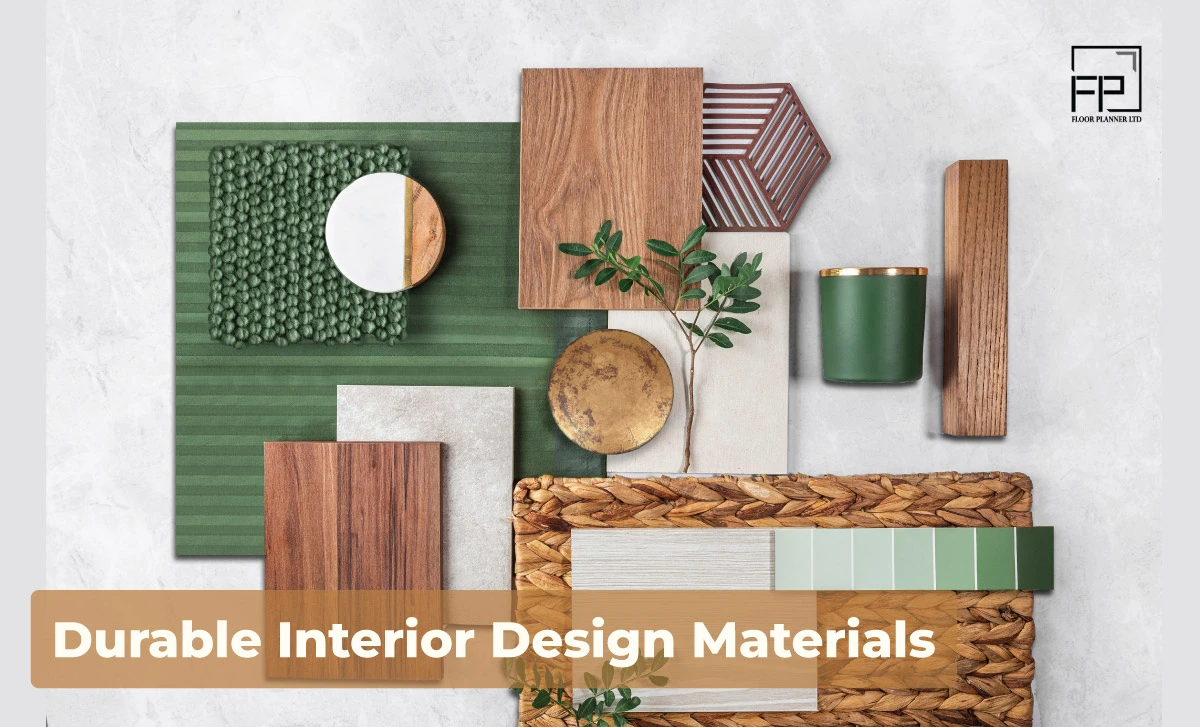
Designing a home in Bangladesh means working with heat, humidity, and long monsoon seasons. That’s why choosing the right interior design materials isn’t just about style, it’s about durability. The wrong materials can warp, fade, or peel fast, while the right ones stay strong and beautiful for years.
In this guide, I’ll share the most durable interior design materials for Bangladeshi weather, so you can create spaces that look great and truly last. Let’s build smart from the start.
Weather-Smart Materials for Bangladeshi Interiors
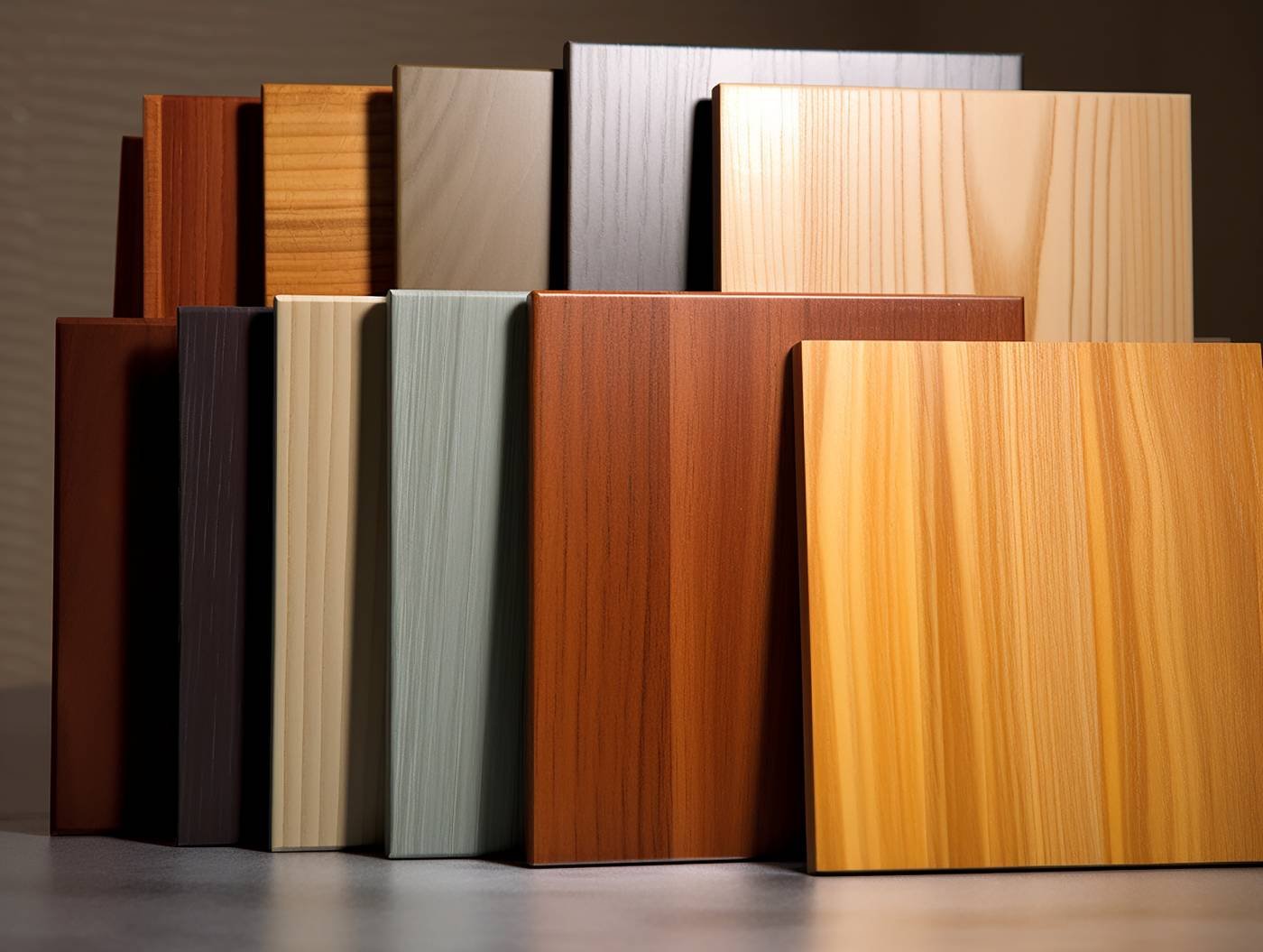
Let’s explore durable, climate-friendly materials that balance aesthetics with performance, so your interiors stay beautiful and strong through every season.
1. Engineered Wood Over Solid Wood
While solid wood is beautiful, it doesn’t always behave well in humid weather. Engineered wood, like plywood, MDF, or HDF, offers the same warm, natural look but with much better stability.
Best for: Furniture, wardrobes, and kitchen cabinets.
Pro tip: Choose marine-grade plywood for kitchens and bathrooms; it’s resistant to moisture and less likely to warp.
2. UPVC and Aluminum for Windows & Doors
Forget traditional wooden frames if you live near coastal or damp areas. UPVC and aluminum are rust-proof, termite-resistant, and unaffected by humidity.
Best for: Windows, balcony doors, and frames exposed to the elements.
Bonus: They help with energy efficiency by keeping interiors cooler.
3. Vitrified or Porcelain Tiles
Tiles are a blessing in Bangladesh. They’re durable, easy to clean, and resistant to moisture, perfect for our climate.
Best for: Flooring, bathroom walls, kitchen backsplashes.
Tip: Go for matte or textured finishes to reduce slip risk during humid months.
4. Weather-Proof Paints and Sealants
Paint isn’t just about color, it’s protection.
Use washable, anti-fungal, and weather-resistant paints for walls, especially in humid areas.
For exterior or semi-exposed walls, elastomeric paints work wonders as they expand and contract with temperature changes, preventing cracks and leaks.
Sealants around windows, corners, and tiles help prevent water seepage during monsoons.
5. Metal with Protective Coating
If you love the look of metal furniture or fixtures, go for powder-coated steel or brass instead of untreated iron. These resist rust and maintain their shine even in humid conditions.
Best for: Stair railings, lighting fixtures, or decorative accents.
6. Moisture-Resistant Fabrics
For upholstery, curtains, and cushions, skip heavy cottons and silks, they trap moisture and dust. Instead, choose:
Poly-blends, outdoor fabrics, or treated linens that dry quickly and resist mildew.
For a luxe look without the fuss, synthetic suede or leatherette performs better than genuine leather in humidity.
7. Natural Stone and Quartz Countertops
In kitchens and bathrooms, granite and quartz reign supreme. They’re heat- and water-resistant, easy to maintain, and add timeless elegance.
Tip: Seal stone surfaces annually to prevent stains and damp spots during the monsoon.
8. Cement Finishes and Micro Topping
Modern minimalism meets practicality here. Cement-based finishes, like microtopping or polished concrete, are growing popular in Bangladeshi homes for their durability and raw beauty. They resist moisture, don’t warp, and age beautifully.
Durable Materials for Different Interior Elements
Designing interiors that can stand up to Bangladesh’s weather doesn’t mean compromising on aesthetics. With the right mix of materials, you can enjoy both beauty and resilience, no matter how humid the summer or how relentless the monsoon.
Let’s break down the best durable choices for each part of your home or workspace.
A. Flooring Materials That Resist Moisture and Wear
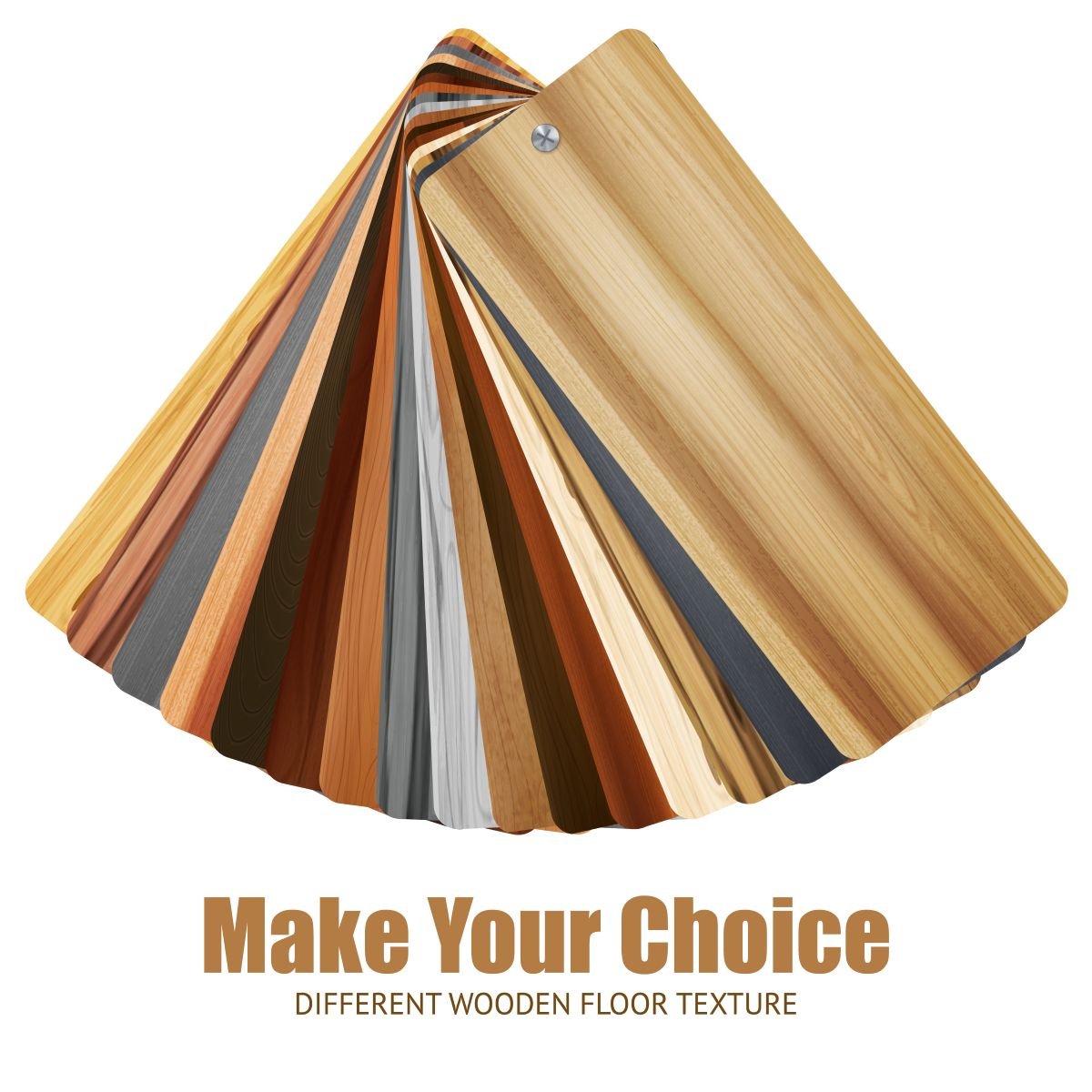
Your floors take the most beating, from muddy shoes during monsoon days to the everyday hustle of family life. Choosing materials that can handle moisture, heat, and foot traffic is key.
Vitrified or Porcelain Tiles: These are top choices for tropical homes. They’re non-porous, easy to clean, and handle both heat and moisture effortlessly. Their sleek finish also makes spaces feel bright and cool, perfect for Dhaka apartments or coastal homes in Chittagong.
Engineered Wood Flooring: If you love the warmth of wood but dread humidity damage, engineered wood is your best friend. It offers the same natural look but with a layered structure that resists warping and swelling.
Terrazzo or Mosaic Flooring: These classics are making a comeback, and for good reason. Locally available and extremely durable, terrazzo and mosaic floors are low-maintenance, cool underfoot, and ideal for high-humidity areas.
Cement Finish Floors (Microtopping): Sleek, modern, and almost indestructible, microtopping gives a minimalist industrial vibe that fits beautifully in modern Bangladeshi homes. It’s also resistant to moisture and heat.
Quick Tip: Avoid untreated hardwood or carpets in coastal or humid zones, they trap moisture, harbor mildew, and need constant upkeep.
B. Wall Finishes and Paints for a Long-Lasting Look
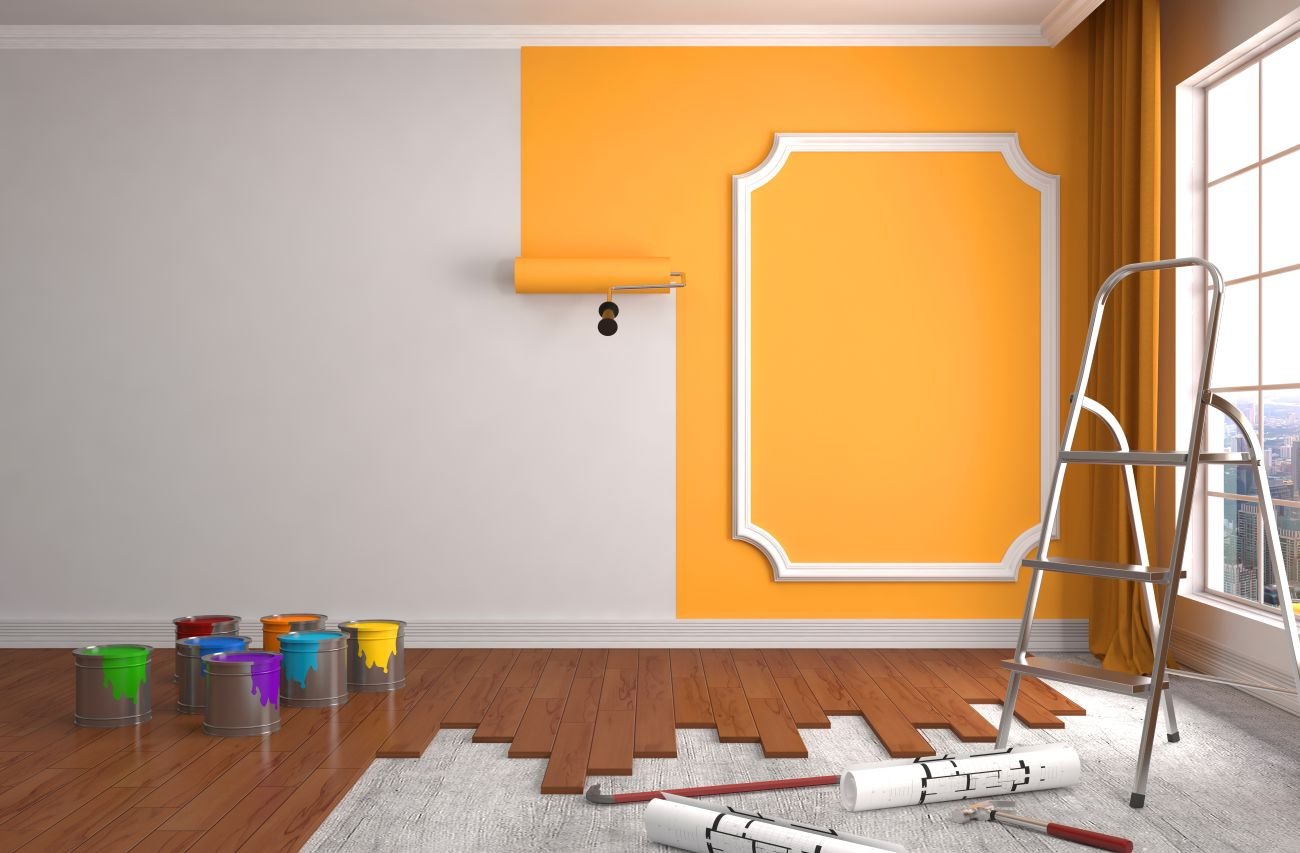
Walls tell the story of your home, but they also face daily wear from heat, humidity, and dust. The right finishes keep them fresh and elegant for years.
Weatherproof Emulsion Paints: Ideal for both interiors and semi-outdoor areas like balconies or verandas. They provide a protective layer against rain and heat, preventing fading and peeling.
Anti-fungal and Washable Paints: Kitchens, bathrooms, and basements need special care. These paints resist mold and make cleaning effortless, a must for our humid climate.
Wall Panels (PVC or Laminated MDF): Easy to install and maintain, these panels protect walls from dampness while adding a refined texture. Perfect for office spaces, showrooms, or feature walls.
Textured Finishes or Plaster: Besides hiding humidity stains or small imperfections, textures add warmth and depth. Think stone, concrete, or rustic plaster looks.
Local Brands to Try: Berger Weathercoat Long Life, Asian Paints Royale Aspira, and Nippon Weatherbond Advance are proven performers in Bangladeshi conditions.
C. Furniture Materials That Survive Humidity
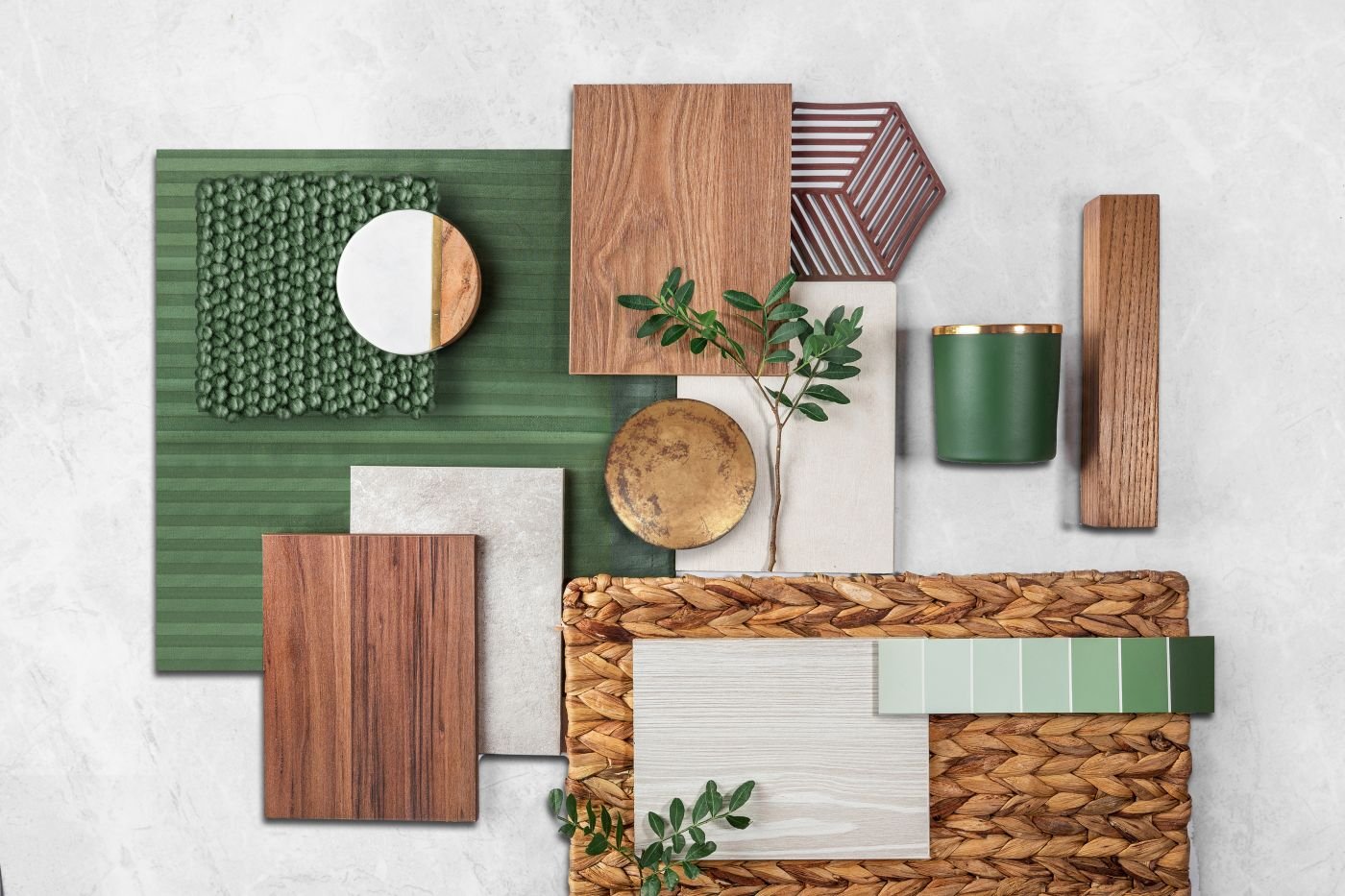
Furniture is where functionality meets artistry, and in Bangladesh, where humidity often takes its toll, material choice becomes everything.
Marine Plywood or BWP (Boiling Water Proof) Plywood: These are ideal for cabinets, wardrobes, and kitchen furniture. They resist moisture, termites, and swelling even during peak monsoon.
Metal or Powder-Coated Iron Furniture: A sleek, contemporary choice that resists rust when properly coated. Great for urban homes or cafes looking for an industrial edge.
High-Pressure Laminate (HPL) Finishes: A stylish yet sturdy surface option for tabletops and cabinetry. HPL resists scratches, heat, and water, ideal for busy homes or offices.
Rattan or Cane (Locally Sourced): These beautiful, breathable materials naturally adapt to humidity and are part of Bangladesh’s design heritage. They add warmth, texture, and timeless charm to any space.
Maintenance Tip: Apply varnish or polish once a year, ideally before monsoon season, to keep furniture protected and gleaming.
D. Fabrics and Upholstery for Tropical Comfort
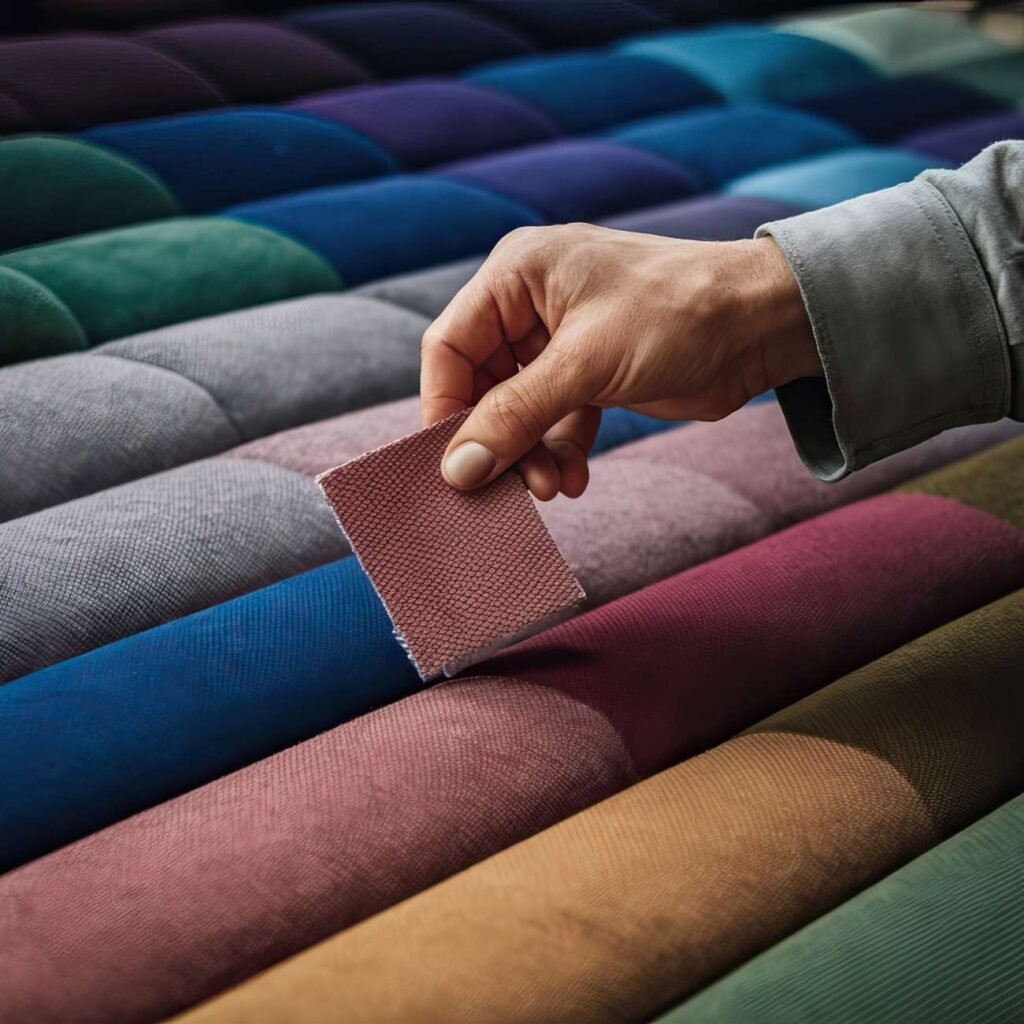
Soft furnishings bring comfort and personality to interiors, but they’re also the first to show signs of humidity or dust. Choosing breathable, low-maintenance fabrics is key to tropical comfort.
Cotton and Linen: Natural, airy, and elegant, perfect for curtains, cushions, and sofa covers. They allow ventilation and reduce moisture buildup.
Synthetic Blends: For commercial spaces or heavy-use areas, synthetic blends like polyester or olefin offer better moisture resistance and easy cleaning.
- Avoid Velvet or Heavy Drapery: While luxurious, these trap dust and moisture, leading to musty odors and discoloration over time.
Local Touch: Incorporate traditional Bangladeshi handloom weaves like Muslin, Khadi, or Jamdani-inspired textiles for a sustainable, cultural, and breathable design accent. These pieces also add meaningful character without overwhelming the space.
Before deciding on fabrics and finishes, it’s smart to consider your budget. I’ve shared a helpful breakdown of common bedroom design expenses in Dhaka. This will give you a clearer idea of where to invest and where you can save without compromising durability.
E. Kitchen & Bathroom Surfaces Built to Last
These are the hardest-working zones of any home, exposed to water, steam, and daily wear. Durability here equals peace of mind.
Granite Countertops: Timeless and strong, granite resists heat, stains, and moisture better than marble, making it ideal for tropical kitchens.
Quartz or Solid Surface Materials: Sleek, non-porous, and hygienic. They’re easy to clean and less prone to discoloration, even with daily use.
Stainless Steel Fixtures: From sinks to racks, stainless steel is unbeatable for durability in humid environments. It’s rust-proof and simple to maintain.
Anti-Slip Tiles for Floors: Safety meets style here. Choose matte-finish or textured tiles for kitchens and bathrooms to prevent slips during the monsoon.
PVC or Aluminum Cabinets: Say goodbye to swollen wood and termites. These modern materials are waterproof, lightweight, and perfect for high-humidity zones.
Design Tip to Remember
In Bangladesh, interiors that last aren’t about spending more, they’re about spending wisely on materials that suit the local climate. Durable design is sustainable design, helping you save time, effort, and money while keeping your spaces effortlessly beautiful through the years.
Latest Interior Material Prices in Bangladesh
Here’s a detailed list of commonly used interior-design materials for Bangladeshi weather, along with current approximate prices in Bangladesh (BDT). These are indicative, actual cost varies by brand, size, finish, shipping, installation, etc.
| Category | Material | Approx. Price (Bangladesh) | Notes |
|---|---|---|---|
| Flooring | Vitrified/Porcelain Tiles (good quality) | ~ ৳110 per sq ft for local PGVT floor tile. | Example: 60 × 60 cm size listed at ৳110/sq ft. |
| Floor Tiles (general range) | ~ ৳50-150 per sq ft (entry/mid-grade) | Ceramic and budget tiles. | |
| Premium tiles (marble/granite type) | ~ ৳200-800 per sq ft | High end imported or large format. | |
| Wooden floor / engineered wood type | ~ ৳100-1000 per sq ft (depending on brand/design) | More premium cost but brings wood‐look. | |
| Wall finishes / Paints | Weatherproof exterior acrylic emulsion (e.g. 18 L drum) | ~ ৳12,300 for 18 L (premium) | For top‐end brand paint. |
| Mid-range exterior/weatherproof paint | ~ ৳435 for smaller pack (e.g. 0.91 litre) | Smaller quantity, less coverage. | |
| General paint/chemicals / waterproof coating | e.g. waterproof coating ~ ৳5,800 for a product MTBD Mart | Specialized treatments. | |
| Cabinets / Furniture Materials | Marine Plywood (18 mm sheet) | ~ ৳5,300 per sheet (18 mm) | Good quality moisture‐resistant plywood. |
| Marine Exterior Plywood (quality) | ~ ৳5,000-25,000 per sheet depending on grade/size. | Premium grades for heavy duty use. | |
| Construction / Waterproofing Materials | Waterproofing membrane/coating | e.g. ~ ৳23,100 for large scale product. | For roofs or exposed areas. |
Additional Materials You Might Consider (with rough estimated pricing)
High Pressure Laminate (HPL) for table tops/cabinets: while no exact figure listed here, one can expect premium cost above standard laminates.
Rattan / Cane furniture elements: locally sourced; pricing depends heavily on artisan and design.
Jute fabrics / Terracotta finishes: again pricing varies; local craft materials may be more cost‐effective.
PVC or Aluminum Cabinet Frames / Windows & Doors: No exact figures found in our search, but such materials typically cost more than standard treated wood because of durability added.
Important Notes & Tips:
Prices are given in Bangladeshi Taka (৳) and reflect current searchable market listings. They can vary with size, thickness, finish, brand, import duties, shipping.
Installation, labour, accessories (adhesives, primers, grout, fittings) often add 10-30% or more on top of material cost.
Higher quality materials (engineered wood, marine grade plywood, premium tiles) often pay off long‐term because they resist moisture, warping, fading, especially important in humid Bangladeshi weather.
Always check for local availability, brand reputation, and warranty (for paints/coatings) before purchasing.
Eco-Friendly and Sustainable Choices
Sustainability isn’t just a global trend, it’s a local responsibility. In a country as naturally rich as Bangladesh, we’re surrounded by beautiful, eco-friendly materials that are both functional and kind to the planet.
Choosing locally produced materials not only reduces transportation costs and carbon emissions but also ensures better quality control and performance in our weather. Locally made tiles, furniture, and fabrics are designed with Bangladesh’s humidity, temperature, and lifestyle in mind, making them a smarter, more sustainable investment.
Bamboo and Cane: Naturally strong, flexible, and fast-growing, these are perfect for furniture, lighting, and décor. Their ability to “breathe” with the weather makes them ideal for humid homes.
Jute: The golden fiber of Bangladesh, timeless, durable, and biodegradable. From rugs and cushions to wall art, jute adds warmth and a rustic charm.
Terracotta: Used for generations, terracotta brings earthy tones and natural cooling properties, perfect for tiles, planters, and accent walls.
Beyond their durability, using these materials supports local artisans, preserves traditional craftsmanship, and reduces the carbon footprint of your interior project. It’s a win for your home, and for the planet.
Maintenance Tips for Long-Term Durability
Even the most durable materials need a little love to stay at their best. Regular care keeps your interiors fresh and beautiful through changing seasons.
Seasonal Maintenance: Before and after the monsoon, check for leaks, wall dampness, and swollen wood. A quick inspection and a coat of sealant can save you costly repairs later.
Ventilation Matters: Keep windows open when possible and use exhaust fans or dehumidifiers in bathrooms and kitchens to control moisture levels. Cross-ventilation also helps prevent mold growth.
Smart Cleaning Habits: Wipe surfaces regularly to remove dust and prevent corrosion. Use mild, non-acidic cleaners for tiles and stone tops to maintain their finish.
Prevent Mold and Rust: Sprinkle baking soda inside closed cabinets to absorb moisture, and apply anti-rust sprays to metal furniture or fittings before monsoon season.
Professional Finishing: A fresh coat of paint, polish, or protective varnish every few years helps extend your materials’ lifespan and keeps interiors looking brand new.
Small, consistent care goes a long way in protecting your investment, and ensuring your home feels as fresh in year five as it did on day one.
Why Material Selection Matters in Bangladeshi Projects
As interior designers working across different regions of Bangladesh, we’ve learned one important truth: the same material doesn’t perform the same way everywhere.
In Dhaka, where humidity and dust are constant companions, we often choose high-pressure laminates, weatherproof paints, and easy-clean tiles.
In Sylhet, where rainfall and moisture dominate, marine plywood and anti-fungal finishes work best.
In Chittagong or coastal regions, corrosion-resistant metals, aluminum frames, and UPVC fixtures are non-negotiable.
Each project begins with testing and evaluating materials, checking how they react to heat, moisture, and daily wear. It’s not about choosing the most expensive option, but the smartest one for the environment it’s in.
Case in point: We recently redesigned a Dhaka apartment where every surface, from the wardrobes to the kitchen cabinets — used humidity-resistant laminates and anti-fungal paint. Four years later, the home still looks freshly done, with zero signs of swelling or mold. That’s the power of choosing right the first time.
When you prioritize quality over low-cost materials, you save on repairs, replacements, and the constant frustration of premature wear. It’s an investment that pays off, not just in durability, but in peace of mind.
Conclusion
Designing interiors in Bangladesh is as much about understanding the climate as it is about creativity. Smart material choices are the foundation of stylish, lasting interiors, homes that stay beautiful, strong, and comfortable through every season.
Whether you’re building a new apartment in Dhaka or refreshing a family home in Sylhet, remember: durable design is sustainable design. It’s about creating spaces that age gracefully, with minimal maintenance and maximum comfort.
If you’re planning your dream home or commercial space in Bangladesh, our design team can help you choose materials that not only look beautiful but stay beautiful for years.
Let’s design for the weather, for longevity, and for a home that truly feels like yours, today and always.