If you’re starting a new apartment, office, or commercial project in Bangladesh, it’s tempting to let the developer finish construction first and “think about interiors later.” I see this mindset a lot, especially when budgets feel tight and timelines feel urgent.
But here’s the truth: delaying interior design decisions usually increases the total project cost.
Early interior design planning, before construction begins, is one of the smartest financial decisions a property owner can make. It reduces rework, avoids waste, improves coordination between teams, and protects your finishing quality.
In this blog, I’ll break down exactly how early planning saves money in Bangladesh, where construction often moves fast and changes later can become painfully expensive.
What “Early Interior Design Planning” Actually Means
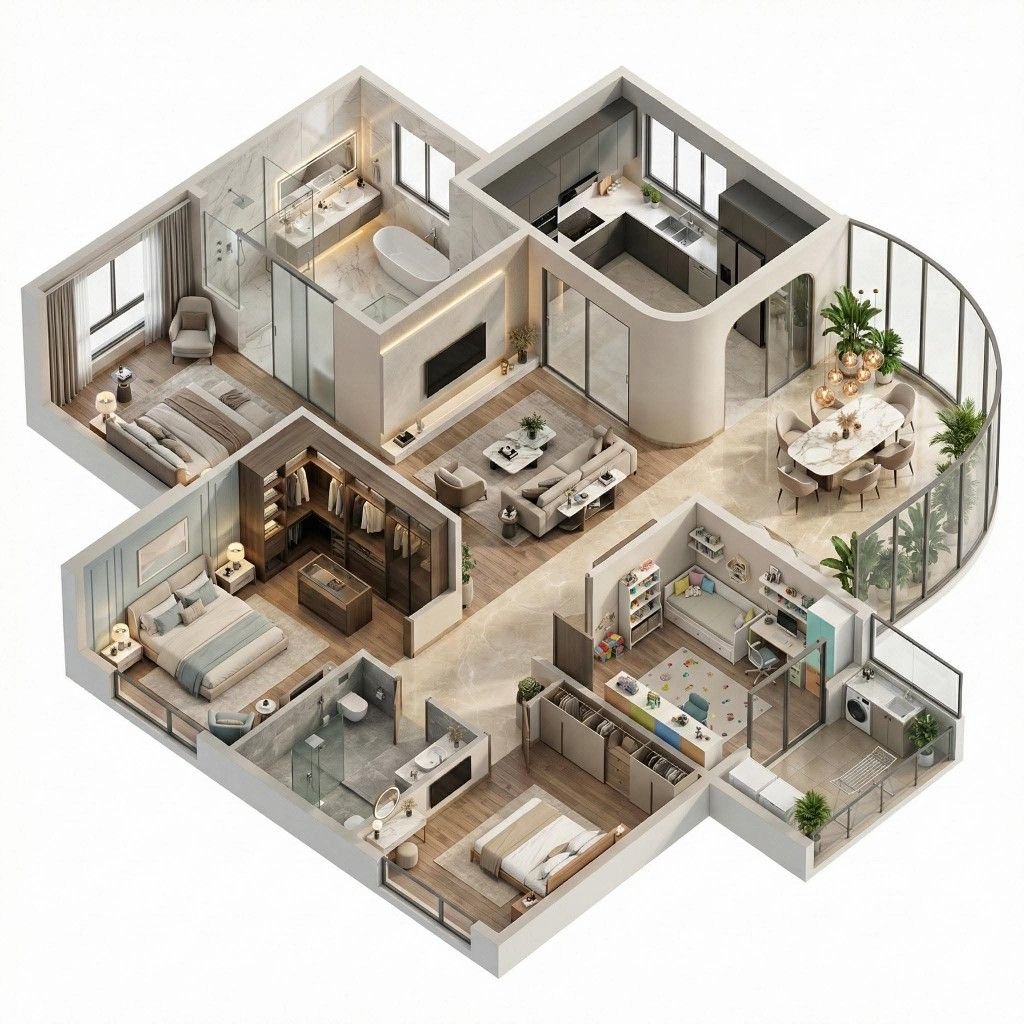
Before we jump into cost savings, let’s define what early planning includes.
Early interior planning is not just choosing colors or browsing furniture. It’s a complete, technical roadmap that includes:
Key deliverables you should finalize early
Space planning (final room sizes, circulation, zoning)
Furniture layout (so electrical points make sense)
Ceiling plan & lighting layout
Electrical drawing (switches, plugs, AC, internet, TV points)
Plumbing drawing (kitchen & toilet fixture positions, drains, water supply)
Material concept (flooring, wall finishes, wardrobes, kitchen materials)
BOQ / Cost estimate (Bill of Quantities and scope clarity)
When these are done before construction starts, the developer can build based on your real requirements—not a generic standard layout.
Why “Construction First, Interiors Later” Becomes Expensive in Bangladesh
In Bangladesh, most developers follow standard layouts because they need speed and efficiency. Without finalized interior drawings, they will:
Place electrical points where it’s convenient, not where it’s functional
Build walls and openings based on typical assumptions
Set ceiling heights without considering lighting or AC requirements
Complete plumbing lines without aligning fixture placements
Then, during interior execution, clients naturally want changes to match lifestyle needs—and that’s where costs explode.
Avoid Unnecessary Structural Modifications
Without finalized design drawings, developers construct based on standard layouts. Later, during interior execution, clients often request:
Common changes owners request later
Removing or shifting walls
Changing room sizes
Relocating doors
Adjusting false ceiling heights
These changes are not “small adjustments.” In real life, they trigger demolition, rebuilding, and extra labor.
Why it costs so much
When a wall is already built, changing it means:
Demolition labor + debris removal
Rebuilding with bricks, cement, sand
Plaster, putty, and paint repair
Sometimes electrical or plumbing rerouting
Loss of finishing quality and extra time
In Bangladesh, material prices and labor costs have gone up over time, so even minor structural changes can become a budget shock.
How early planning saves money
When the design is finalized early:
Walls are built correctly the first time
Door positions match furniture layout
Room proportions stay balanced
Ceiling drops are planned based on lighting and AC needs
You eliminate unnecessary structural changes and protect your construction budget.
Accurate Electrical Layout Prevents Costly Rework
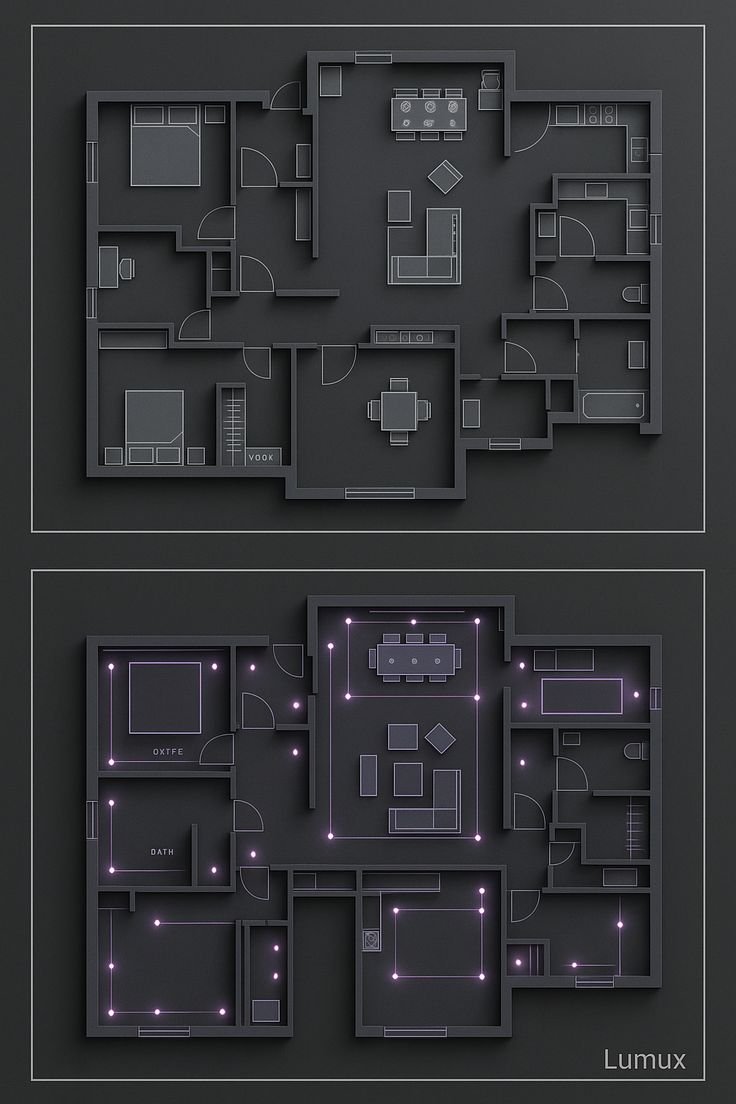
In many projects, electrical points are installed without considering furniture placement or lighting design. This results in:
Typical electrical issues in “unplanned” projects
Incorrect switchboard positions
Insufficient plug points
Poor lighting distribution
Extra wiring during interior stage
You’d be surprised how common this is: a switchboard ends up behind a wardrobe, TV points end up on the wrong wall, and plug points are missing where you actually need them.
The hidden cost of electrical mistakes
Fixing electrical mistakes often requires:
Breaking finished walls
Pulling new conduits and wiring
Patching walls and repainting
Redoing tiles in some cases
Compromising finishing quality
Even if the money seems manageable, the real damage is to your final look. Patchwork repairs rarely match the original finish perfectly.
How early design planning solves it
Early interior planning ensures:
Switchboards are placed where your hand naturally reaches
Plug points match actual furniture usage
Lighting layout supports how the space feels and functions
AC, internet, TV, and appliance points are properly coordinated
Early design planning ensures precise electrical layout aligned with furniture and functional requirements—so you don’t pay twice.
Proper Plumbing Planning Saves Major Expenses
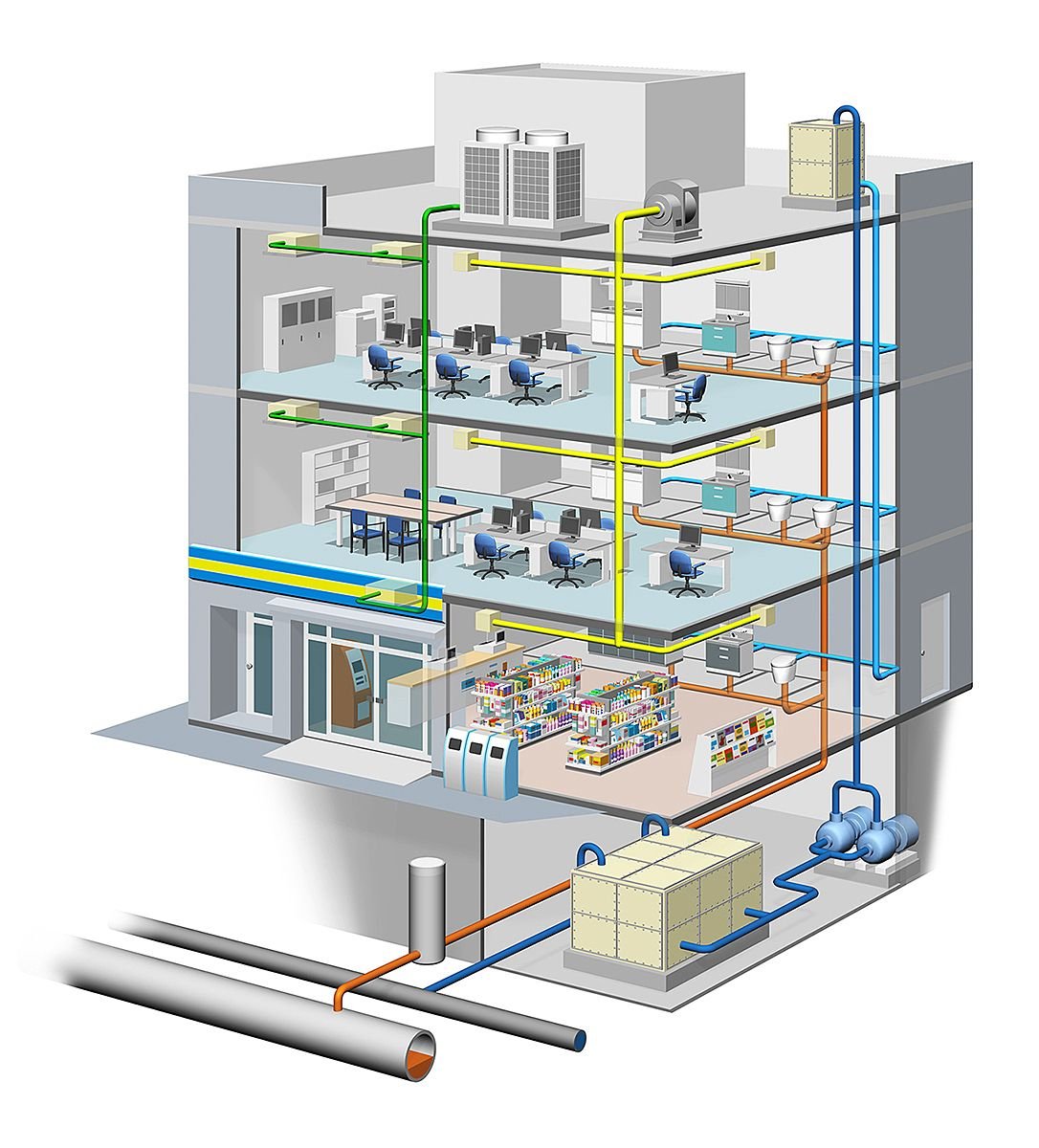
Plumbing corrections are even more expensive than electrical changes. Relocating:
Kitchen sink
Bathroom fixtures
Drainage lines
Water supply points
can involve breaking tiles, floors, and waterproofing layers.
Why plumbing changes hurt the budget most
Plumbing is deeply connected to permanent layers like:
Floor screed
Waterproofing
Tiles
Wall finishes
Drain slopes and concealed piping
Once bathrooms and kitchens are tiled, any change becomes destructive.
Real-world examples of costly plumbing rework
Moving a kitchen sink to another wall after cabinets are designed
Realizing the shower mixer is at the wrong height
Changing commode orientation for better layout
Adjusting basin position to match mirror and vanity design
Each of these can involve tile breaking, waterproofing repair, and retiling—plus the risk of long-term leakage issues if not redone perfectly.
How early planning prevents plumbing disasters
A finalized design before construction ensures:
Fixture positions are correct from day one
Drainage slopes are planned properly
Waterproofing is done once, done right
Cabinets and vanities align with plumbing lines
This prevents expensive future modifications and reduces long-term maintenance risk.
Better Budget Control and Cost Transparency
One of the biggest benefits of early interior planning is budget clarity. When design is completed early, clients benefit from:
Accurate cost estimation
Controlled material selection
Reduced wastage
Clear BOQ (Bill of Quantities)
Fewer unexpected expenses
Why BOQ matters in Bangladesh projects
In many local projects, budgeting becomes reactive:
“Let’s start and see how much it costs.”
“We’ll decide materials later.”
“We’ll add features as we go.”
This approach almost always leads to overspending.
A clear BOQ helps you understand:
What items are included
Quantities and specifications
Material categories and ranges
Where you can upgrade or downgrade consciously
Early planning reduces waste
When measurements and designs are finalized early:
Tiles can be ordered accurately
Woodwork can be cut efficiently
Lighting can be planned with correct counts
Fewer mistakes happen on-site
This gives complete financial clarity before construction investment increases.
Faster Project Completion (Which Also Saves Money)
Projects without proper planning face frequent interruptions. Workers stop, decisions get delayed, and the entire site slows down.
With early design:
Construction and interior teams work in coordination
Fewer design changes occur
Execution becomes smoother
Timeline remains under control
Why time = money in construction
In Bangladesh, delays often trigger:
Extended labor costs
Extra site supervision expenses
Repeated material transport
Rent + EMI overlap (if you’re paying both)
Business opening delay (for offices/shops/restaurants)
Even if your material budget doesn’t increase, the timeline cost becomes real money.
Coordination is the secret
When design is ready early, your teams can align:
Developer knows exact wall and opening positions
Electrical team follows a finalized plan
Plumbing team avoids re-routing
Interior execution starts immediately after handover
This is how projects stay smooth—and how you avoid the expensive “stop-start” cycle.
Extra Benefits Most Owners Don’t Think About
Early interior planning doesn’t just save money—it improves the final outcome.
Better space functionality
You get:
Smarter storage
Better movement flow
Comfortable furniture spacing
Correct dining, kitchen, and work zones
Better finishing quality
Less wall breaking = cleaner finishing:
Paint stays smooth
Tiles stay intact
Waterproofing stays strong
Ceilings remain uniform
Better design consistency
When things are planned early:
Your materials match the design theme
Lighting supports the mood
Each room feels connected and intentional
Conclusion
Early design planning is not an extra cost, it is a strategic investment.
It helps eliminate unnecessary structural changes and ensures accurate electrical and plumbing layouts, ultimately minimizing additional expenses during the interior phase.
If you are planning a new apartment, office, or commercial space in Bangladesh, complete your design before construction begins. It will protect your budget and ensure a smooth execution process.
Planning a new apartment, office, or commercial space in Bangladesh? Let’s help you save money before construction starts with a complete interior plan, electrical & plumbing coordination, and a clear BOQ.
Call: +8801896-088860
Email: info.yourfpl@gmail.com
Visit us: House #Ma-33/C/1, BASIC Lake View (3rd Floor), Hatirjheel Badda, Lake View Road, Dhaka, Bangladesh
Quick FAQs: How Early Interior Design Planning Saves Money
When should I start interior design planning?
Ideally before construction begins, right after you finalize the floor plan or get the layout from the developer.
Is early interior planning expensive?
It usually saves more money than it costs by reducing rework, demolition, and material wastage.
What do I get in early planning?
Space planning, furniture layout, ceiling & lighting plan, electrical and plumbing drawings, and a BOQ/cost estimate.
Can early planning help if my construction has already started?
Yes, early planning can still reduce future rework if you finalize drawings before electrical, plumbing, and finishing works are done.
Why is electrical planning so important?
Because wrong switch or plug positions often require wall breaking later, which increases cost and ruins finishing quality.
Why are plumbing changes more costly than electrical changes?
Plumbing corrections can involve breaking tiles, floors, waterproofing, and drainage lines—making it more expensive and risky.
Will early planning reduce my project timeline?
Yes. With clear drawings, fewer changes happen during execution, so work flows faster and smoother.
How does early planning help with budgeting?
It provides a BOQ and clearer scope, so you can estimate costs, select materials wisely, and avoid surprise expenses.
Is early planning useful for small apartments too?
Absolutely. Small spaces need smarter layouts, storage planning, and correct electrical points to stay functional and comfortable.
Do you provide both residential and commercial planning?
Yes, FLOOR PLANNER LTD. provides cost-optimized design planning for apartments, offices, shops, restaurants, and other commercial spaces.