Most people start an interior project with one big goal: “Let’s make it look beautiful.” But the projects that truly feel effortless, functional, and “expensive” aren’t built on fancy items alone. They’re built on early planning.
Because here’s the truth we see again and again: the most expensive interiors aren’t the ones with premium finishes, they’re the ones that get redesigned halfway through.
Early interior design planning isn’t an extra cost. It’s the part that protects your money, your time, and your sanity. It’s the difference between building with clarity and fixing as you go.
Let’s break this down in a real, practical way.
What “Early Interior Design Planning” Actually Means
When people hear “planning,” they imagine mood boards and pretty color palettes. Yes, that’s part of it—but early planning is much bigger than aesthetics.
Early interior planning means making key decisions before execution begins, ideally before:
construction starts
electrical work is finalized
carpentry measurements are locked
purchases are made impulsively
What’s included in early planning?
Here’s what professional early-stage planning usually covers:
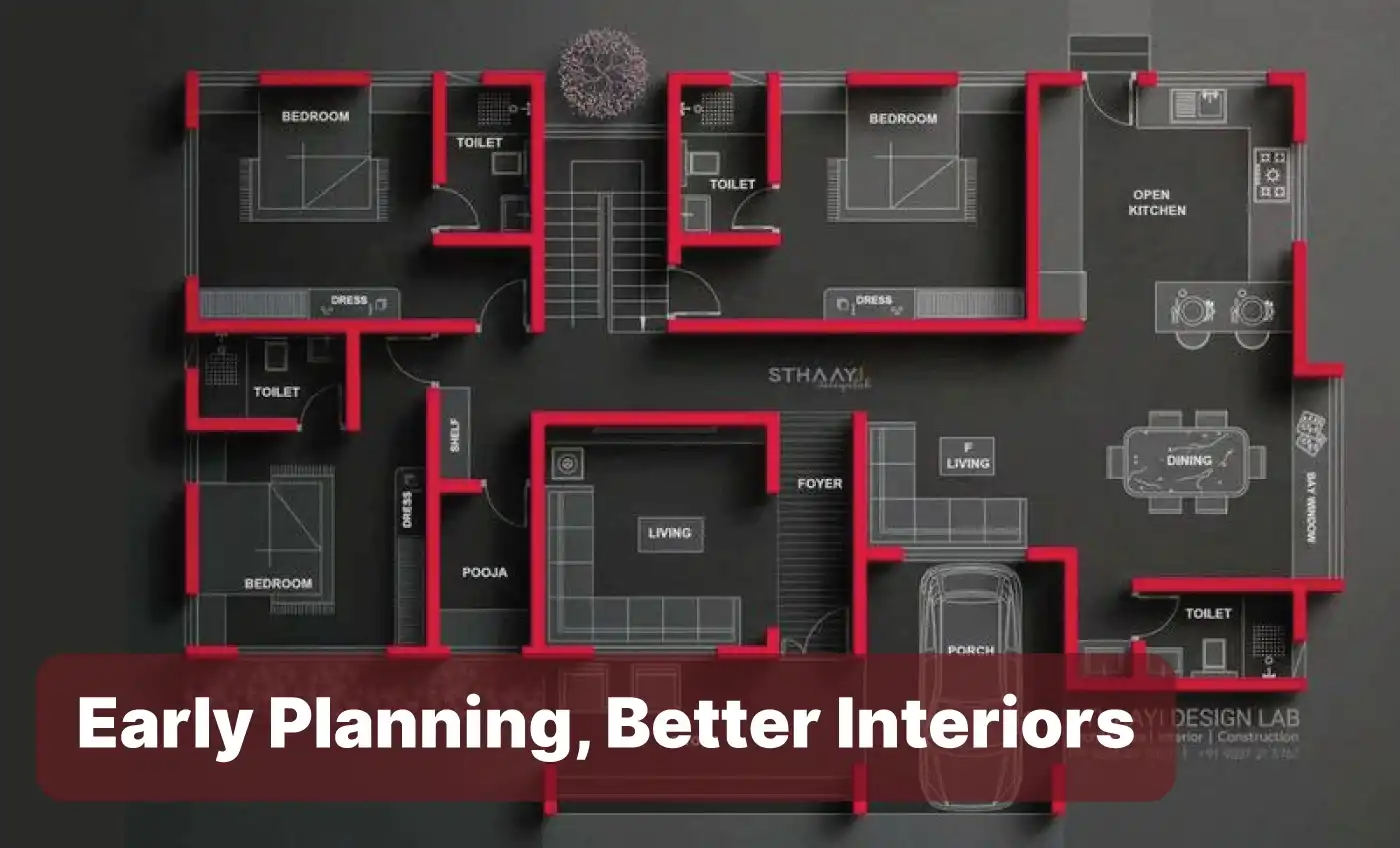
Space planning + layout flow (how you move, live, and use each area)
Zoning (where lounging happens, where work happens, where storage belongs)
Design concept (modern, minimal, warm luxe, industrial, Japandi, etc.)
Budget mapping (what to spend on, what to save on)
Material + finish strategy (flooring, paint, wall panels, countertops, hardware)
Lighting and electrical planning (points, circuits, mood lighting layers)
Furniture planning (sizes, placement, clearances, custom vs ready-made)
Storage planning (so the home stays calm after it’s “done”)
It’s basically the roadmap that prevents “pretty chaos.”
The Real Cost of Skipping Early Planning
People skip planning to “save money.” But what they’re really doing is postponing decisions until the most expensive time—during execution, when changes cost double.
Here are the most common hidden costs of late planning:
1) Rework: The Budget Killer
Tiles installed → then changed because the tone feels wrong
False ceiling done → then lighting plan updated
Wardrobe built → then doors hit the bed because clearance wasn’t planned
Rework isn’t just cost. It’s also:
wasted materials
extra labor
lost time
quality compromise (because rushed fixes rarely match the original finish)
2) Wrong Furniture = Money Down the Drain
This happens constantly:
sofa too big, blocks circulation
dining table too small, looks “floating” in the space
TV unit height uncomfortable
bed size reduces wardrobe door opening
Furniture mistakes aren’t small. One wrong purchase can eat the entire “design fee” you tried to avoid.
3) Electrical and Lighting Mistakes You Live With Every Day
This one is the most painful because it’s hard to fix later:
switchboards behind doors or curtains
no charging points near sofa/bed
harsh white ceiling lights only (no mood layering)
no mirror lights in bathrooms
under-cabinet lighting forgotten in kitchen
Even if everything looks good in photos, bad lighting makes a home feel flat and uncomfortable.
4) Poor Storage Planning = Permanent Clutter
A home isn’t messy because people are messy. Most homes become cluttered because storage wasn’t planned based on real daily life.
Examples:
no cleaning cabinet
no linen storage
no entry storage for shoes/bags/keys
no pantry logic
wardrobe interiors not planned (drawers, hanging, accessories)
Without storage, even a beautiful interior loses its calm in 30 days.
5) Delays From Last-Minute Decisions
Late decisions create a domino effect:
“We didn’t finalize tiles yet.” → bathrooms delayed
“We didn’t choose lighting.” → ceiling work paused
“Wardrobe internal layout not decided.” → carpentry stops
“That item is out of stock.” → you settle for something random
When planning is early, execution becomes smooth. When planning is late, the project becomes negotiation.
Why Early Planning Is a Strategic Investment
Let’s look at the big benefits, because this is where planning earns its value.
A) It Saves Money by Preventing Expensive Mistakes
Early planning helps you avoid:
change orders
impulsive purchases
duplicate buying
mismatch finishes
“fix it later” additions
It also allows smart budgeting:
you allocate money intentionally
you reduce waste
you avoid buying “temporary” items that become permanent regrets
Good design doesn’t mean expensive choices. It means fewer wrong choices.
B) It Saves Time and Keeps the Project on Track
When your layout, materials, and electrical plan are decided early:
contractors work faster
timelines become predictable
site coordination becomes easier
deliveries can be planned
Instead of endless decisions on-site, you’re simply executing a prepared plan.
C) It Makes the Home Work Better, Not Just Look Better
A beautiful interior is nice. A functional interior is life-changing.
Early planning improves:
circulation and walking space
privacy and zoning
furniture comfort
storage convenience
natural light usage
daily routines (kitchen workflow, dressing zone logic, etc.)
Function is what makes a space feel “premium” every single day.
D) It Helps You Spend Where It Matters Most
Strategic planning teaches you one thing:
You don’t need everything high-end. You need the right things high-end.
For example:
invest in sofa comfort, kitchen hardware, and lighting
save on decor, handles, or an accent chair
choose durable, easy-maintenance finishes for high-traffic areas
create “wow” moments in a few places instead of overspending everywhere
Planning gives you priorities. Priorities protect budgets.
Where Early Planning Creates the Biggest ROI
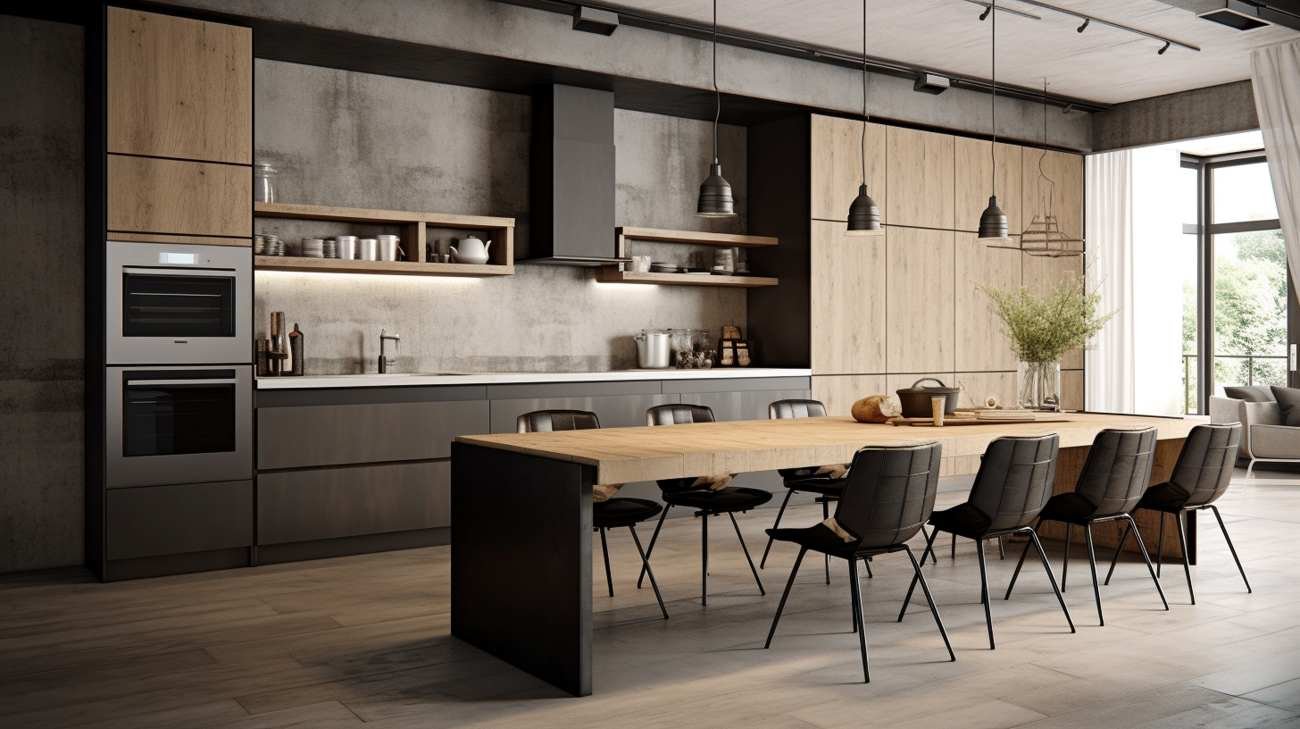
Some areas give massive returns when planned early. Here are the top ones:
1) Kitchen Planning: Workflow = Everything
The kitchen is not just cabinetry—it’s a system.
Early planning ensures:
correct work triangle (sink–stove–fridge logic)
appliance placement that doesn’t fight with doors and drawers
proper pantry zone
enough countertop landing space
storage categories (spices, plates, pots, cleaning, dry goods)
A well-planned kitchen saves time every day, for years.
2) Lighting Plan: The Difference Between “Okay” and “Wow”
Lighting is the fastest way to make a home feel expensive—without expensive furniture.
Early planning allows layered lighting:
ambient (general)
task (work areas like kitchen, desk, vanity)
accent (wall wash, art light, niche lights, cove lighting)
And it ensures practical details:
switches placed logically
dimmers where needed
warm vs neutral tone decisions
power points where you actually use them
3) Built-In Furniture: Small Errors Become Big Daily Problems
Wardrobes, TV units, vanities—these are “fixed” elements. Mistakes become permanent.
Early planning solves:
correct depths and clearances
wardrobe internal layouts (drawers, hanging, shelves)
mirror placement + lighting
proportions and alignment across the wall
4) Small Apartments: Every Inch Needs a Job
In compact homes, early planning isn’t optional—it’s survival.
It helps with:
multi-functional furniture decisions
hidden storage solutions
visual openness (glass, light tones, minimal partitions)
avoiding oversized pieces that shrink the space
5) Material Selection: Maintenance Savings You Don’t Think About
Some finishes look amazing on day one and become stressful by month two.
Early planning helps you choose:
stain-resistant surfaces
easy-to-clean wall finishes
durable flooring for high-traffic zones
hardware that lasts (hinges, channels, drawer systems)
A smart interior isn’t just stylish—it’s easy to live with.
Plan Early vs Plan Late: A Quick Reality Check
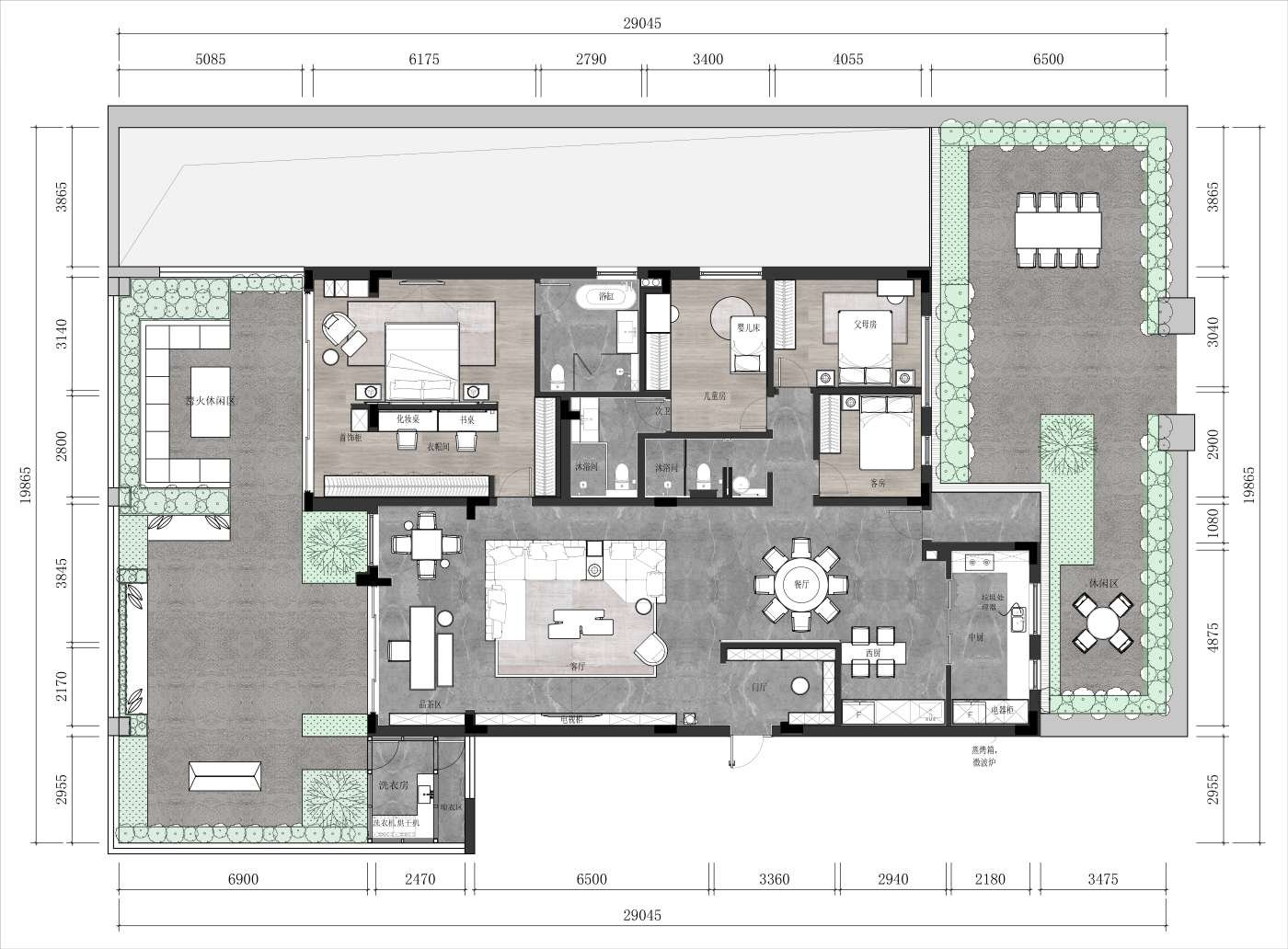
When you plan early, you get:
✅ clear layout + furniture sizing
✅ controlled spending
✅ fewer site changes
✅ better lighting
✅ smoother execution
✅ a home that feels intentional
When you plan late, you often get:
❌ rushed purchases
❌ budget creep
❌ “temporary fixes” that become permanent
❌ rework and delays
❌ compromises because decisions come too late
This is why planning isn’t an extra—it’s insurance.
How to Start Early Planning (Without Feeling Overwhelmed)
You don’t have to plan everything in one day. You just need the right order.
Step 1: Define Your Lifestyle Needs
Ask:
Who lives here, and what’s your daily routine?
Do you host guests often?
Do you work from home?
Do you need more storage, more seating, or more open space?
Step 2: Set a Budget Range (With Priorities)
Even a rough range helps. Then decide:
must-haves
nice-to-haves
“not necessary” items
Step 3: Choose a Clear Design Direction
Pick a style direction early so every decision stays consistent:
modern minimal
warm contemporary
luxe neutral
industrial modern
Scandinavian/Japandi
classic contemporary
Step 4: Lock the Layout First
Layout decisions impact everything:
electrical points
ceiling plan
furniture placement
storage design
Step 5: Finalize Electrical + Lighting Before Execution
This step alone prevents so many regrets.
Step 6: Confirm Furniture Sizes Before Buying
Even if you’re not buying yet, decide dimensions early so circulation stays comfortable.
Step 7: Build a Simple Timeline
Break the project into milestones:
layout final
electrical plan final
materials final
carpentry final
paint + finishes
final styling
Designer’s Tip: Decide These Early (Non-Negotiables)
If you decide only a few things early, make it these:
layout and zoning
electrical points + switch placements
lighting layers (not only ceiling lights)
flooring and wall finish direction
storage planning (entry, wardrobes, kitchen)
key furniture dimensions
kitchen and bathroom detailing
These decisions are hard to fix later—so they deserve early attention.
Final Thoughts
When you plan early, your home comes together like a story—smooth, connected, and intentional.
When you plan late, the project becomes a patchwork of urgent decisions.
So yes, early interior design planning has a cost.
But it’s not an extra cost.
It’s a strategic investment that saves you:
money (by avoiding mistakes)
time (by reducing delays)
stress (by giving clarity)
and long-term comfort (by designing for real life)
Because the best interiors aren’t the ones with the highest budget.
They’re the ones with the smartest plan.