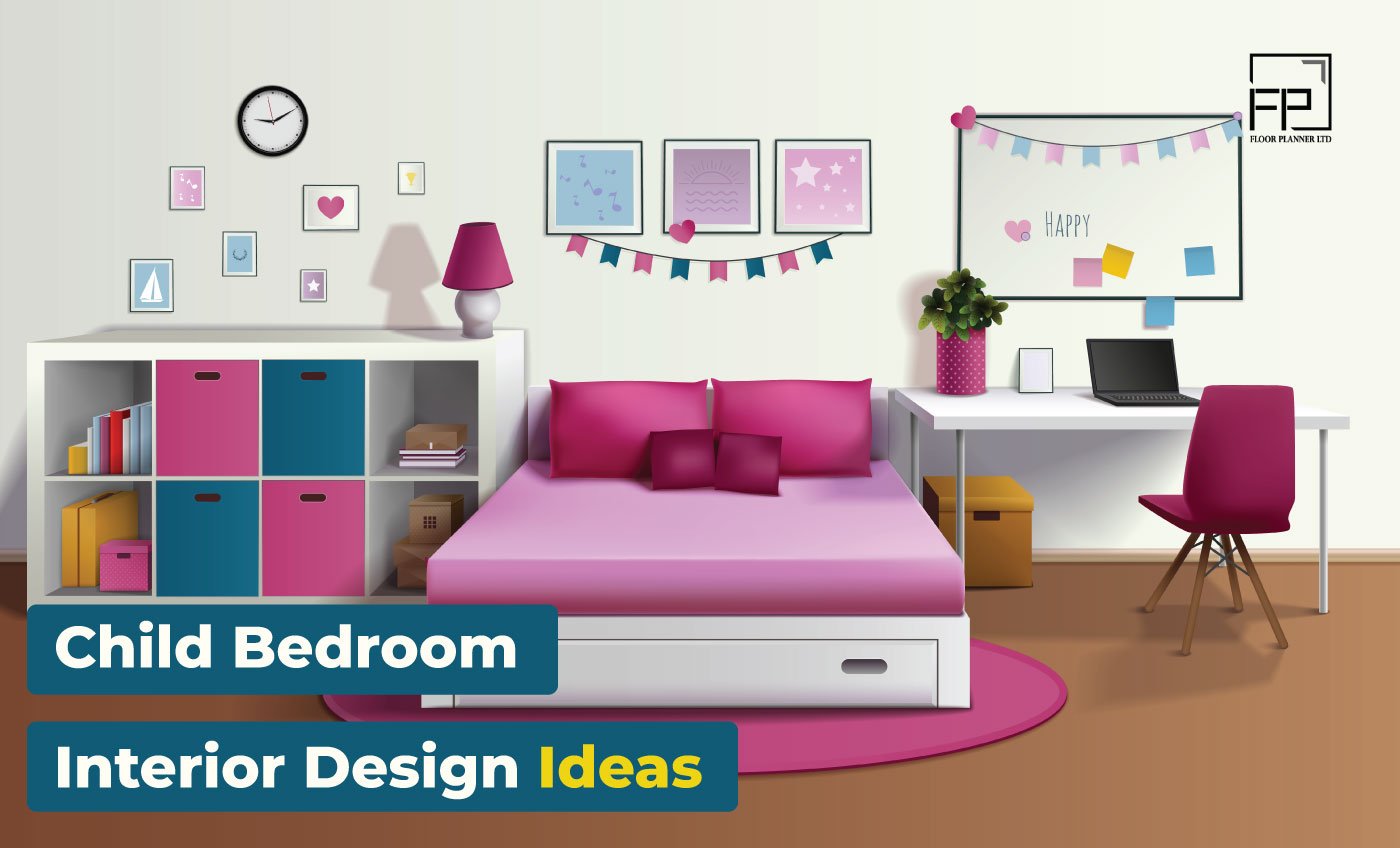
In Dhaka, space is precious and the weather never plays fair, hot, humid, sometimes wild. But every parent still dreams of one thing: a bedroom where their child’s imagination runs free. A cozy world of laughter, comfort, and little adventures.
Picture this: a rocket-ship bed, a tiny tent for bedtime stories, walls that glow softly like sunshine. Sounds dreamy? It’s totally possible.
This guide will show you how to turn even a small room into a wonderland, with mood-boosting colors, smart furniture that grows with your child, and design ideas made for Dhaka’s climate and lifestyle.
By the end, you’ll know exactly how to create that magical moment, when your child opens the door, their eyes light up, and the room feels like pure joy.
Smart Child Bedroom Designs in Dhaka
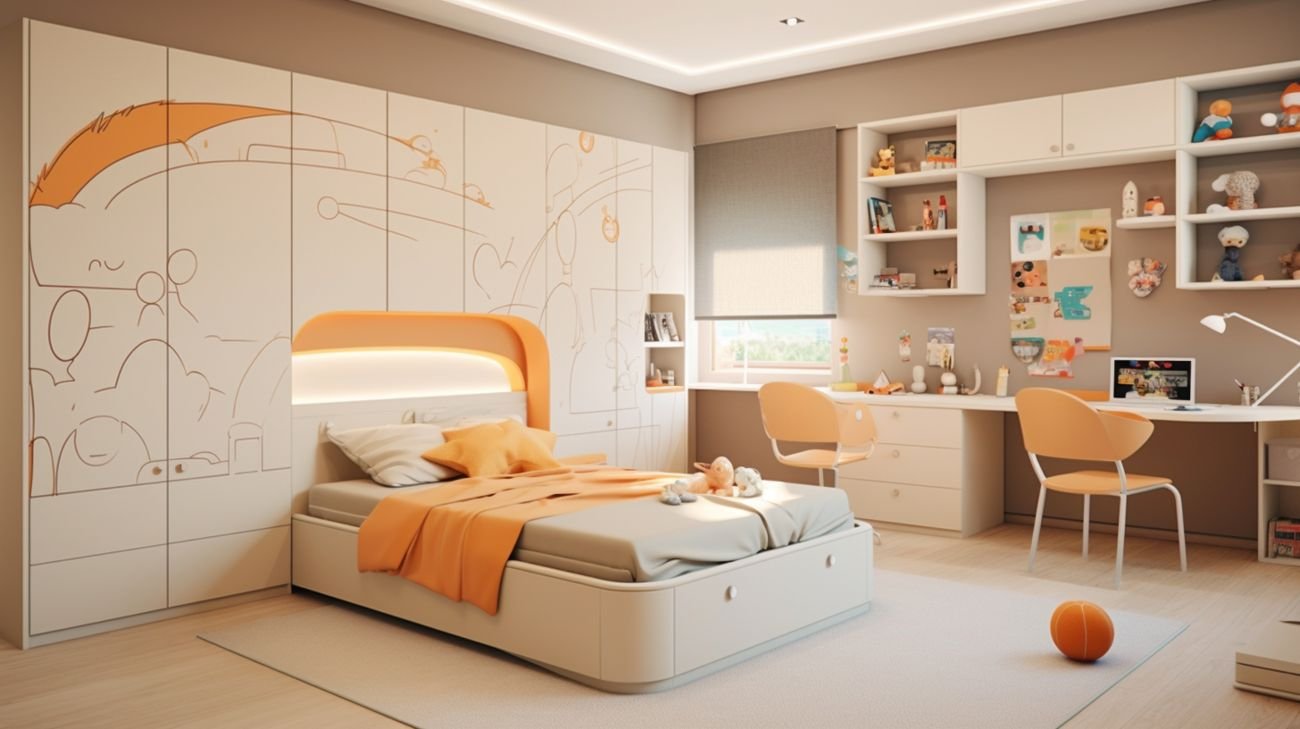
Colors That Shape Moods – The Psychology of Paint
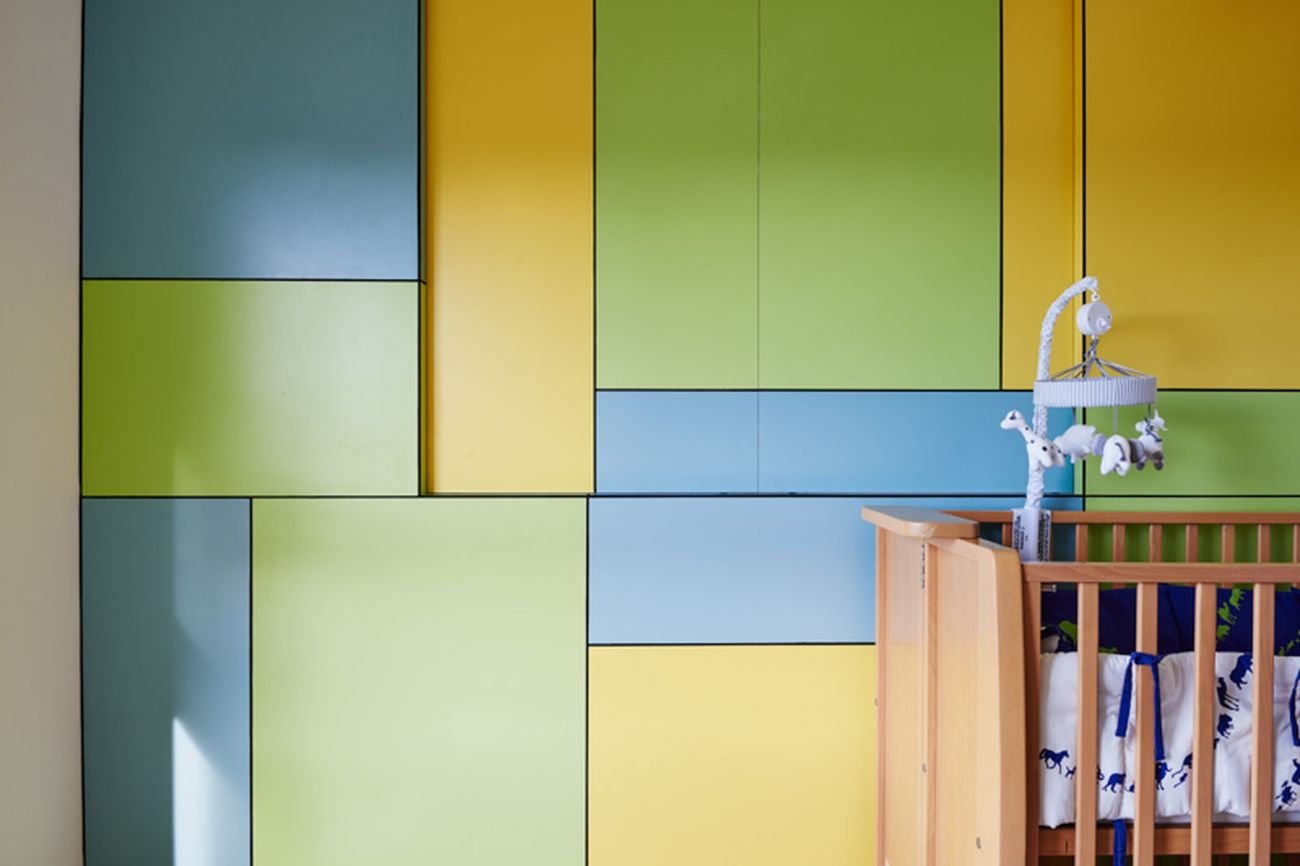
Colour isn’t just decoration; it changes how your child feels. Psychologists and designers have found that colours influence mood and behaviour in specific ways. Choosing the right palette can create a calm study nook or an energetic play zone without any extra furniture.
What Colors Do For Kids
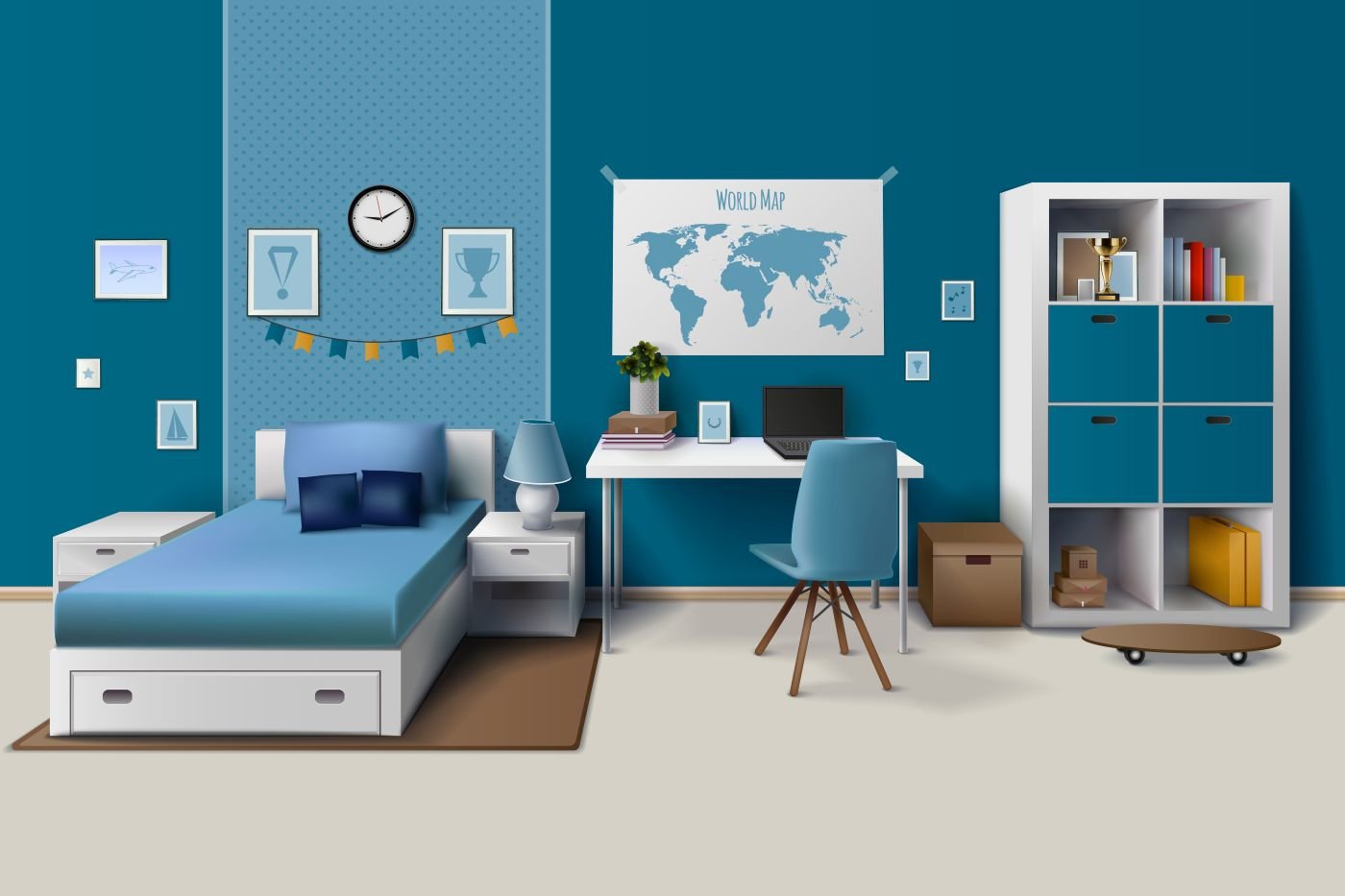
Blue – Calming & Focus‑Enhancing: Light blues create a peaceful atmosphere and encourage concentration. Use blue in study areas or near desks.
Green – Balancing & Refreshing: Green improves reading ability and reduces anxiety. It’s perfect for rooms used for studying, arts or crafts.
Yellow – Energizing & Cheerful: Soft yellow sparks creativity and optimism. Vibrant yellow accents energise play corners without overwhelming the senses.
Pink & Peach – Comforting & Warm: Soft pink tones create a nurturing environment. Peach and cream provide warmth and emotional security, making them ideal for sleeping areas.
Orange & Red – Stimulating & Bold: Warm colours like orange encourage socialization and play but can overstimulate when overused. Use them as accents rather than dominant shades.
White & Neutral – Versatile & Adaptable: Neutral shades like white, beige or light grey provide a calm base. They reflect heat and keep rooms airy in Dhaka’s climate.
Create a Balanced Palette
Kids respond intensely to color, so balance is crucial. Start with a neutral backdrop on the walls and layer color through furniture, textiles and art.
Use one accent wall in a favorite color to personalize the space without overwhelming it. As your child grows, you can swap out cushions, curtains and décor without repainting the entire room.
Pastel tones are more than pretty; they help keep interiors cool by reflecting heat. In Dhaka’s humid weather, soft mint, pale blue or light peach make the space feel airy.
Many parents in Bangladesh swear that repainting their child’s room in a soft mint improved sleep quality and morning mood, anecdotal yet powerful evidence of color psychology at work.
Smart Furniture Ideas That Grow as Your Child Grows
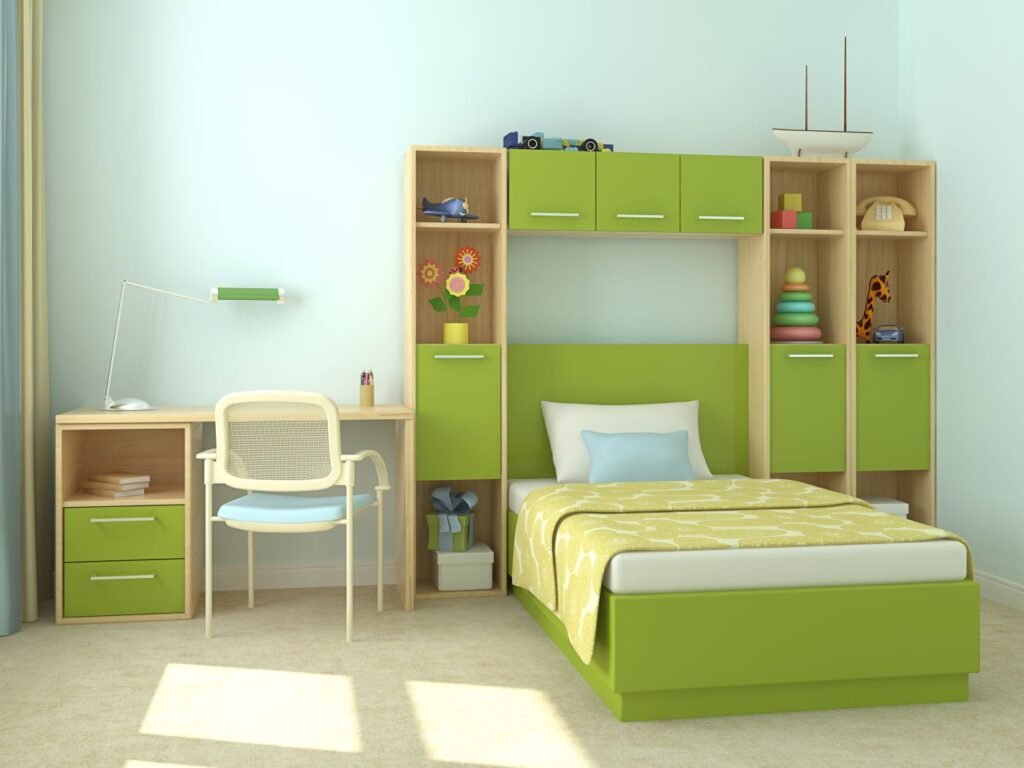
Kids grow faster than we expect, and their furniture should keep up. Investing in adjustable, multi‑purpose pieces saves money, saves space and saves your sanity.
Convertible and Multi‑functional Furniture
Modern Dhaka apartments embrace multifunctional furniture to maximize every inch. Convertible bunk beds, minimalist single beds and study units with bookshelves are among the most popular choices.
Interior designers recommend furniture that adapts from toddler to teen convertible cribs that become toddler beds and then full‑size beds, desks with adjustable heights, and modular shelves.
The convertible furniture set is a smart choice for child bedrooms. These sets combine beds, desks and storage into one unit so the room stays neat and spacious. They grow with your child: a crib turns into a bed, small desks expand for schoolwork and storage units adjust in height.
Such multi‑functional pieces often include loft beds with desks below, storage ottomans that double as seating and fold‑out desks that disappear when not in use.
Space‑saving basics
Beds with storage: Use drawers beneath the mattress for clothes, toys or blankets.
Wall‑mounted shelves: Shaped like trees, clouds or favourite characters, they keep books and toys within reach.
Toy storage benches: Benches that hide clutter but also work as reading seats.
Adjustable study tables: Ergonomic desks with built‑in shelves or foldable surfaces let your child grow from finger‑painting to algebra without needing a new table.
Slide‑out drawers and pull‑out trundles: Provide extra sleeping space for sleepovers.
Materials That Last
Kids’ furniture needs to be sturdy, safe and gentle on the environment. Wooden frames offer strength and a natural look, while metal adds durability for bunks.
Thick plastic parts can be used for colorful accents as long as they’re high quality. Always check that paint and finishes are non‑toxic and low in volatile organic compounds (VOCs).
Local brands like Nippon’s Spot‑less Plus use silver‑ion technology to protect surfaces from bacteria and offer ultra‑low VOC, non‑toxic finishes. Berger’s Breathe Easy ViraCare paint is certified by Singapore’s Green Label and offers low VOC, odor‑free protection.
Custom Furniture Beats Ready‑made
Off‑the‑shelf furniture often comes in bulky standard sizes. Custom pieces can fit your room perfectly, come in playful themes and feature rounded edges with non‑toxic finishes. They might seem pricier up front but save money by lasting longer and fitting your exact space.
A Mirpur success story
In a Mirpur apartment, siblings aged seven and nine shared a 9×12 ft room. Floor Planner Limited designed a custom bunk bed with a pull‑out trundle for sleepovers, a study desk attached to the lower bunk and modular storage cubes that the kids could rearrange.
The children helped choose pastel green and yellow finishes, giving them a sense of ownership. Their mother reports that the kids now make their beds and keep their books organized, small victories that matter.
Lighting Magic – From Homework Glow to Bedtime Dreams
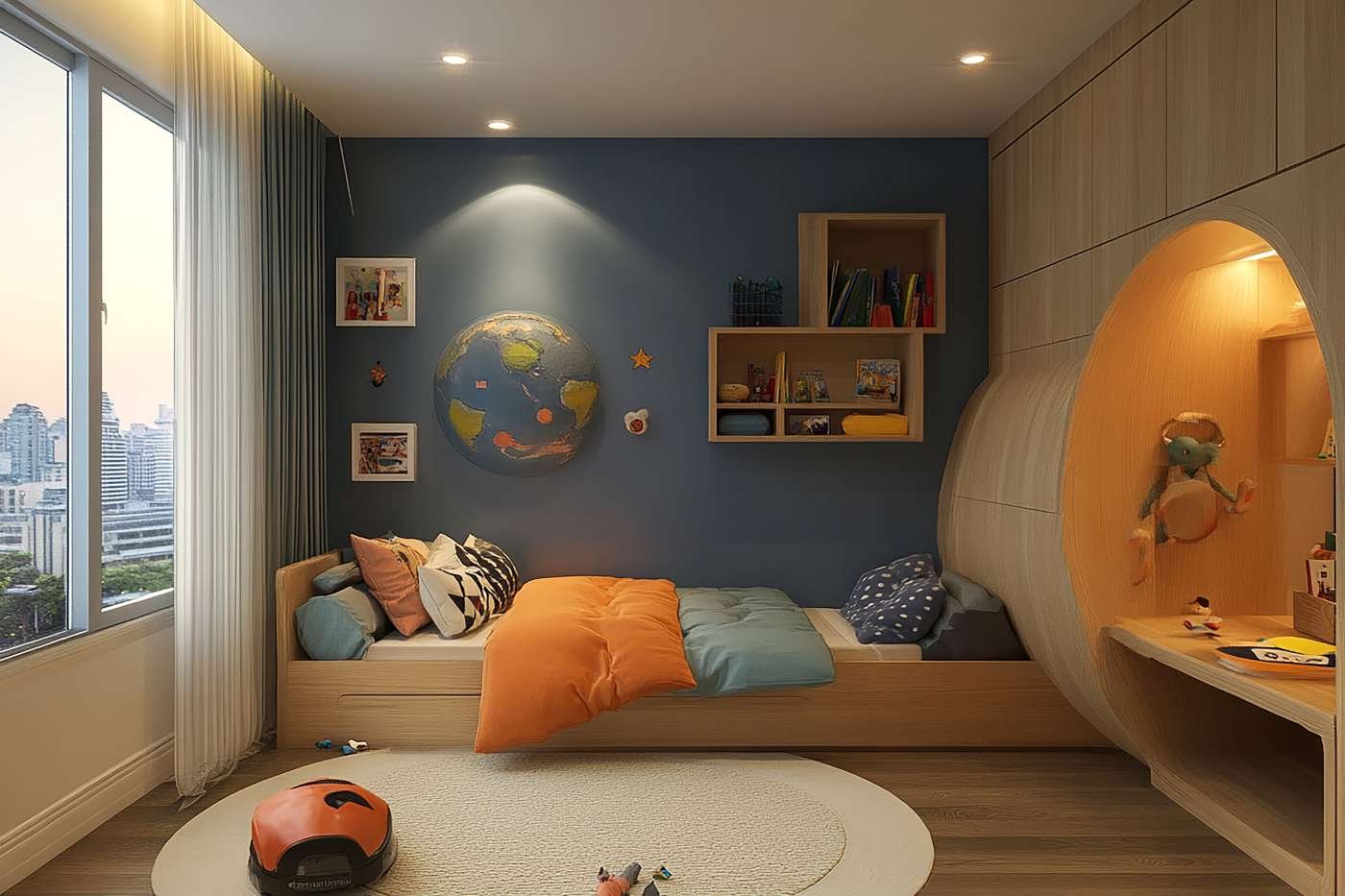
Lighting shapes everything from focus during homework to the comfort your child feels when drifting to sleep. In Dhaka’s monsoon seasons, natural light is sometimes scarce, so it’s important to plan a mix of light sources.
Layered lighting
Experts recommend a layered lighting approach with three types of light:
Ambient light: A ceiling or wall light provides general brightness for playtime and daily activities. Choose LED fixtures that mimic natural daylight to keep your child’s circadian rhythm stable.
Task lighting: A desk lamp or wall‑mounted reading light focuses brightness on study areas. Look for adjustable lamps with warm white bulbs to reduce eye strain during homework sessions.
Accent lighting: Night‑lights, fairy lights or soft LED strips add warmth and magic. A canopy of fairy lights over the bed can make bedtime feel like a camping adventure.
Natural light and well‑being
Natural light has been linked to improved mood and cognitive performance. One study found that exposure to daylight in learning environments improved student performance by up to 14%.
It also regulates sleep and reduces anxiety. In Dhaka’s humid climate, large windows with sheer curtains allow daylight in while maintaining privacy.
If your child’s room lacks windows, mimic natural light with warm LED strips around windows or behind shelves. Soft yellow bedside lamps can make children feel safer and help them settle into sleep, a trick many Dhaka parents swear by.
Lighting for climate control
During the monsoon or power outages, rely on warm LED bulbs instead of incandescent bulbs, which generate heat and add to humidity. LED strips tucked under shelves or around the ceiling create an ambient glow without warming the room.
Creative Corners That Make Kids Fall in Love With Learning
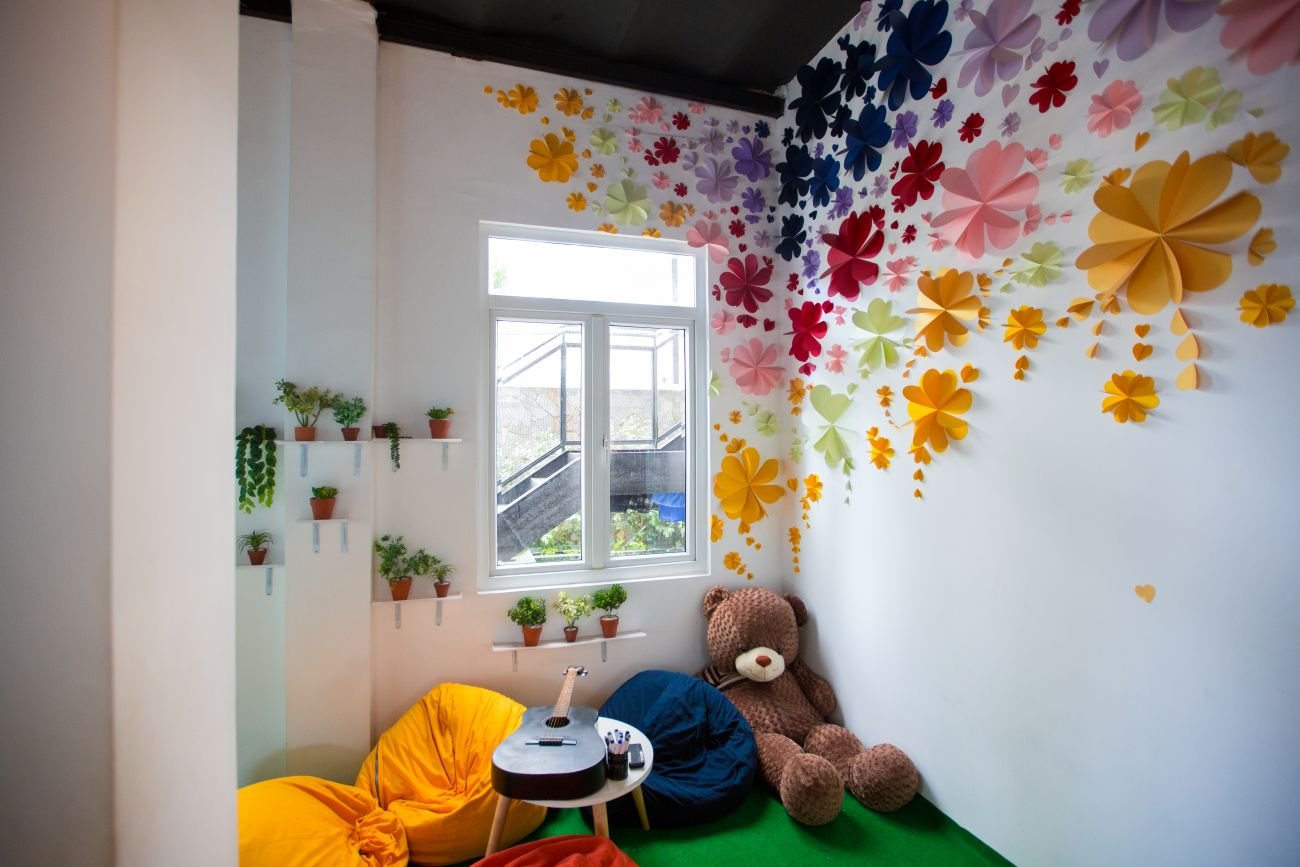
A single corner can change everything. Creating dedicated zones for reading, art and adventure makes a small room feel bigger and encourages children to focus on one activity at a time.
According to organization experts, dividing a kid’s room into zones for different activities, such as a reading nook, play area and study space, helps contain messes and makes clean‑up easier.
Reading nook
Transform a corner into a cosy reading space by hanging a fabric canopy or setting up a small tent. Add floor cushions and a soft rug to create a nest where your child can escape into stories. A low bookshelf filled with picture books encourages independence because your child can pick their own bedtime story.
Art corner
Use chalkboard paint or a magnetic whiteboard on one wall so your child can draw freely without ruining the paint. Install floating shelves or pegboards for craft supplies. Label bins for crayons, paper and glue, when children help choose and organise their supplies they are more likely to put them away.
Adventure wall
Spark imagination with a wall mural of space, jungle animals or maps of the world. For older kids, attach climbing grips or rope ladders (with proper supervision). You can also add removable wall decals to change themes as they grow.
Encourage ownership
Let your child participate in decorating their zones, choose the pillow colours together or let them draw a picture to frame. Involving them in decisions fosters independence and respect for their space.
Safety + Style – The Non‑Negotiables
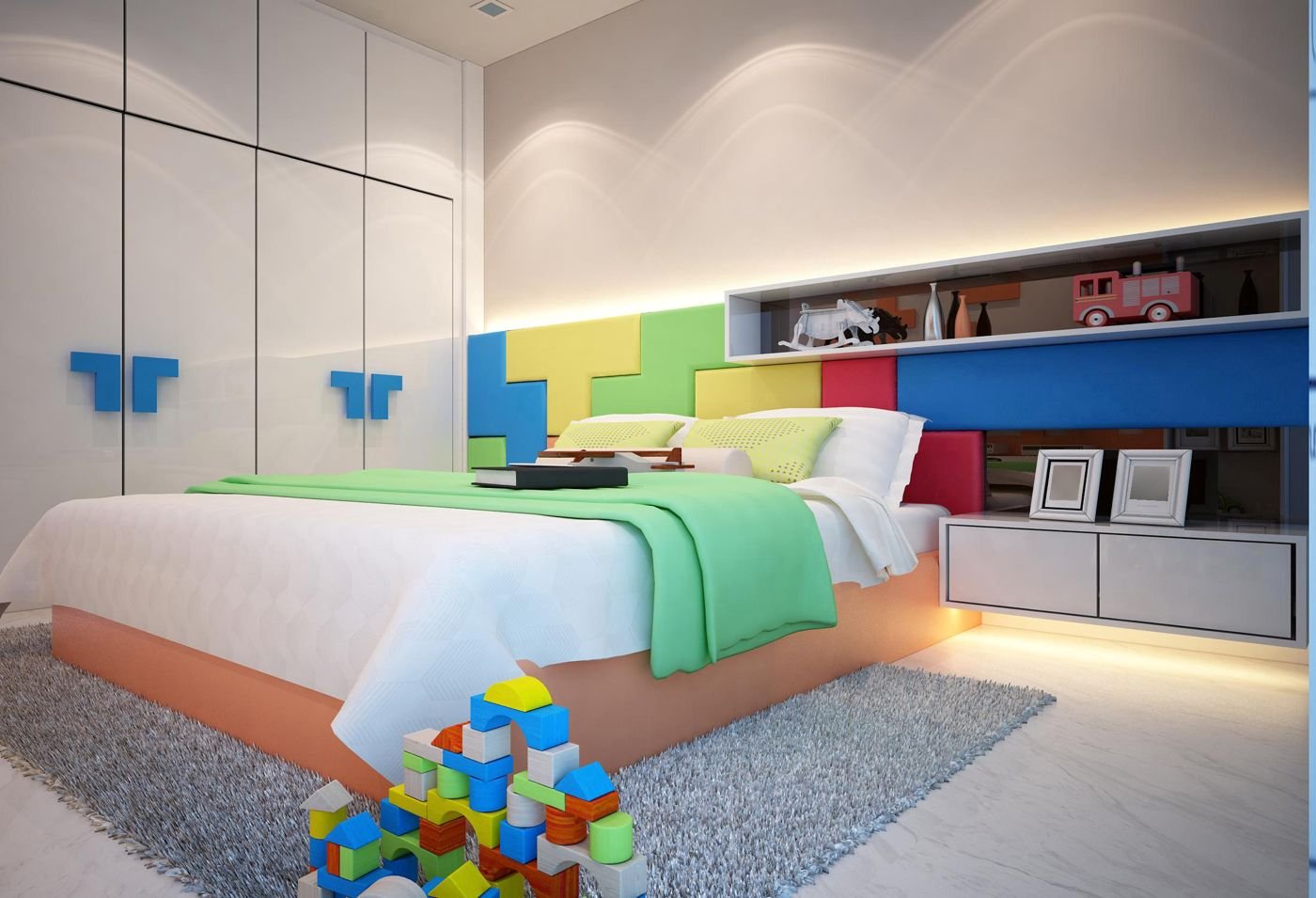
Safety should never be sacrificed for style. Creating a safe environment doesn’t mean dull design; it means using materials and shapes that protect your child while keeping the room beautiful.
Safety checklist
Rounded corners: Choose furniture with rounded edges and secure heavy items like wardrobes to the wall to prevent tipping.
Non‑toxic materials: Use child‑safe paints, finishes and furniture. Nippon Spot‑less Plus paint offers ultra‑low VOCs and anti‑bacterial properties, while Berger’s Breathe Easy ViraCare eliminates 99% of viruses and bacteria, is low‑VOC and odour‑free.
Secure storage: Wall‑mounted shelves prevent tipping hazards. Keep cords out of reach and secure window locks.
Anti‑slip rugs: Use light cotton or jute rugs that don’t trap moisture. Heavy carpets can breed bacteria and mould in humid weather.
Proper ventilation: Ensure cross‑ventilation or install ceiling fans and mosquito nets for comfortable sleep.
Hidden wires: Conceal electrical cords behind furniture or inside cord covers to avoid tripping and chewing hazards.
Humidity‑proof furniture: Avoid bare MDF without waterproof coating, which warps in Dhaka’s humidity. Use marine plywood or sealed solid wood instead.
Indoor plants: Spider plants, ferns and peace lilies absorb humidity and improve air quality.
Budget‑Friendly Design Secrets for Dhaka Parents
Designing a beautiful child’s room doesn’t have to break the bank. Here are practical tips to stay within budget while achieving a stunning result.
Know your budget range
Interior design costs in Bangladesh typically range from Tk 1,000 to Tk 3,000 per square foot. Another estimate suggests that total project costs for residential interiors can vary from Tk 50,000 to Tk 500,000 depending on size, materials and complexity.
To plan your budget, multiply your room’s square footage by your chosen per‑square‑foot rate. For example, a 100‑sq‑ft (10×10 ft) room could cost Tk 100,000 at Tk 1,000 per square foot or Tk 300,000 at Tk 3,000 per square foot.
Experts suggest allocating 7–10% of your home’s value for mid‑range interior design. For premium finishes, plan up to 25%. If your home is valued at Tk 30 lakh, set aside Tk 2–3 lakh for a child’s room. Remember, costs vary depending on materials; imported hardwood and marble will increase the budget.
Cut Costs Without Cutting Corners
Focus on essentials: Colour, lighting and furniture arrangement have the biggest impact. A good layout and palette can transform a room without expensive materials.
Choose affordable finishes: Laminate or vinyl flooring costs less than marble or hardwood. Paint or wallpaper is cheaper than decorative wall panels.
Reuse and upcycle: Give old furniture a new life by repainting or reupholstering. Build shelves from wooden crates or pallets. Upcycling reduces waste and adds unique character.
DIY decor: Make art with your child or craft name plaques. Handmade décor adds personality and saves money.
Prioritise functional furniture: Invest in one convertible bed or desk; skip expensive matching sets. Multi‑purpose furniture saves you from buying extra pieces later.
Shop local: Look for deals at Mirpur Ceramic for tiles, Elephant Road for hardware and Islampur or New Market for fabrics. Locally sourced materials cost less than imports and support local businesses.
Sample budgets
Small budget (Tk 40,000–80,000): DIY paint job with moisture‑resistant paint, laminate flooring, basic convertible bed with storage, simple shelving and fairy lights. Add a homemade tent or reading nook using cushions and curtains.
Medium budget (Tk 80,000–150,000): Semi‑custom bunk bed with study desk, modular storage, moisture‑resistant paint, quality lighting fixtures, themed wall decals and a rug. Include one accent wall with washable wallpaper.
Premium budget (Tk 150,000+): Custom furniture with eco‑friendly materials, vitrified tile flooring, lime plaster walls, layered lighting with dimmers, themed murals by a local artist, humidity‑resistant air conditioning and high‑quality cotton or linen textiles.
Financing your project
Some interior designers allow you to pay in instalments, and certain banks offer home improvement loans. But be cautious; only borrow what you can comfortably repay. Instead of paying for every upgrade at once, start with the essentials (safe furniture, paint, lighting) and add décor over time.