
The bedroom is arguably the most vital space in a Dhaka apartment. It is your ultimate sanctuary, the decompression chamber that insulates you from the city’s relentless noise, heat, and pace.
A well-executed renovation does more than just update the aesthetics; it fundamentally improves your quality of life, sleep, and mental well-being.
This comprehensive guide is designed to take you, the Dhaka homeowner, through every intricate step of your bedroom renovation journey, from initial conceptualization and budgeting in the local context, to the final styling, ensuring your new space is both beautiful and perfectly adapted to the unique challenges of metropolitan Bangladesh.
The Strategic Planning & Conceptualization
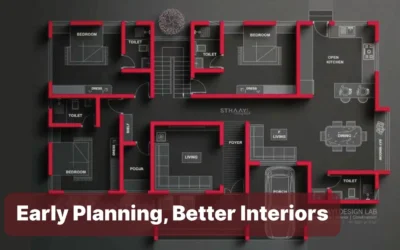
A successful renovation is 90% planning and 10% execution. Skipping this phase leads to budget overruns, timeline delays, and frustrating compromises.
Your Vision: Aesthetics Meets Function
In Dhaka, a bedroom must be an oasis. Your design style should support this goal.
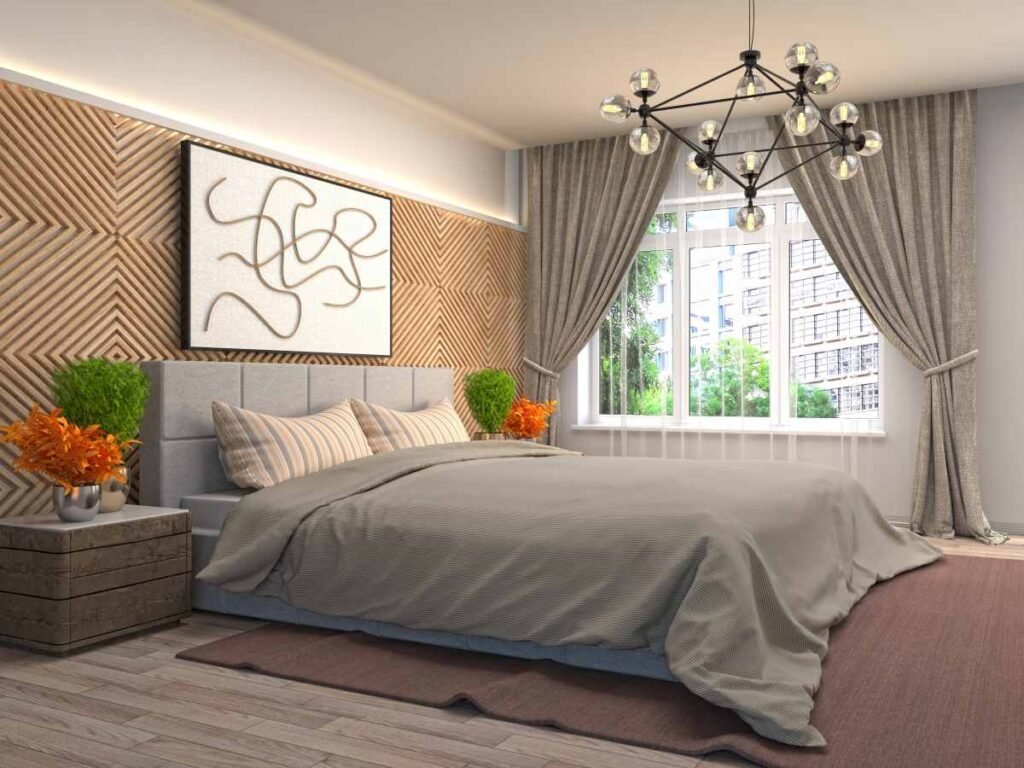
Modern Minimalist (Sleek & Space-Saving): The most popular choice for compact Dhaka flats. It focuses on clean lines, a monochromatic or light color palette (white, beige, light gray), and, critically, hidden storage. This style thrives on the illusion of space. Furniture is low-profile and multi-functional.
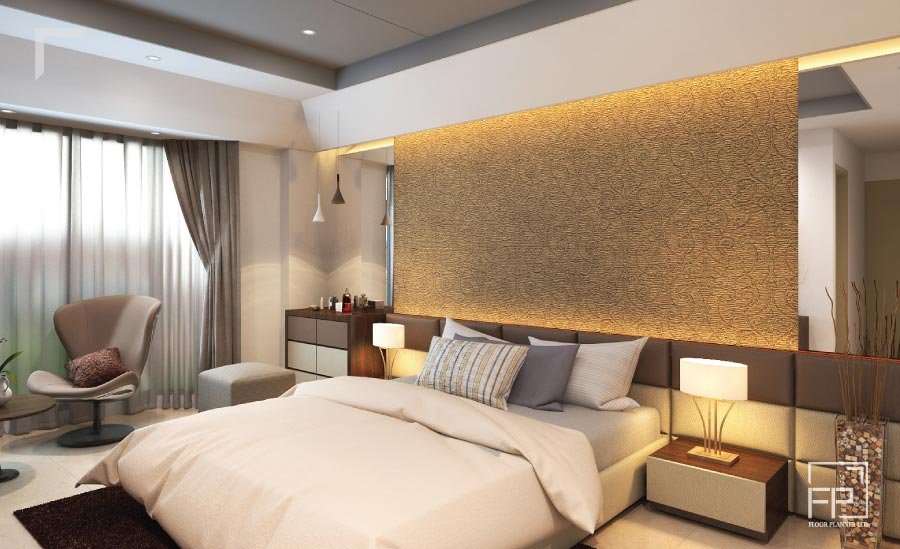
Contemporary Chic (Textured & Luxurious): A blend of modern practicality with opulent touches. Think velvet upholstery, lacquered wood or mirrored finishes, and strategic use of accent lighting. It creates a hotel-like, high-end feel often desired in premium areas like Gulshan or Banani.
Neo-Traditional Bengali (Warm & Heritage-Focused): This style incorporates the rich warmth of local aesthetics. Use deep-toned, locally sourced wood (like Teak or Mahogany), and integrate indigenous textiles such as Nakshi Kantha or rich silk/cotton blends for curtains and bedding. It offers a comforting, grounded atmosphere.
The Climate Imperative: Remember Dhaka’s high heat and humidity. Your design must prioritise air flow and light management. Heavy, dark fabrics or wall-to-wall carpets are generally ill-suited.
The Dhaka Budgeting Reality: Material & Labor Costs (2025 Outlook)
Renovation costs are highly volatile in Dhaka due to rising material and skilled labor wages. For a standard master bedroom renovation (approx. 120-150 sq. ft.), here’s a breakdown:
| Component | Estimated Cost Range (BDT) | % of Total Budget (Mid-Range) | Key Local Considerations |
| Custom Woodwork & Cabinetry | 1,50,000 – 3,50,000 | 40% – 55% | Wardrobes (Sliding doors save space), Bed with Storage, Side Tables. MDF, Melamine, or Wood Veneer. |
| Civil Work & Flooring | 50,000 – 1,20,000 | 10% – 20% | Re-tiling (Porcelain/Ceramic are common), wall plastering, false ceiling construction. |
| Electrical & Lighting | 30,000 – 70,000 | 8% – 12% | New wiring, switchboards (smart options are trending), recessed LED lights, accent lighting. |
| Paint & Finishing | 20,000 – 50,000 | 5% – 10% | Low-VOC paint (recommended for health), textured paint for accent walls. |
| Furniture & Soft Furnishings | 50,000 – 1,50,000 | 10% – 20% | Mattress, Curtains/Blinds, Rug, Decorative Items. |
| Contingency Fund | 10% – 15% of Subtotal | Crucial | To cover unexpected costs (e.g., discovering dampness or hidden pipes). |
Total Mid-Range Estimate: A comprehensive master bedroom renovation typically starts from BDT 3,00,000 and can easily exceed BDT 6,00,000 for a luxury, custom-designed space.
Cost Management: Be precise about materials. Pure Burmese Teak will cost significantly more than Engineered Wood (MDF/Particle Board), which is popular for its uniform finish and cost-effectiveness.
The Technical Execution and Space Maximization
Dhaka apartments often lack generous floor space. The execution phase must be guided by sophisticated space planning and engineering.
Advanced Space Planning: Making Every Inch Count
The goal is to create unobstructed floor space and visual lightness.
Vertical Storage is Your Ally: In a compact room, the solution is always to go up.
Floor-to-Ceiling Wardrobes: Custom-built closets should occupy the entire height and width of a wall. This seamless look eliminates dust-catching gaps and maximizes storage volume.
Sliding Doors: For wardrobes, a sliding door mechanism is non-negotiable in small spaces, as it eliminates the need for door swing clearance, which can free up almost a full square meter of usable space.
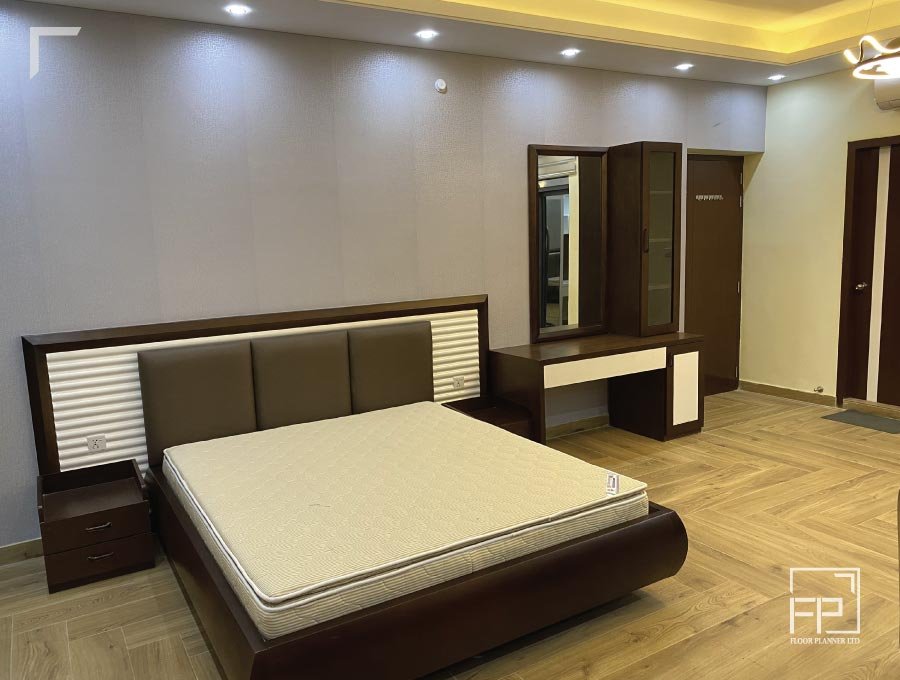
The Bed as a Storage Hub: The central piece of furniture must be utilitarian.
Choose a hydraulic lift-up bed or a bed with deep drawers built into the frame. This utilizes the massive, often-wasted area beneath the mattress for storing seasonal items or extra linen.
Wall-Mounted Solutions: Ditch bulky traditional furniture.
Floating Bedside Tables: These free up the floor underneath, making the room easier to clean and visually lighter.
Wall-Mounted Vanity/Desk: A fold-down or compact, wall-mounted desk serves as a workstation without permanently consuming floor space.
Flooring, Walls, and Ceiling: The Foundation of Ambiance
Flooring for the Climate: Given the humidity and the frequency of dust, polished large-format ceramic or porcelain tiles are highly durable, easy to maintain, and offer a cool surface underfoot. If you desire the warmth of wood, use laminate or engineered wood flooring which is more resilient to Dhaka’s moisture than solid wood planks.
The False Ceiling Advantage: A false ceiling (made of gypsum board) is not just decorative; it is functional.
Hiding Wires: It conceals all the air conditioning, electrical wiring, and any structural imperfections.
Integrated Lighting: It allows for the installation of recessed LED lighting and cove lights, which are essential for creating layered, atmospheric lighting without cluttering the ceiling.
Color Psychology: Choose high-quality, washable paint. Opt for light, tranquil colors (soft white, pale blue, sage green) to enhance the feeling of space. Limit dark, accent colors to a single wall (e.g., the headboard wall) to create a focal point without overwhelming the room. Low-VOC (Volatile Organic Compound) paints are highly recommended for improved indoor air quality and health.
Climate Control and Air Quality
Dhaka’s pollution and humidity necessitate deliberate planning for comfort.
Optimal Air Conditioning Placement: Ensure the AC unit is placed strategically to cool the sleeping area most efficiently, ideally above the main door or opposite the bed. Modern inverter ACs are a worthwhile investment for energy savings.
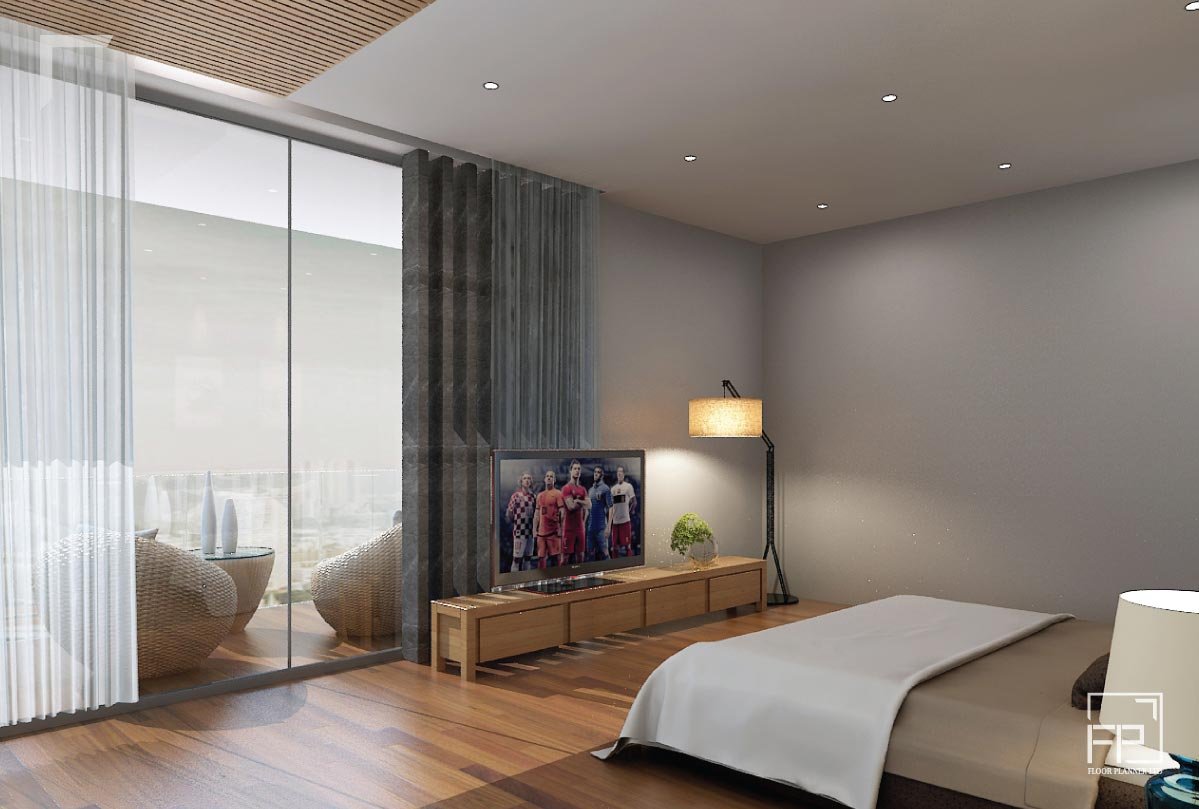
Natural Ventilation: Maximise natural cross-ventilation. If possible, replace old, small windows with larger, modern casement or sliding windows. Use sheer curtains (like muslin or thin cotton) during the day to filter light while maintaining air flow.
Indoor Plants: Integrate air-purifying plants such as Snake Plant (Sansevieria), Money Plant (Pothos), or Bamboo Palm. These are low-maintenance and naturally enhance indoor air quality—a critical factor in a polluted city.
The Sensory Layering & Finishing Touches
This is where the room transcends mere construction and becomes a personal sanctuary.
The Art of Layered Lighting
Lighting dictates the mood of your room. Avoid a single, harsh overhead light. Use the three-point lighting system:
Ambient Lighting (The Base): Achieved through recessed LED panels or the soft glow from the cove lighting (hidden LED strips in the false ceiling). This provides overall illumination.
Task Lighting (Functional): Essential for reading and working. Use elegant pendant lights hanging low over the bedside tables or sleek wall-mounted reading sconces that can be adjusted.
Accent Lighting (Mood Setter): Highlights specific features. Use spotlights to illuminate a piece of artwork, a textured wall, or plants. LED strip lighting inside the wardrobe adds both functionality and a luxurious touch when the doors open.
Control: Install dimmer switches to allow you to easily shift the room’s mood from bright and functional to dim and relaxing.
Textiles and Upholstery: The Touch of Luxury
Textiles add warmth, color, and acoustic dampening, a benefit in noisy Dhaka.
Curtains and Drapes: You need a dual system: a thin, semi-sheer inner curtain for daylight privacy and a heavy blackout curtain or blind for deep sleep and heat insulation. Fabrics like linen, cotton, or a mid-weight synthetic blend (easy to wash) are practical.
Rugs: A rug should ground the bed and cover a significant portion of the floor space. Choose a soft, durable material like wool or a quality synthetic blend. In Bangladesh’s climate, opt for an area rug that can be easily removed for cleaning, rather than wall-to-wall carpeting.
Bedding: Invest in high-thread-count cotton or bamboo sheets, which are breathable and essential for comfortable sleep in the heat.
Incorporating Local Craftsmanship & Sustainability
Making conscious choices benefits both your home and the environment.
Rattan and Bamboo: Incorporate lightweight, locally sourced materials like rattan for accent chairs, lampshades, or decorative storage baskets. They bring an airy, natural feel that works perfectly in the tropical climate.
Recycled/Reclaimed Wood: Seek out vendors specialising in refurbishing old wood for furniture. This is an eco-friendly choice that also gives your space a unique, weathered character.
Support Local Artisans: Commission an artist in Dhaka to create a unique piece of artwork or a Nakshi Kantha tapestry for your accent wall. This personal touch elevates the room and celebrates local culture.
Project Management & Final Checklist
Renovations are notorious for delays. Diligent management is key to a timely and stress-free completion.
Selecting the Right Contractor or Interior Design Firm
In Dhaka, it is strongly recommended to hire a reputable firm that offers turnkey solutions (design, sourcing, and execution).
Vetting: Ask for a portfolio of residential bedroom projects in your area (Dhanmondi, Mirpur, Uttara, etc.). A good firm will understand the logistics of working in a busy Dhaka apartment complex.
Contract: Insist on a detailed, legally binding contract that specifies:
Scope of Work (SoW): Every item, from false ceiling dimensions to the type of drawer slides.
Payment Schedule: Usually structured based on milestones (e.g., 20% advance, 30% after civil work, 30% after carpentry installation, 20% on final handover).
Timeline: A realistic renovation for a single bedroom is often 3-5 weeks. Add penalty clauses for unreasonable delays, if possible.
Warranties: Ensure the firm offers a warranty on custom cabinetry and workmanship (typically 1-2 years).
The Final Handover Checklist
Before final payment, inspect the following:
Electricals: All new sockets, switches, and dimmers are working correctly. Verify the light fittings are secure and flicker-free.
Woodwork: All drawers and wardrobe doors open and close smoothly. Check for any visible gaps, uneven joins, or damage to laminates/veneers.
Paint: The finish is uniform, with no patchy areas or paint drips on the floor or windows.
Flooring: New tiles/laminates are level and grout lines are clean and uniform.
Cleanliness: Insist on a thorough deep-cleaning by the contractor to remove all construction debris and dust.
A bedroom renovation in Dhaka is an exciting journey and a necessary investment in your personal peace. By focusing on smart space planning, climate-appropriate materials, and diligent project management, your dream of a restful, beautiful, and efficient Dhaka sanctuary will be successfully realised.
Bedroom Renovation FAQs
How do I start planning a bedroom renovation?
Begin by deciding your goal (better sleep, more storage, new style), measuring the room, setting a budget, and listing what stays and what changes.
What should I renovate first in my bedroom?
Start with the layout and major elements: bed position, wardrobe, electrical points, and lighting. Decor and accessories come last.
How much does a basic bedroom renovation cost?
It depends on location and materials, but a basic makeover with paint, lighting, and textiles can often be done on a small, fixed budget if you reuse existing furniture.
Can I renovate my bedroom if I’m renting?
Yes—focus on non-permanent changes like paint (with permission), curtains, rugs, lighting, peel-and-stick wallpaper, and movable furniture.
How long does a bedroom renovation usually take?
A light refresh can take 2–5 days, while a full renovation with carpentry, flooring, and electrical work may take 1–3 weeks.
Do I need an interior designer for a bedroom renovation?
Not always. For simple updates, you can DIY with a good plan. For custom wardrobes, complex lighting, or structural changes, a designer or contractor helps avoid costly mistakes.
Which is more important: furniture or wall color?
Both matter, but furniture and layout impact comfort and function more. Choose them first, then pick wall colors that complement them.
How can I make a small bedroom feel bigger?
Use light colors, slim furniture, mirrors, vertical storage, and avoid heavy, bulky pieces that eat up floor space.
What type of lighting is best for a bedroom?
Warm, layered lighting: one soft ceiling light, bedside/task lights for reading, and optional accent lighting like lamps or LED strips.
How do I keep my renovated bedroom clutter-free?
Add enough storage (under-bed, wardrobe, shelves), declutter regularly, and make sure every item has a “home” so surfaces stay clear.