Banani, a vibrant neighbourhood in the heart of Dhaka, blends upscale residences with bustling commercial zones, trendy restaurants and lively nightlife. It attracts young professionals, entrepreneurs and modern families who value convenience, style and community. Interiors here must balance aesthetics with functionality, reflecting both cosmopolitan tastes and the constraints of urban living. This guide covers costs, design trends and practical advice for creating attractive and efficient interiors in Banani.
Understanding Banani’s Urban Vibe
Banani differs from Gulshan in scale and atmosphere. It boasts a mix of mid‑rise apartments, compact offices and boutique stores. Space is at a premium, especially for apartment owners. High property prices mean many residents choose smaller flats or studios, so interior design decisions revolve around maximising space, allowing natural light and creating flexible areas that can adapt to different functions.
Lifestyle considerations
Residents often work long hours and entertain friends at home. They seek interiors that are easy to maintain yet stylish enough to impress guests. Many homes double as home offices, so soundproofing and ergonomic furnishings are important. Proximity to cafes and eateries also inspires contemporary design sensibilities.
Cost & Budget Considerations
As elsewhere in Dhaka, interior design costs in Banani depend on size, style and materials. Basic design packages start at 800–1 500 BDT per square foot. Standard packages fall between 1 700–3 300 BDT per square foot, offering better materials and custom features, while premium packages begin around 3 500 BDT per square foot and can surpass 4 500 BDT per square foot. Total budgets typically range from 50 000–500 000 BDT for modest renovations to more than 700 000 BDT for luxurious redesigns.
For common apartment sizes in Banani:
| Apartment Size & Type | Basic Package | Standard Package | Premium Package |
|---|---|---|---|
| Studio or one‑bedroom (400–800 sq ft) | 5–10 lakh BDT | 8–14 lakh BDT | 12–18 lakh BDT |
| Two‑bedroom (800–1 200 sq ft) | 8–13 lakh BDT | 12–17 lakh BDT | 16–22 lakh BDT |
| Three‑bedroom (1 200–1 500 sq ft) | 10–15 lakh BDT | 15–20 lakh BDT | 20–28 lakh BDT |
Costs fluctuate depending on whether clients opt for locally sourced materials (bamboo, jute, brick) or imported finishes (marble, Italian tiles). Additional features like smart‑home technology, custom carpentry and designer furnishings also increase budgets.
Budget management
Set priorities – Decide which rooms require the most investment and allocate more funds there.
Mix high and low – Combine a few statement pieces (a designer sofa or stunning light fixture) with cost‑effective items (simple curtains or locally crafted tables).
Use local materials – Bamboo, jute and cane furniture are stylish and affordable.
DIY when possible – Tasks like painting walls or assembling flat‑pack furniture can save money if you have time and skills.
Design Styles & Trends Popular in Banani
Banani’s demographic is young, diverse and globally connected. As a result, the area embraces a range of styles:
Modern minimalism with playful accents
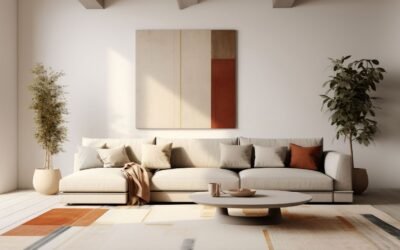
Clean lines, neutral bases and sleek finishes form the foundation of many Banani homes. Residents often introduce vibrant accents—colourful cushions, art prints or statement rugs—to personalise the space without cluttering it.
Industrial‑chic lofts
Repurposed warehouse aesthetics appeal to creative professionals. Exposed brick, concrete floors, metal pipes and vintage lighting give apartments a raw, edgy look. Soft furnishings and plants add warmth.
Contemporary elegance
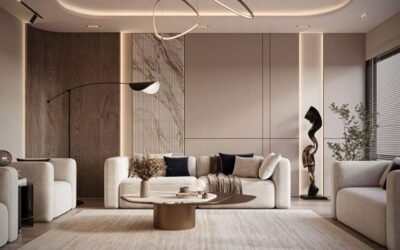
This style blends modern design with comfort. Neutral walls, plush seating and warm wood tones create an inviting environment. Large windows, reflective surfaces and carefully positioned lighting make rooms feel spacious and sophisticated.
Biophilic and green design
Nature plays an integral role. Houseplants, balcony gardens and green walls are increasingly common as residents crave a connection to nature. Sustainable materials like bamboo, recycled wood and jute further reinforce eco‑conscious living.
Fusion of local crafts and global trends
Designers often incorporate traditional Bangladeshi textiles—Nakshi Kantha quilts, Jamdani fabrics—and handcrafted pottery into modern settings. This fusion creates a home that feels both stylish and rooted in heritage.
Interior Design for Different Property Types in Banani
Banani’s real‑estate mix includes compact studios, family apartments, boutique offices and trendy cafes. Each requires tailored solutions.
Studios and small apartments
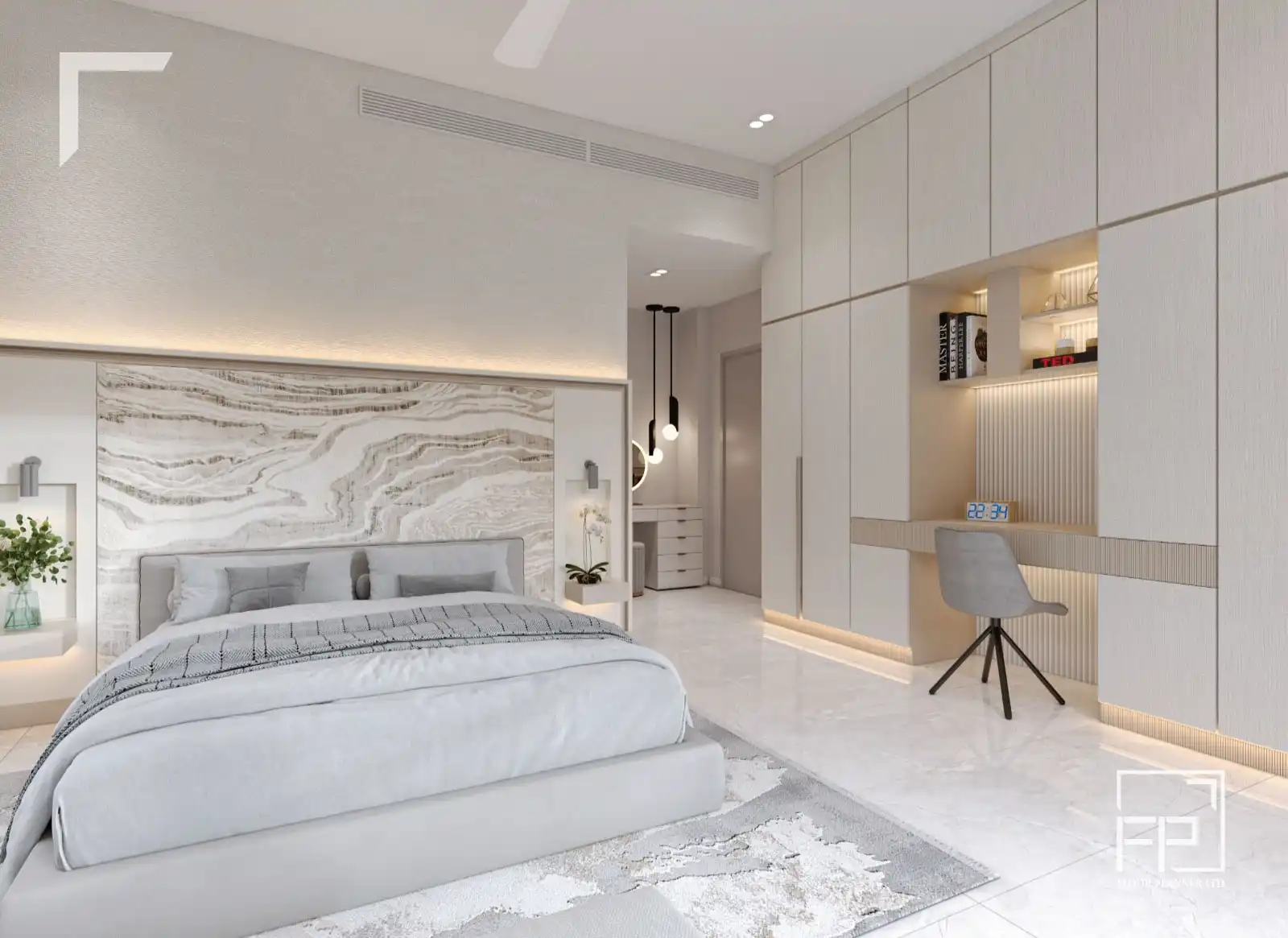
Efficient storage is essential. Use Murphy beds, wall‑mounted desks and fold‑out dining tables. Glass partitions or sliding doors separate zones without blocking light. Mirrors expand visuals, while light colours and vertical shelving make the space feel larger.
Family apartments
Families need multifunctional spaces for living, dining and study. Built‑in cabinetry maximises storage, while open‑plan kitchens encourage interaction. Durable materials—scratch‑resistant flooring, washable paints and child‑friendly fabrics—ensure longevity. Layered lighting helps create different ambiences for various activities.
Boutique offices
Many Banani residents work remotely or run startups. Home offices should be ergonomic and inspiring. Choose adjustable chairs, good task lighting and adequate storage. Add acoustic panels or rugs to dampen noise and hang artwork or motivational quotes for visual interest.
Cafés and boutique spaces
Commercial interiors prioritise branding. Designers use Instagram‑worthy colour schemes, distinctive lighting fixtures and comfortable seating to attract customers. Integrated technology—such as charging outlets and Wi‑Fi routers—enhances the customer experience.
Space Optimisation & Smart Solutions
Regardless of property type, efficient space use is crucial in Banani. Try these tactics:
Multifunctional furniture – Sofa beds, nested tables and storage benches.
Vertical storage – Wall‑mounted cabinets and floating shelves.
Sliding doors and partitions – Use sliding panels or glass partitions instead of swing doors to save space and enhance light flow.
Built‑in seating – Window seats and bench seating along walls provide extra storage underneath.
Hidden technology – Conceal cables, routers and appliances within cabinets to maintain a clean aesthetic.
Budget vs Premium Interiors in Banani: Key Differences
| Aspect | Budget Interiors | Premium Interiors |
|---|---|---|
| Design process | Basic floor plans; limited customisation | Full consultation, 3D modelling and bespoke planning |
| Materials | Laminate finishes, engineered wood, local tiles | Imported stone, designer tiles, solid wood finishes |
| Furniture | Ready‑made and modular pieces | Custom‑made, high‑quality or imported furniture |
| Technology | Minimal integration; standard lighting | Smart lighting, security systems, built‑in sound or climate control |
| Décor | Limited artwork; inexpensive accessories | Unique artwork, handcrafted décor, premium lighting |
| Estimated cost | 800–1 500 BDT per sq ft | 3 500–4 500+ BDT per sq ft |
Homeowners should consider their lifestyle and long‑term goals when choosing between budget and premium options. Investing in quality elements like flooring and cabinetry can provide durability and increase property value, while opting for budget décor allows for future updates without significant cost.
Finding the Right Designer in Banani
Given the variety of property types and styles, selecting an interior designer is an important step.
Review portfolios – Look for designers whose past work aligns with your aesthetic and ask to see completed projects of similar size and type.
Check credentials and reviews – Verify experience, certifications and client testimonials.
Clarify budgets and payment plans – Transparent pricing fosters trust.
Communicate your vision – A good designer listens and translates your ideas into reality while advising on practicality and cost.
Request references – Speak with former clients to understand the designer’s work ethic, timeliness and ability to stay within budget.
Notable firms serving Banani include Interior Studio Ace, Rongin Interior, Optimal Interior & Consultancy Service, BD Interior and Dream Touch Architects Ltd..
Crafting Trendy & Functional Spaces in Banani
Interior design in Banani reflects the neighbourhood’s youthful, cosmopolitan character. Homes and offices here need to be stylish yet highly functional, accommodating busy lives and smaller footprints. By understanding local costs, exploring popular styles and incorporating space‑saving strategies, residents can create inviting spaces that match their personality and needs. Working with experienced designers and mixing local craft with global trends allows Banani homeowners to achieve interiors that are both fashionable and timeless.