I still remember the first time I walked into a truly minimalist home. The space was open, light-filled, and serene — almost as if the walls were breathing.
There were no piles of clutter, no unnecessary furniture, no loud patterns screaming for attention. Just calm. I instantly felt lighter. That moment changed how I viewed design forever.
Minimalist interior design isn’t about having empty rooms or sterile spaces; it’s about intentional living. Every piece, every color, every texture has a purpose. In a world where chaos often rules, minimalism offers a quiet rebellion, one rooted in clarity, calm, and timeless beauty.
If you’ve ever wanted to transform your home into a peaceful retreat without losing warmth or personality, you’re in the right place. Let’s dive deep into what minimalist style interior design truly means, and how you can make it work beautifully in your own space.
Why Minimalism Matters
Minimalism goes beyond décor; it’s a mindset. It’s about surrounding yourself only with what you need and love, creating room for what really matters.
Our homes are reflections of our minds. When our spaces are cluttered, our thoughts often feel the same. But when we strip things back to the essentials, suddenly, we can breathe again.
The minimalist movement gained massive momentum in modern design thanks to Scandinavian simplicity, Japanese Zen influence, and the global shift toward sustainability. But more than a trend, it’s become a lifestyle choice, one that values purpose, peace, and presence over possessions.
In design, minimalism invites us to focus on space, light, and proportion. It asks a powerful question: Does this item add value to my life?
If not, it’s simply in the way.
The Core Principles of Minimalist Design

At the heart of minimalist interior design are five guiding principles, all of which help create balance, beauty, and harmony in your space.
1. Less Is More
The golden rule. Minimalism celebrates the beauty of simplicity. It’s not about deprivation, but intentionality. Instead of filling every corner, you leave breathing room, giving attention to what truly matters.
2. Form Follows Function
Every object in a minimalist space serves a purpose. You’ll notice clean lines, uncluttered shapes, and furniture that feels both useful and visually calm. Think of a simple oak dining table with hidden storage, practical yet elegant.
3. Neutral Color Palette
Minimalist interiors rely on timeless colors that promote peace: whites, beiges, soft greys, muted taupes, and warm woods. These tones create cohesion and help the eye relax.
4. Open Space & Light
Airiness is the soul of minimalism. Open layouts, large windows, and strategically placed mirrors allow light to flow freely. The result? A home that feels bigger, brighter, and more alive.
5. Quality Over Quantity
Minimalism isn’t about buying less, it’s about buying better. One beautifully crafted piece can elevate a space more than ten average ones ever could.
The Psychology Behind Minimalism

Ever noticed how you feel anxious in a messy room? That’s not your imagination. Studies show clutter increases stress and reduces focus. Minimalist spaces, on the other hand, calm the nervous system and promote clarity.
When you live minimally, you eliminate visual noise. The result is a home that allows your mind to rest, a space that supports your well-being, not distracts from it.
There’s also an emotional shift that happens. You begin to attach value to experiences, not things. You feel lighter, more mindful, and surprisingly, more creative. The energy you once spent managing “stuff” is freed up for what truly inspires you.
That’s why minimalist design isn’t cold, it’s deeply human. It helps us reconnect with what matters most.
Key Elements of a Minimalist Interior
Let’s get practical. Here’s how to bring minimalist design into every detail of your home.
1. The Color Palette
Minimalist interiors thrive on harmony. Stick to two or three base tones, white, beige, or grey, then add subtle warmth through wood, linen, or muted accents. A single accent color (like olive green, charcoal, or soft blush) can add depth without overpowering the calm.
Pro Tip: Don’t be afraid of texture. A mix of matte and glossy finishes, soft fabrics, and natural materials can keep a neutral palette from feeling flat.
2. Furniture
Simplicity is key. Choose furniture with clean lines, low profiles, and functional designs. Avoid overly ornate or bulky pieces. The idea is to let negative space, the space around objects, do some of the talking.
Think:
A sleek, low-slung sofa in neutral linen.
A round wooden coffee table with soft edges.
Floating shelves that create visual lightness.
Pro Tip: Multipurpose furniture is your best friend. Ottomans with storage, extendable dining tables, and minimalist desks help maximize both style and function.
3. Materials & Textures
To prevent minimalism from feeling “cold,” layer textures thoughtfully. Natural materials bring warmth and authenticity — wood, stone, cotton, jute, wool, and rattan work beautifully together.
Example: pair a smooth marble countertop with soft linen curtains, or balance a crisp white wall with a cozy wool rug. These combinations add dimension while keeping the design calm and unified.
4. Lighting
Lighting is what brings minimalist interiors to life. Start with natural light, keep windows unobstructed, use sheer curtains, and reflect sunlight with mirrors or light walls.
For artificial lighting, choose soft, warm tones. Recessed lights, pendant lamps, or slender floor lamps with clean silhouettes complement minimalist aesthetics perfectly.
Pro Tip: Avoid flashy chandeliers or overly decorative fixtures. Let the light itself, not the object, take center stage.
5. Décor & Accessories
Minimalist décor should tell a story, yours. That could mean a single piece of artwork that resonates with you or a few books arranged intentionally.
Live plants are also a minimalist’s best accessory. They bring color, life, and organic contrast to an otherwise structured space.
Rule of Thumb: If something doesn’t serve a purpose or spark joy, it doesn’t belong.
Choose one statement item instead of several smaller distractions.
Minimalist Design Room by Room
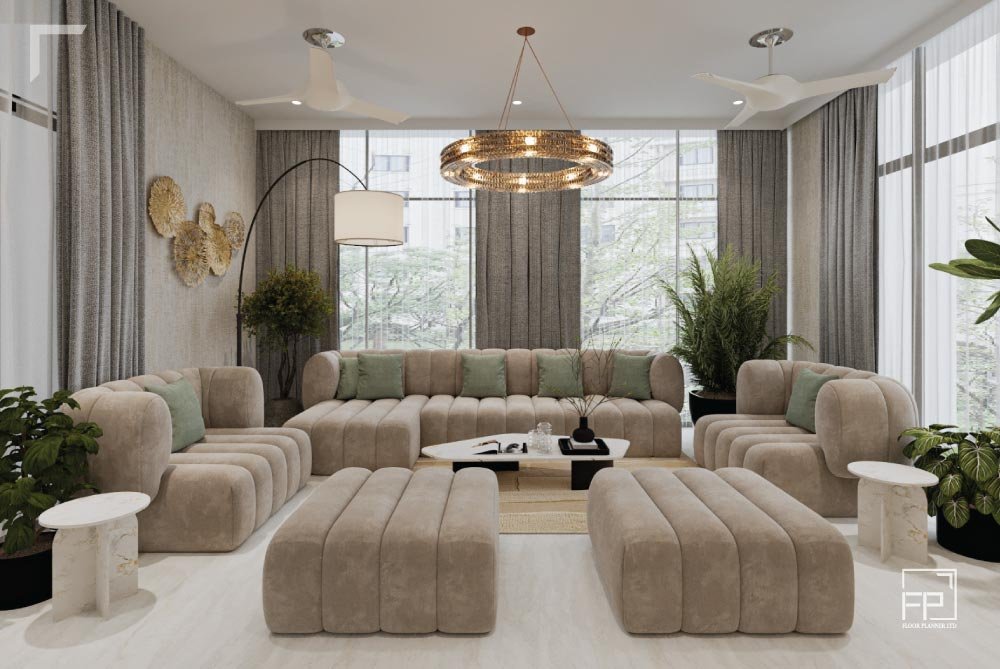
Let’s explore how these principles apply throughout your home.
1. Living Room: Calm & Inviting
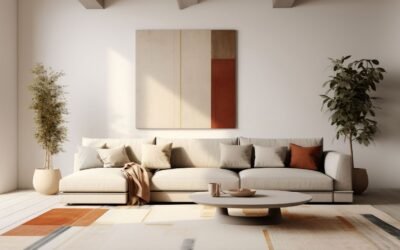
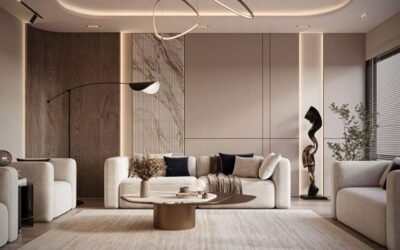
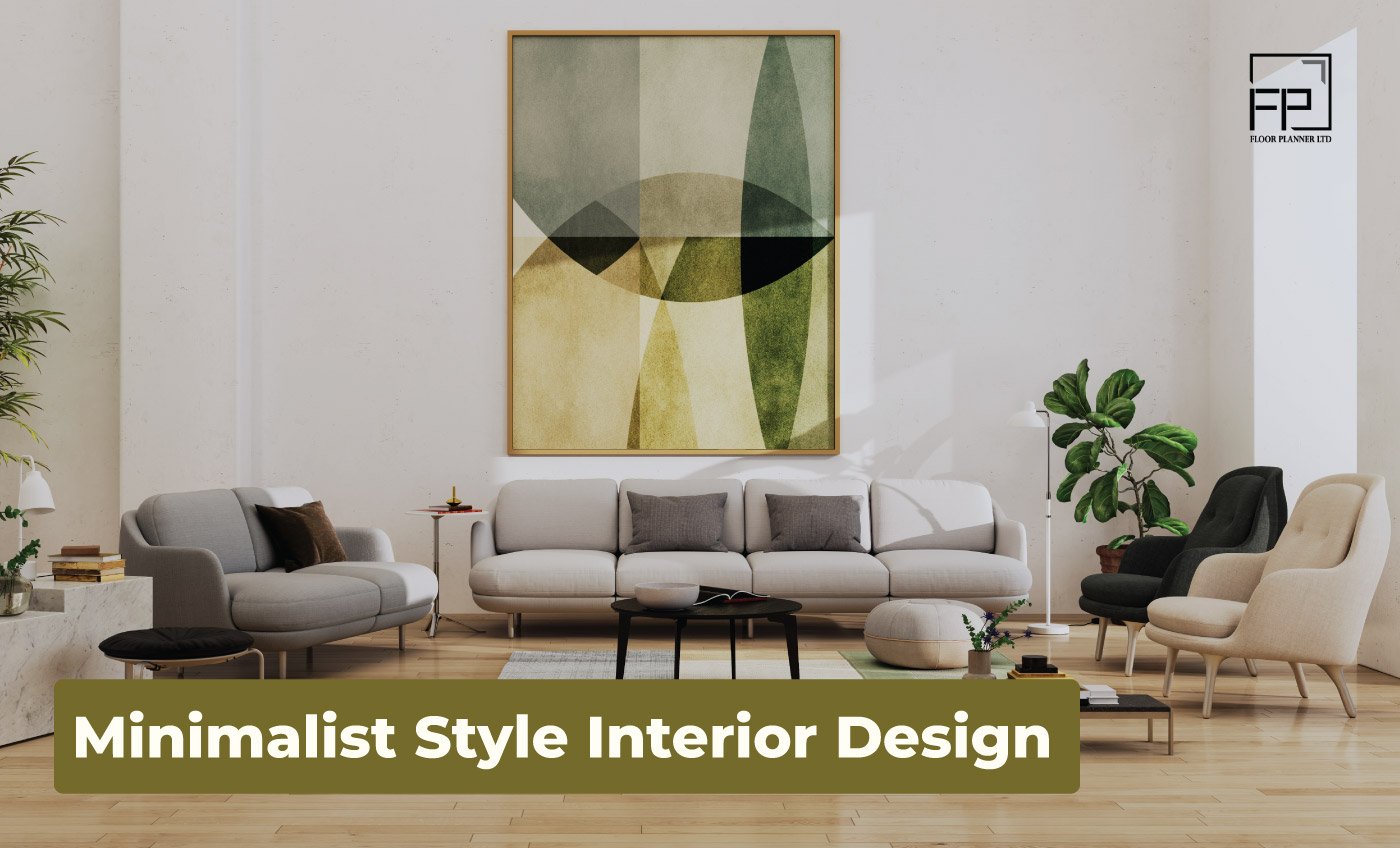
The living room is where minimalist design often shines. Keep furniture streamlined, a simple sofa, one or two chairs, and a low coffee table. Skip excess décor; instead, add one statement piece like a large abstract painting or a sculptural vase.
Use rugs to define the space subtly, and ensure plenty of natural light flows in. A few indoor plants can soften the geometry and bring balance.
2. Bedroom: A Peaceful Retreat
The bedroom should feel like a sanctuary. Stick to neutral bedding, uncluttered nightstands, and warm lighting. Limit decorative items to two or three meaningful pieces.
Use hidden storage under the bed or inside built-in wardrobes to maintain a clean look. Think quality sheets, soft throws, and quiet tones, a space that whispers rest.
3. Kitchen: Functional Simplicity
Minimalist kitchens are sleek, functional, and efficient. Use handle less cabinets, built-in appliances, and uncluttered counters.
Opt for a consistent color scheme, perhaps white cabinets with light oak or matte black hardware. Add open shelving for display, but keep it curated. A bowl of fresh fruit or a few ceramic dishes can add the perfect touch of warmth.
4. Bathroom: Clean & Serene
Minimalist bathrooms are all about crisp lines and natural materials. Use stone or wood accents to create spa-like calm. Store toiletries out of sight and keep surfaces bare except for essentials.
Wall-mounted sinks and floating vanities maintain a light, open feel. Add soft towels, a plant, and subtle lighting — that’s all you need for effortless elegance.
5. Home Office: Focus & Flow
In a minimalist office, distraction is the enemy. Keep only what helps you work. Use a streamlined desk, ergonomic chair, and concealed storage.
Stick to a light color palette with one accent color for energy, maybe sage green or terracotta. Good natural light is essential. The goal is a workspace that inspires clarity and creativity.
Common Mistakes to Avoid
Even though minimalist design looks simple, it’s easy to get wrong. Here are a few pitfalls to avoid:
Confusing Minimalism with Emptiness:
Minimalism isn’t about bare walls or sterile spaces. It’s about intentional design — every piece has meaning.Ignoring Comfort:
Simple doesn’t mean uncomfortable. Add soft fabrics, warm tones, and textures to make your home inviting.Too Many Colors or Materials:
Stick to a limited palette and repeat materials for consistency.Over-decorating “Minimally”:
A room full of “minimalist-style” décor items defeats the purpose. Edit ruthlessly.Lack of Personality:
Minimal doesn’t mean bland. Add your own touch through art, travel souvenirs, or meaningful textures.
Tips to Achieve a Minimalist Home
Ready to start simplifying? Here’s your game plan:
Declutter First: Go room by room and ask, “Do I use this? Do I love this?” If the answer’s no, it goes.
Invest in Timeless Pieces: Buy fewer items, but choose ones that last.
Hidden Storage: Look for furniture with built-in storage or use baskets and organizers that blend into your décor.
Light & Flow: Keep sightlines open — avoid blocking windows or pathways.
Edit Regularly: Minimalism isn’t a one-time project. Reassess every few months and let go of what no longer fits your lifestyle.
Pro Tip: Photograph your room from different angles. Seeing your space on camera helps reveal clutter or imbalance you might miss in person.
Minimalism and Sustainability
One of the most beautiful things about minimalist design is how naturally it aligns with sustainability. By consuming less and choosing quality, you reduce waste and environmental impact.
Buy once, buy well: Invest in sustainable materials like bamboo, reclaimed wood, or organic cotton.
Support ethical brands: Choose companies that prioritize craftsmanship and fair production.
Reuse and repurpose: Give new life to old pieces through restoration or creative styling.
Minimalism teaches us that living beautifully doesn’t mean living excessively. It means living thoughtfully.
Real-Life Inspiration
Let me share a quick story from a recent project. A couple I worked with wanted to turn their cluttered city apartment into a calm retreat. They were overwhelmed by furniture, wall art, and knick-knacks collected over the years.
We started by stripping everything back, keeping only what served a purpose or held emotional value. The transformation was remarkable. Suddenly, their home felt twice as big. Light poured in, surfaces gleamed, and the few chosen pieces, a walnut dining table, a linen sofa, a black-and-white photo wall, stood out beautifully.
They told me later it didn’t just change their home, it changed how they lived. They felt calmer, happier, more present. That’s the quiet power of minimalism.
Conclusion: Living the Minimalist Way
Minimalist interior design isn’t about perfection or following strict rules. It’s about creating a space that supports your best self — one that feels open, peaceful, and alive.
When you live with less, you make room for more of what matters: more light, more calm, more clarity, more joy.
So start small. Clear a shelf, repaint a wall, replace one busy piece with something simple and beautiful. Step by step, you’ll feel the shift not just in your home, but in your life.
Because in the end, minimalism isn’t just a style, it’s a way of living with intention, peace, and grace.