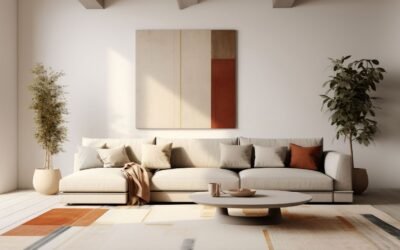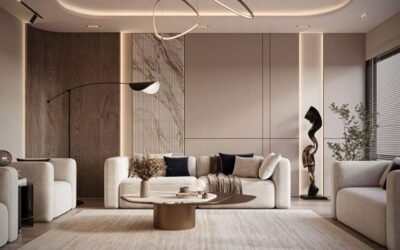
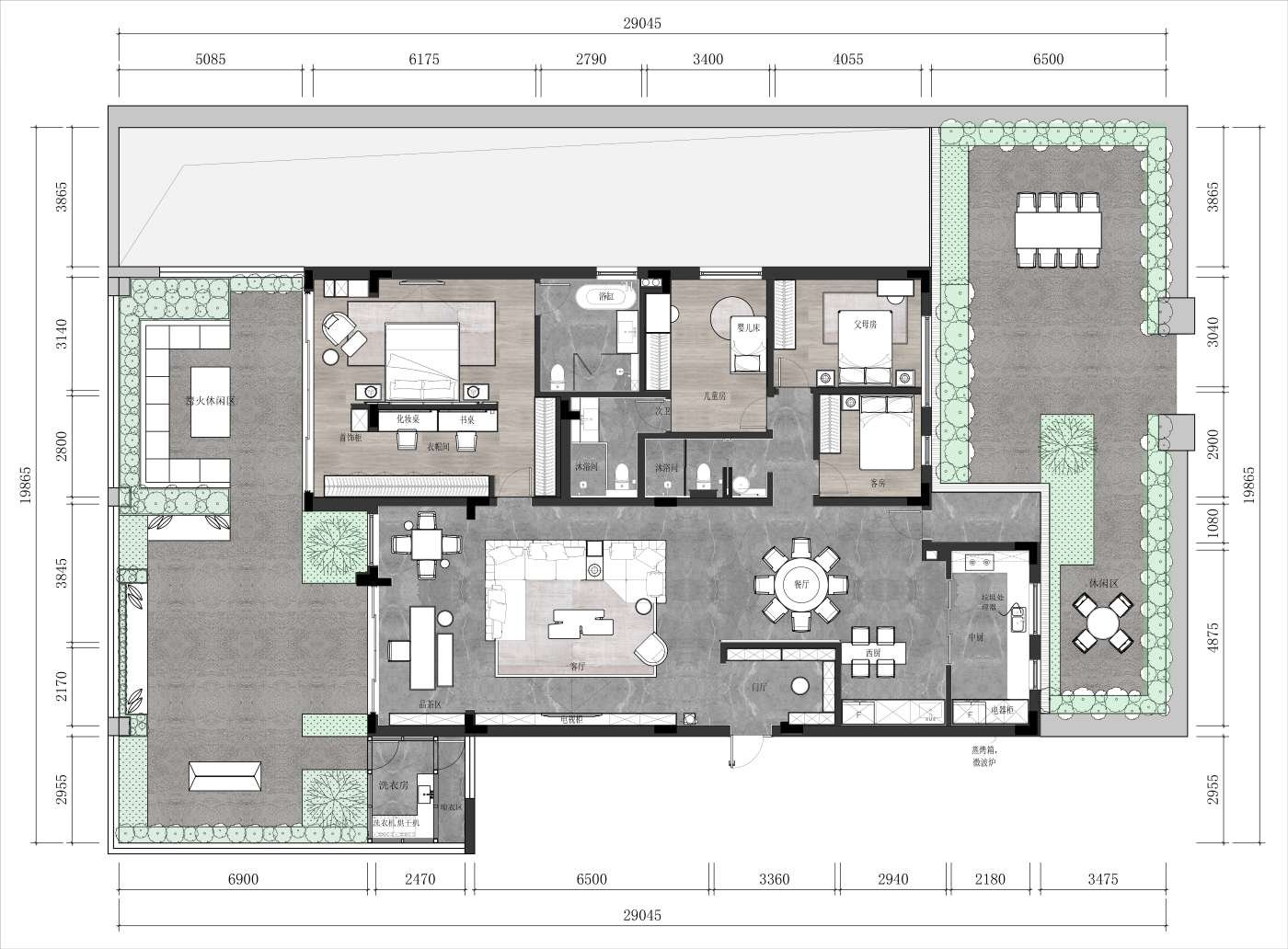
When people begin planning a new home, office, commercial space, or renovation project, interior design is often treated as something that comes later. Many assume that once the building is completed, the walls are painted, and the furniture is ready to be purchased, that is the right time to involve an interior designer. To some, interior design feels like an optional luxury—an aesthetic layer added after the “real” construction work is done.
This mindset is one of the most common and costly mistakes in the design and construction process.
Early interior design planning is not an extra cost. It is a strategic investment that saves money, prevents mistakes, improves functionality, enhances comfort, and increases the long-term value of a space. Whether the project is residential, commercial, hospitality, retail, or corporate, involving interior design from the beginning allows every decision to be made with clarity, purpose, and efficiency.
Interior design is not just about decoration. It is about how a space works, how people move through it, how materials perform, how lighting affects mood and productivity, how storage supports daily routines, and how every detail contributes to the overall experience. When interior planning begins early, the final result is not only more beautiful, it is smarter, more practical, and more cost-effective.
The Misconception: Interior Design Comes After Construction
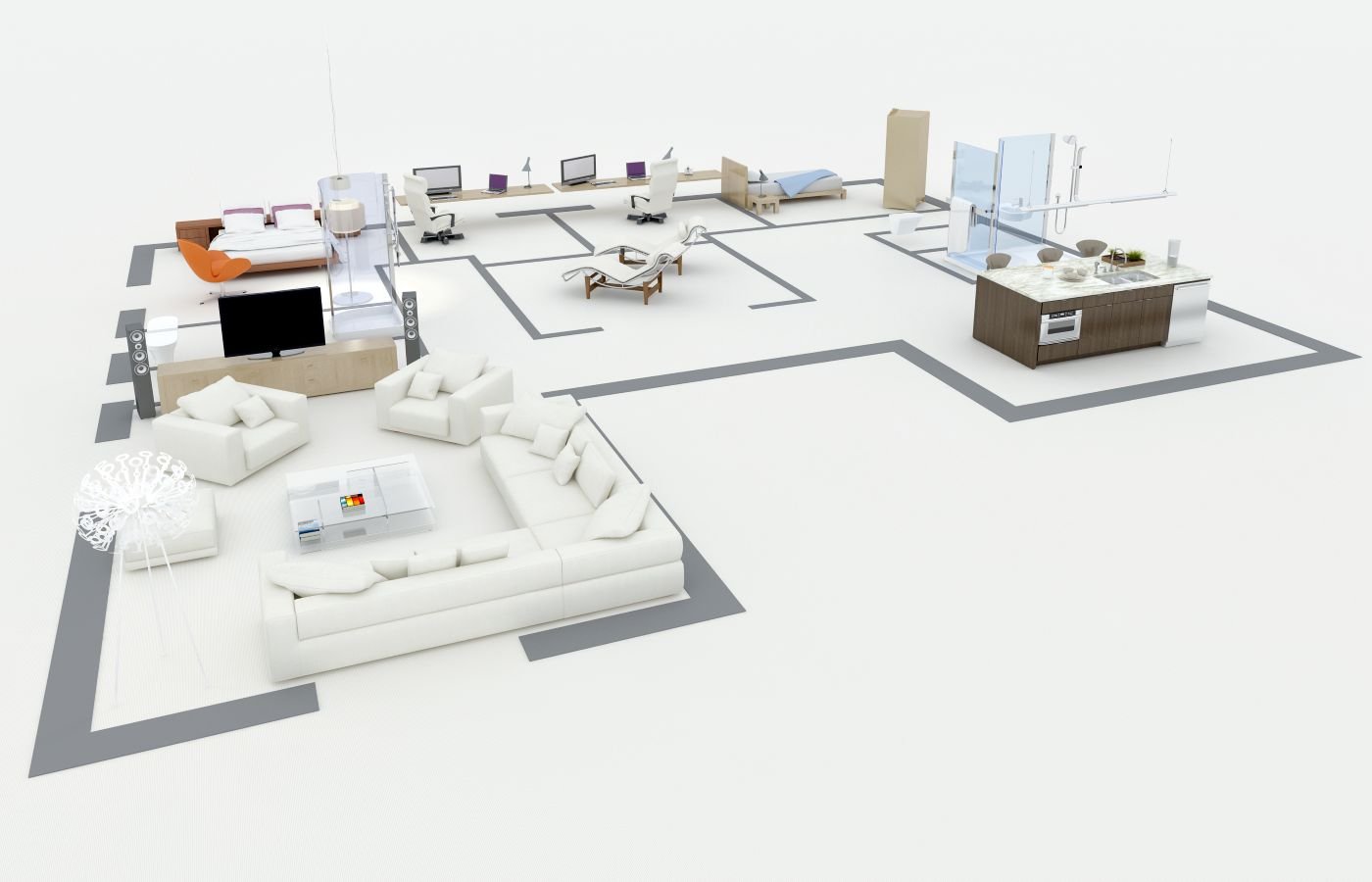
Many property owners believe that architects and contractors should complete the structure first, while interior designers can step in later to choose furniture, colors, curtains, lighting fixtures, and décor. This approach may seem logical at first, but it often creates problems that could have been avoided with early planning.
For example, a room may be built without enough electrical points for the intended furniture layout. A kitchen may be constructed before the workflow, appliance placement, and storage needs are properly studied. A bedroom may have windows, wardrobes, and doors placed in ways that make furniture arrangement difficult. An office may look spacious on paper but fail to support team movement, privacy, or productivity once occupied.
By the time these issues are discovered, changes become expensive. Walls may need to be modified, electrical lines relocated, plumbing adjusted, false ceilings redesigned, or built-in furniture reworked. These corrections cost far more than proper planning would have.
Interior design should not be viewed as the final decorative phase. It should be integrated into the earliest stages of planning, alongside architecture, engineering, and construction.
Why Early Interior Design Planning Matters

Every space has a purpose. A home must support lifestyle, comfort, privacy, storage, family routines, and personal taste. An office must support productivity, collaboration, brand identity, employee well-being, and operational efficiency. A retail store must influence customer behavior, product visibility, and sales. A restaurant or hotel must create memorable experiences while also functioning efficiently behind the scenes.
These outcomes do not happen by accident. They are the result of careful planning.
Early interior design planning allows the designer to understand the client’s goals, lifestyle, budget, preferences, and practical needs before major construction decisions are finalized. This means the space can be shaped around real usage rather than adjusted later to fit limitations.
When interior planning begins early, decisions about layout, lighting, materials, furniture, storage, electrical points, plumbing, ceiling design, wall treatments, and circulation can all work together. The result is a space where every element feels intentional.
It Saves Money by Preventing Costly Mistakes
One of the strongest reasons to invest in early interior design planning is cost control. Many people avoid hiring an interior designer early because they want to “save money.” Ironically, delaying professional input often leads to higher expenses.
Late design decisions can cause rework. Rework is one of the most expensive parts of any project. If walls need to be broken, wiring needs to be changed, tiles need to be replaced, or custom furniture needs to be redesigned, the cost quickly increases. These expenses are not just financial; they also delay the project and create stress.
Early planning helps avoid:
- Wrong placement of electrical outlets and switches
- Poor lighting arrangements
- Inefficient room layouts
- Inadequate storage
- Incorrect furniture dimensions
- Material mismatches
- Plumbing conflicts
- False ceiling redesigns
- Unplanned structural changes
- Budget overruns caused by last-minute decisions
A well-planned interior design process allows the client to understand costs before execution begins. This makes it easier to prioritize spending, compare options, and avoid impulsive purchases. Instead of reacting to problems during construction, the project moves forward with a clear roadmap.
In this way, early interior design planning acts like financial protection. It reduces uncertainty and helps ensure that money is spent wisely.
It Creates a Realistic and Controlled Budget
Budget is one of the biggest concerns in any interior or construction project. Without early planning, clients often underestimate the true cost of finishing a space. They may budget for construction but forget about lighting, furniture, appliances, curtains, décor, storage, hardware, smart systems, wall finishes, and other essential details.
This creates pressure later. The client may be forced to compromise on quality, delay completion, or spend more than expected.
Early interior design planning gives a clearer picture of the total project cost. It allows the designer to break down the budget into categories such as civil work, furniture, lighting, materials, finishes, décor, appliances, and installation. This helps the client make informed decisions from the start.
A good designer can also suggest where to invest and where to save. For example, it may be wise to spend more on durable flooring, ergonomic furniture, kitchen hardware, or proper lighting, while choosing more affordable decorative accessories that can be upgraded later.
This kind of budget strategy is only possible when planning starts early.
It Improves Space Functionality
A beautiful space that does not function well eventually becomes frustrating. Interior design is not only about visual appeal; it is about solving practical problems.
Early planning helps answer important questions:
How will people use this space every day?
Where will they sit, work, relax, cook, store, move, and gather?
What needs to be easily accessible?
Which areas need privacy?
Where should natural light be maximized?
How much storage is required?
What furniture size is appropriate?
How should lighting support different activities?
These questions affect the entire design. If they are considered early, the space can be planned for real-life use. If they are ignored, the finished space may look attractive but feel uncomfortable or inefficient.
In homes, early planning can improve kitchen workflow, bedroom storage, bathroom comfort, living room layout, and family circulation. In offices, it can improve workstation planning, meeting room placement, acoustic comfort, lighting, and collaboration areas. In commercial spaces, it can influence customer experience, product display, service flow, and brand perception.
Functionality is not something that can be added at the end. It must be built into the plan from the beginning.
It Aligns Architecture and Interior Design
Architecture and interior design are deeply connected. The position of walls, doors, windows, columns, staircases, ceiling heights, plumbing points, and electrical systems directly affects the interior outcome.
When interior design is planned late, the designer may have to work around fixed limitations. This can restrict creativity and reduce efficiency. But when the designer is involved early, architectural and interior decisions can support each other.
For example, if a designer knows where the bed will be placed, electrical points, reading lights, wardrobes, and TV units can be planned accordingly. If the kitchen layout is finalized early, plumbing, gas lines, appliance points, and storage can be coordinated properly. If an office layout is planned before construction, data points, lighting, partitions, and HVAC systems can be positioned more effectively.
Early coordination creates harmony between structure and interior. It reduces conflict between different teams and leads to a more polished final result.
It Helps Avoid Design Compromises
When interior design begins after construction, many decisions are already locked. The designer may have limited freedom to create the best possible solution. As a result, compromises become necessary.
A client may want a luxurious walk-in wardrobe, but the room dimensions do not support it. They may want a kitchen island, but the electrical and plumbing points are not planned for it. They may want a dramatic lighting design, but the ceiling height or wiring layout makes it difficult. They may want an open, elegant office, but the column positions and service lines interrupt the flow.
These compromises can be disappointing, especially when the client has already invested heavily in the property.
Early planning reduces such limitations. It allows the designer to shape the space before major decisions become permanent. This leads to better design possibilities and a more satisfying result.
It Saves Time and Reduces Project Delays
Time is money in any project. Delays can increase labor costs, extend rental expenses, disrupt business operations, and create unnecessary stress.
Interior design decisions made late often slow down construction. Contractors may need to wait for drawings, approvals, material selections, or revised instructions. If the client keeps changing decisions during execution, the timeline becomes unstable.
Early interior planning creates a smoother workflow. Drawings, material specifications, furniture layouts, lighting plans, and execution details can be prepared in advance. Contractors and vendors know what needs to be done. Materials can be ordered on time. Custom furniture can be manufactured according to schedule.
This reduces confusion and helps the project move forward efficiently.
For commercial projects, this is especially important. A delayed office, showroom, restaurant, or hotel can mean lost revenue. Early design planning helps businesses open sooner and operate with fewer disruptions.
It Supports Better Material Selection
Materials affect the appearance, durability, maintenance, and cost of a space. Choosing them at the last minute often leads to poor decisions. Clients may select materials based only on appearance without understanding performance, maintenance needs, or long-term suitability.
Early interior design planning allows enough time to evaluate materials properly. Designers can compare options based on budget, durability, climate, usage, safety, availability, and aesthetic goals.
For example, flooring for a high-traffic commercial space must be more durable than flooring for a private bedroom. Kitchen surfaces must resist stains, heat, and moisture. Bathroom materials must handle water exposure. Office furniture must support daily use and ergonomic comfort. Wall finishes in hospitality spaces must balance beauty with maintenance.
Early material planning also helps avoid availability issues. Some materials require longer lead times, especially imported finishes, custom furniture, lighting, or specialized hardware. If these are selected late, the project may face delays or forced substitutions.
Choosing materials early helps maintain design quality and project timelines.
It Enhances Lighting Design
Lighting is one of the most powerful elements in interior design. It affects mood, comfort, productivity, safety, and visual appeal. Yet lighting is often treated as an afterthought.
Poor lighting can make an expensive interior look dull. It can create shadows, glare, discomfort, and inefficient energy use. Once ceilings and electrical wiring are completed, improving lighting becomes difficult and costly.
Early planning allows lighting to be designed according to the function of each area. A living room may need layered lighting for relaxation, conversation, and entertainment. A kitchen needs strong task lighting. A bedroom needs soft, calming light. An office needs balanced lighting that supports focus and reduces eye strain. A retail store needs lighting that highlights products and encourages customer engagement.
Interior designers consider natural light, artificial light, fixture placement, color temperature, brightness, and mood. This creates a lighting plan that improves both beauty and usability.
It Increases Property Value
A well-designed interior can significantly increase the perceived and actual value of a property. Buyers, tenants, guests, customers, and employees all respond to spaces that feel thoughtful, functional, and visually appealing.
For residential properties, good interior planning can make a home more comfortable, attractive, and marketable. Efficient storage, quality finishes, modern layouts, and strong visual appeal can influence resale or rental value.
For commercial properties, interior design directly affects business performance. A well-designed office can improve employee satisfaction and productivity. A well-designed retail space can increase customer engagement. A well-designed restaurant or hotel can strengthen brand identity and customer loyalty.
Early planning ensures that value is built into the project from the beginning. Instead of spending money only on surface-level decoration, the investment supports long-term performance.
It Reflects Lifestyle and Brand Identity
Every space tells a story. For a home, that story is about the people who live there—their habits, values, routines, and personality. For a business, the story is about the brand—its professionalism, culture, promise, and customer experience.
Early interior design planning gives enough time to understand this story and translate it into space.
A family home may need warmth, flexibility, child-friendly materials, quiet zones, entertainment areas, and storage for daily life. A luxury apartment may focus on elegance, comfort, and refined finishes. A corporate office may need a professional and collaborative environment. A boutique store may need a strong visual identity that attracts the right customers.
These outcomes require more than choosing colors and furniture. They require strategic thinking. When design planning starts early, the space can be shaped to reflect the client’s identity in a meaningful and consistent way.
It Improves Communication Between Teams
Construction and interior projects involve many people: clients, architects, engineers, contractors, electricians, plumbers, carpenters, painters, furniture suppliers, lighting vendors, and project managers. Without clear coordination, misunderstandings are common.
Early interior design planning provides a clear reference for everyone involved. Layouts, drawings, mood boards, material schedules, and execution details help align the team. This reduces mistakes and improves accountability.
When all teams understand the design direction from the beginning, the project becomes more organized. Each decision supports the larger goal. This avoids the common problem of different teams making separate decisions that do not work well together.
Good design is not only about creativity. It is also about coordination.
It Allows Better Customization
Custom interiors require time and precision. Built-in wardrobes, kitchen cabinets, TV units, office workstations, reception counters, display shelves, wall panels, and storage systems must be planned according to exact measurements and usage requirements.
If customization is planned late, it may not fit properly with the structure. There may be conflicts with switches, windows, doors, air-conditioning units, or plumbing lines. These problems can affect both appearance and functionality.
Early planning allows custom furniture and built-in elements to be integrated smoothly into the space. Measurements, materials, hardware, finishes, and installation details can be coordinated before execution begins.
This results in cleaner design, better storage, and a more premium finish.
It Reduces Stress for the Client
A construction or renovation project can be overwhelming. There are hundreds of decisions to make, from layout and materials to lighting, colors, furniture, and budgets. When decisions are delayed until the last minute, stress increases.
Clients may feel rushed. They may make choices without enough information. They may experience conflict with contractors or vendors. They may become frustrated by unexpected costs and delays.
Early interior design planning reduces this pressure. It gives the client a clear vision, structured process, and professional guidance. Decisions are made step by step rather than under pressure. The client can see the direction of the project through drawings, concepts, samples, and budget plans.
This creates confidence and peace of mind.
Early Planning Is Especially Important for Commercial Spaces
For businesses, interior design is not just about appearance, it is directly connected to performance.
In an office, design affects employee productivity, communication, focus, comfort, and company culture. In a retail store, design affects customer movement, product visibility, buying behavior, and brand perception. In a restaurant, design affects seating capacity, service efficiency, ambiance, and customer experience. In a hotel, design affects guest comfort, reviews, and repeat business.
A poorly planned commercial interior can create operational problems that affect revenue. A restaurant kitchen that does not support efficient service, an office with poor acoustics, or a showroom with weak product display can hurt business outcomes.
Early interior design planning allows the business strategy to be built into the space. This makes the design not just attractive, but profitable.
Strategic Design Means Thinking Long-Term
A space should not only look good on opening day. It should continue to perform well over time.
Early interior design planning helps consider long-term needs such as maintenance, flexibility, durability, technology upgrades, energy efficiency, changing family needs, or business growth. For example, a young family may need a home that adapts as children grow. A company may need an office layout that can expand with new employees. A retail business may need flexible display systems for changing products.
Short-term design decisions may look appealing immediately but become inconvenient later. Strategic planning prevents this.
Good interior design balances present needs with future possibilities.
The Return on Investment Is More Than Financial
The value of early interior design planning is not limited to money. It improves quality of life, daily comfort, emotional well-being, productivity, and user experience.
A well-designed home can make daily routines easier and more enjoyable. A well-designed office can make employees feel more motivated and supported. A well-designed retail or hospitality space can create memorable experiences for customers.
These benefits may not always appear on a spreadsheet, but they matter deeply. People spend a significant part of their lives inside built environments. The quality of those environments affects how they feel, work, rest, interact, and perform.
That is why interior design should be seen as an investment in better living and better business.
Plan Early, Save More, Achieve Better
Early interior design planning is not an unnecessary expense. It is a strategic decision that protects the project, improves the outcome, and maximizes value.
By involving interior design from the beginning, clients can avoid costly mistakes, control budgets, improve functionality, save time, coordinate teams, select better materials, enhance lighting, and create spaces that truly support their lifestyle or business goals.
A well-designed space is never the result of random decisions made at the end of construction. It is the result of thoughtful planning from the start.
Interior design is not about spending more. It is about spending wisely.
The earlier the planning begins, the better the result will be.